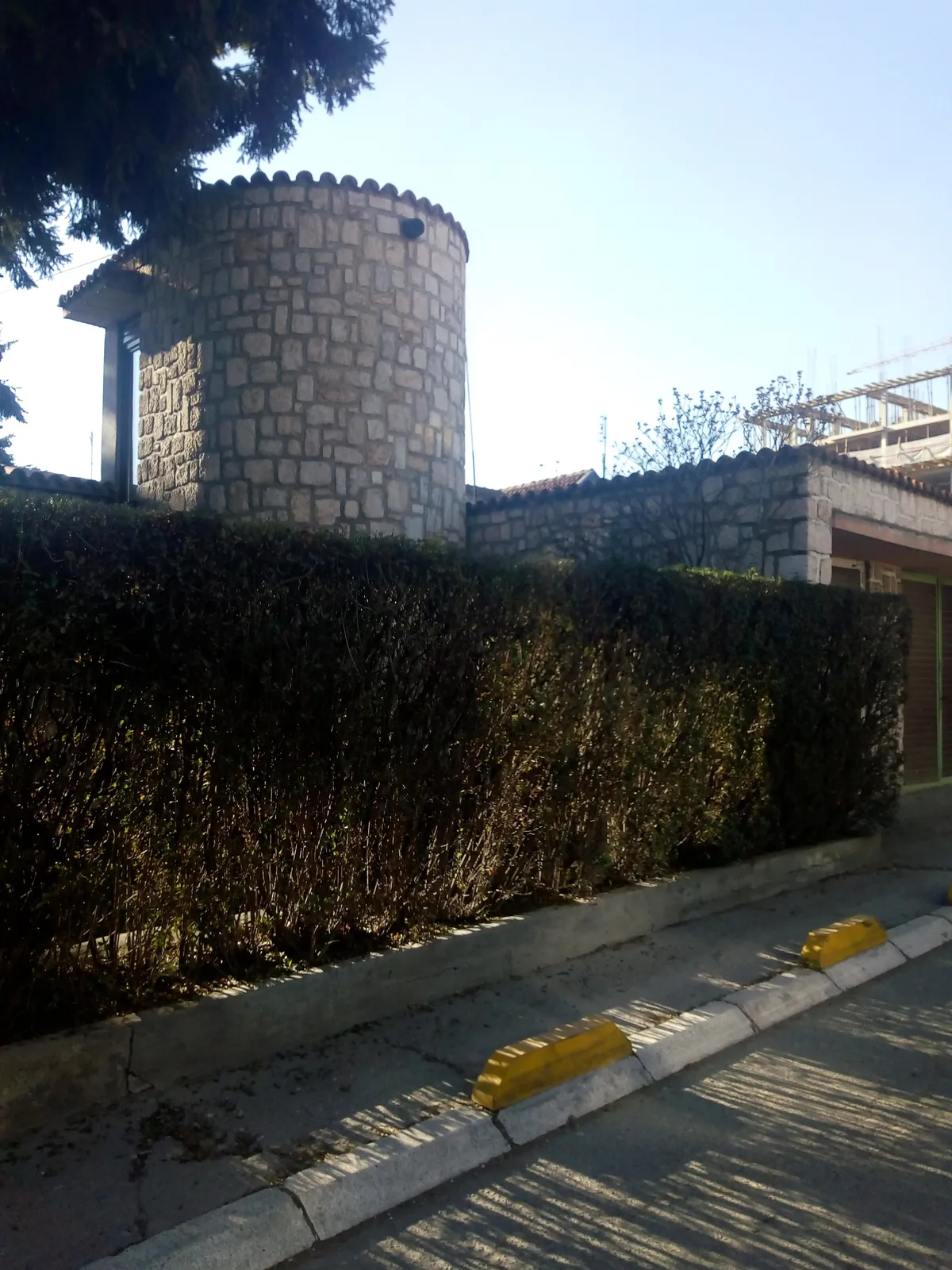
The Yugoslav City
The second half of the 20th century remade Novi Pazar: new industry, planned housing, cultural centres and monuments arrived with socialist Yugoslavia, adding a distinct modern layer to the ancient city.
Why it matters
That era still shapes daily life — in the textile trade, the civic buildings and the concrete architecture now valued as design. Reading the Yugoslav city alongside the Ottoman and medieval ones completes the picture of how Novi Pazar became what it is.
Essentials
- Pairs naturally with the brutalism walk
- We tell the social history, not just the buildings
- Great context for the contemporary city
- Ask about the industrial heritage