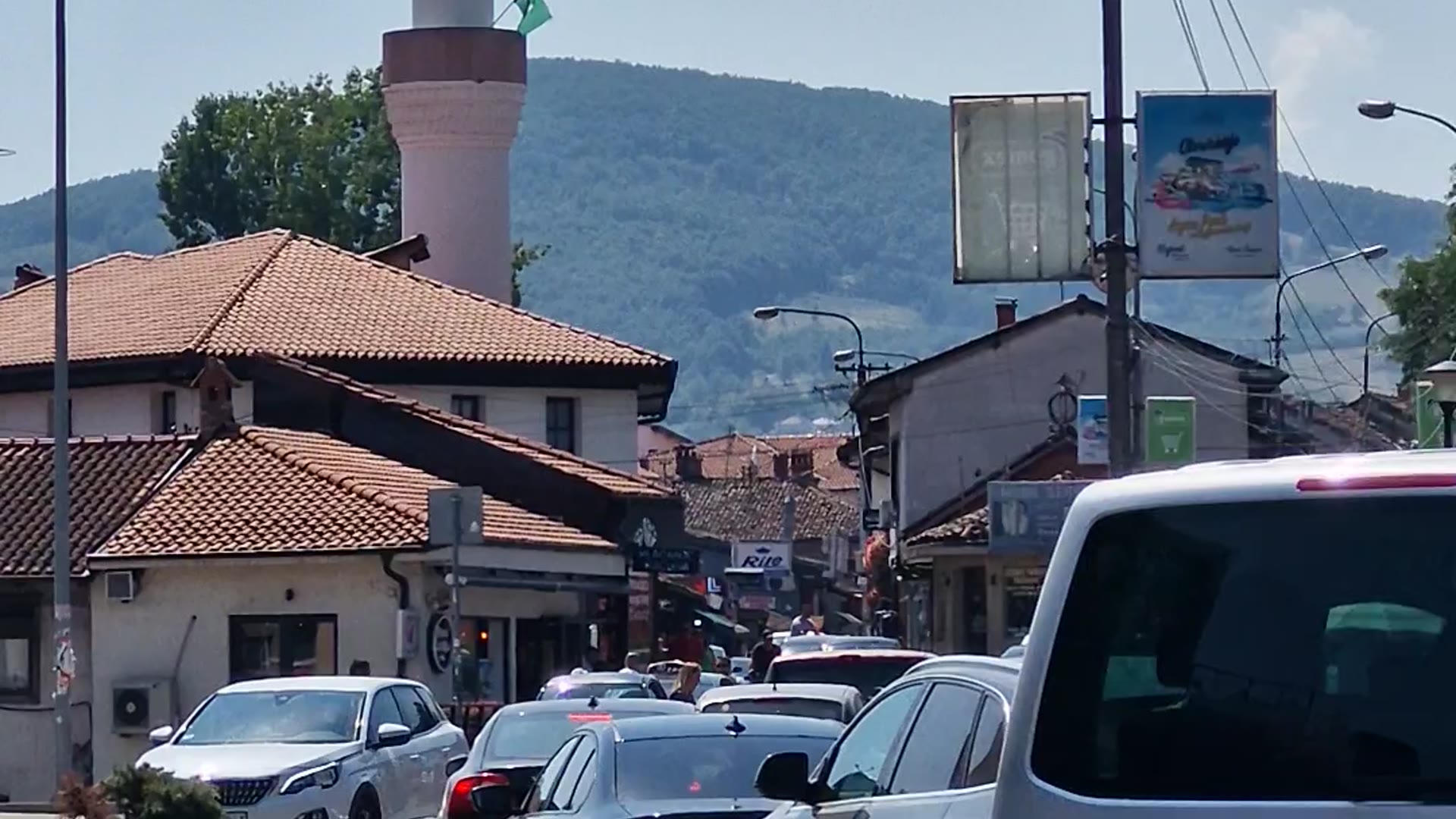
Fast-forward through the streets of Novi Pazar
Novi Pazar · Sandžak · Serbia

One City,
Ten Thousand Years

In the mountain heart of the Balkans stands a city where Rome, Byzantium, the medieval Serbian kingdom and the Ottoman world still share the same street. We tell it as one continuous story — scroll it like a film.
Scroll
Chapter I — The Land

The land was first

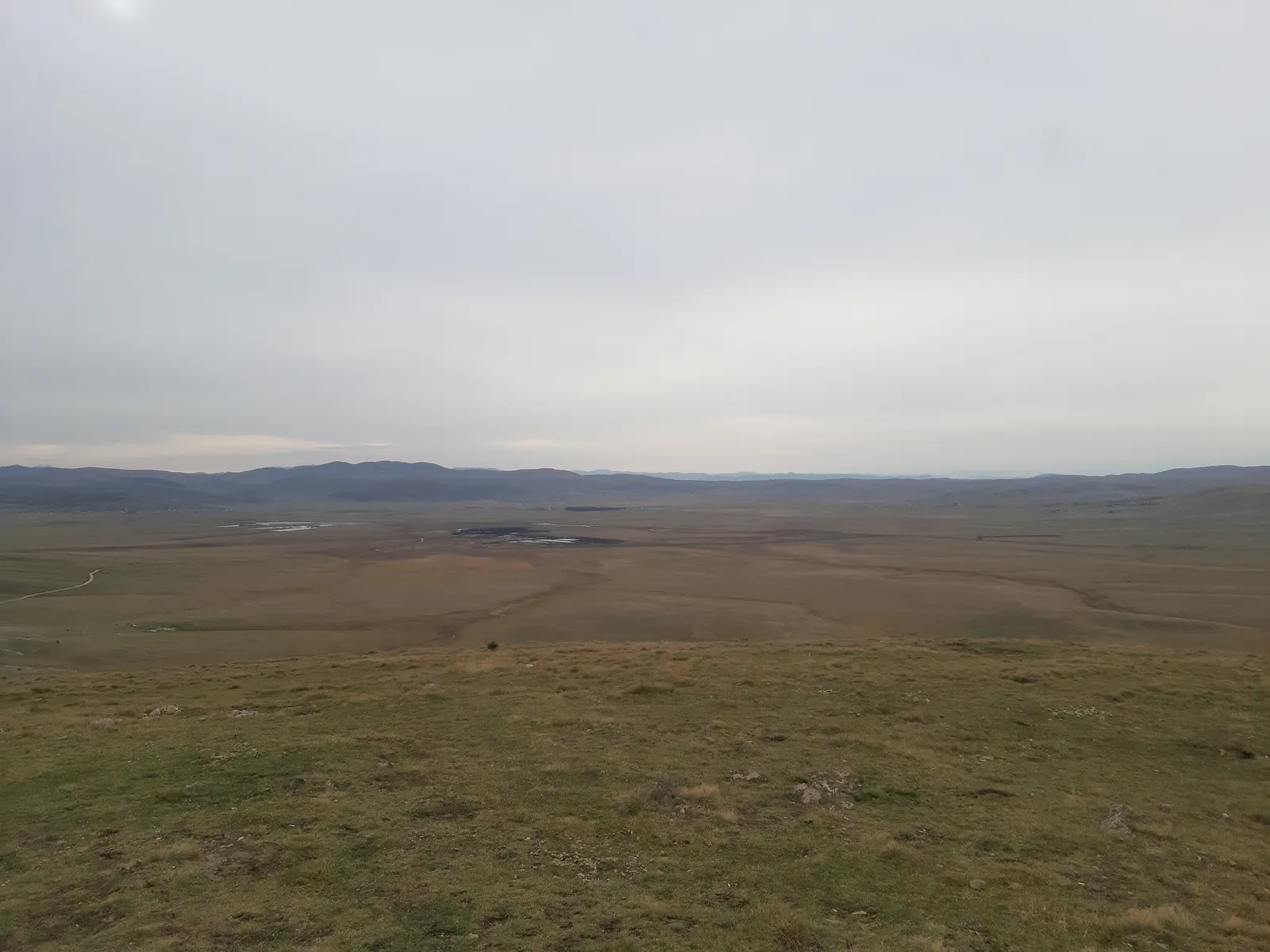
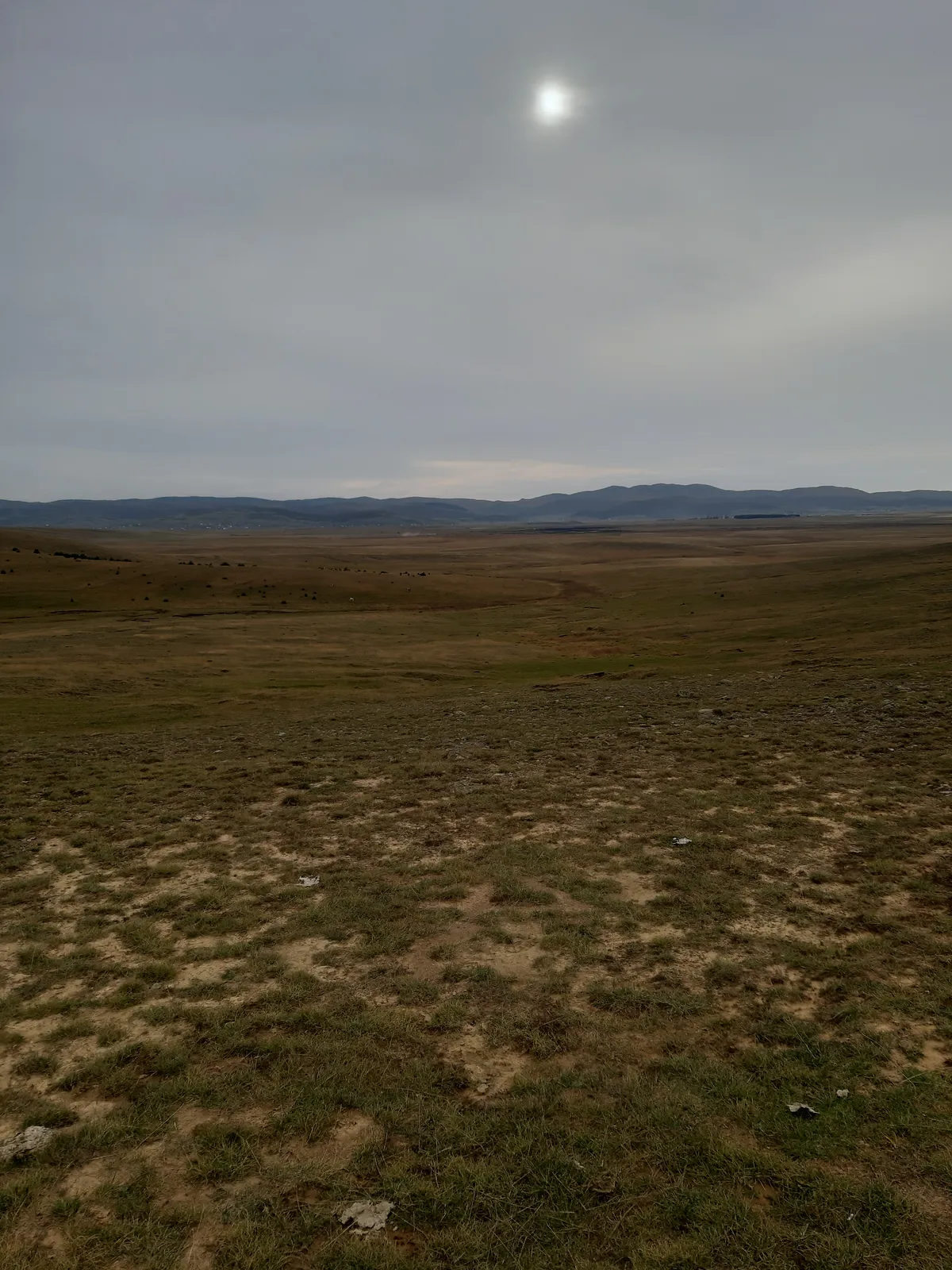
Before there was a city there was the ground that made one inevitable — the high Pešter plateau, and the cold springs where the Raška river is born.

Ringed by mountains between the Adriatic and the Aegean, this was always a place travellers had to pass through — and, again and again, chose not to leave.

The Pešter plateau above Novi Pazar, one uninterrupted sweep
The Pešter plateau 1,150 m above the sea · Europe's southernmost tundra
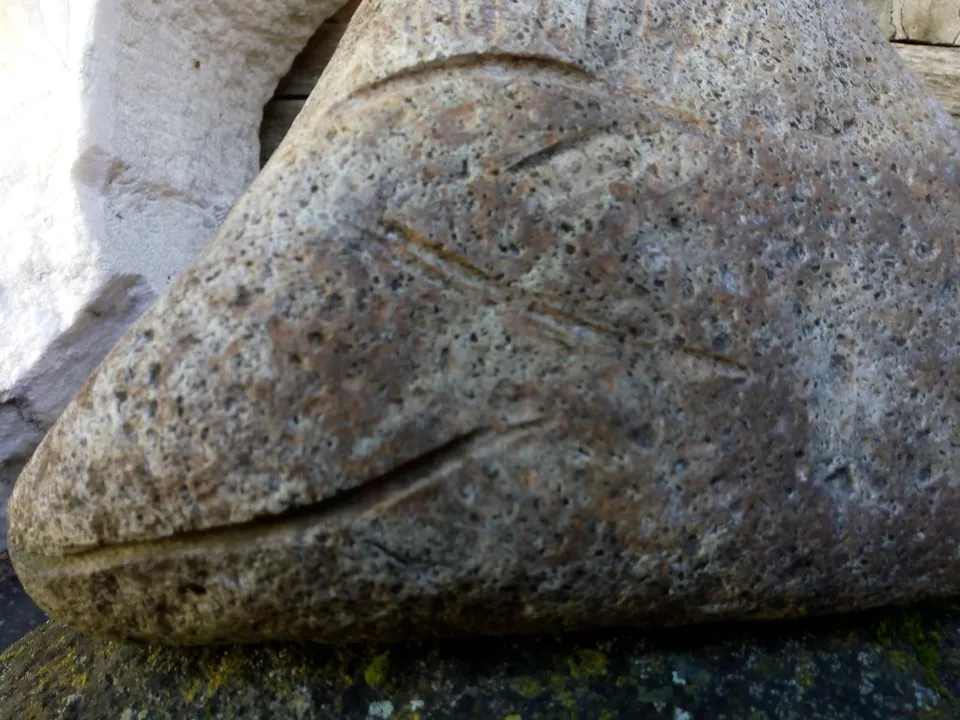
An Iron Age relief in weathered stoneIron Age stone
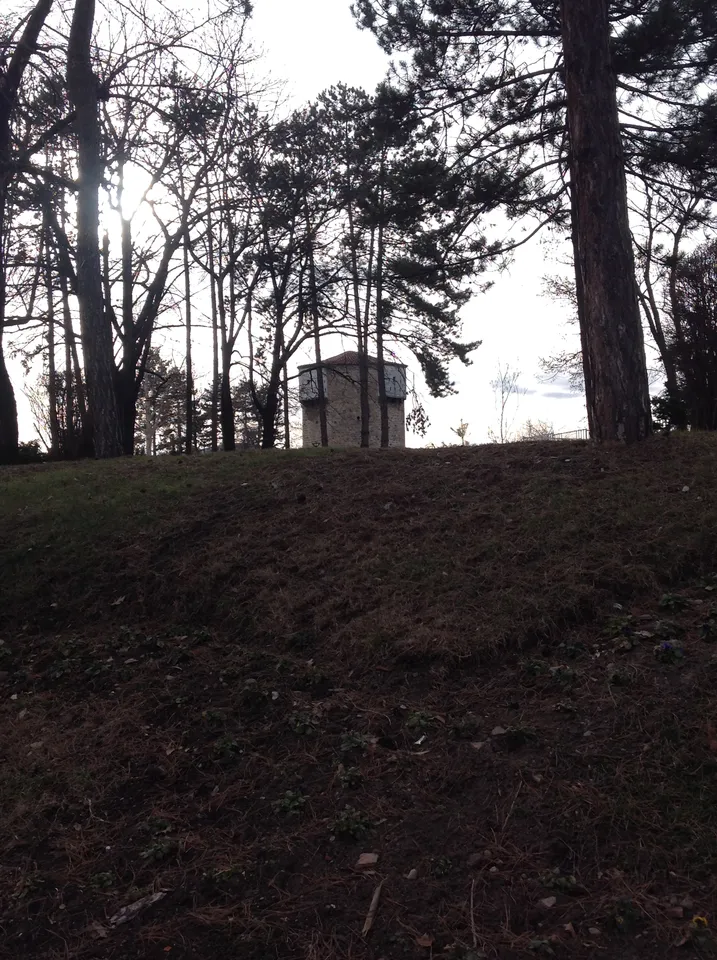
Ancient foundations of the city fortressAncient Foundations
Chapter II — First Traces

The first to arrive

People marked this land long before they wrote about it — with burial mounds, tools, and the princely graves of an Iron Age world that traded as far as the Aegean.

The fortress of Stari Ras above the gorge
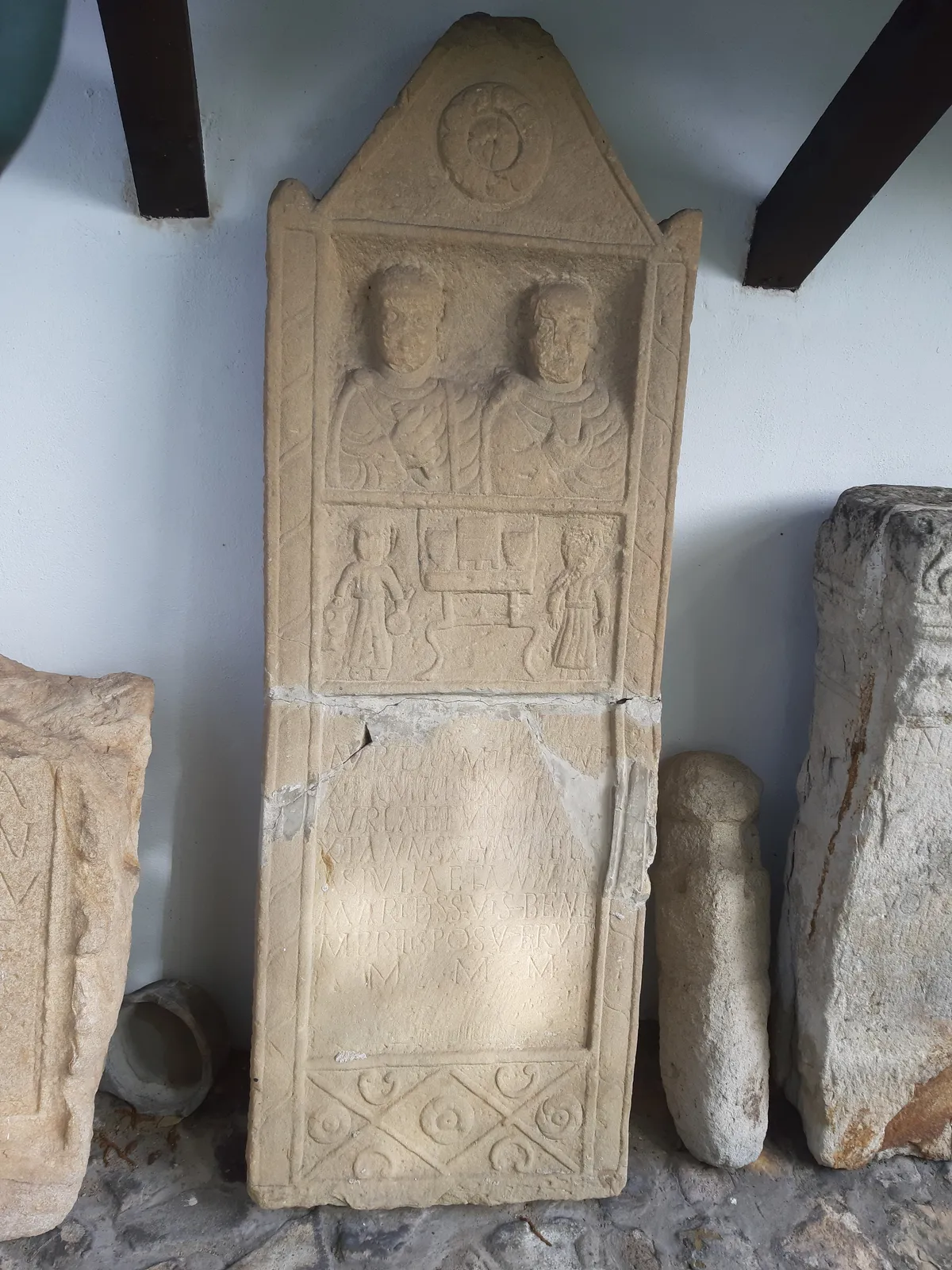
A carved Roman-era stela, two figures in stone
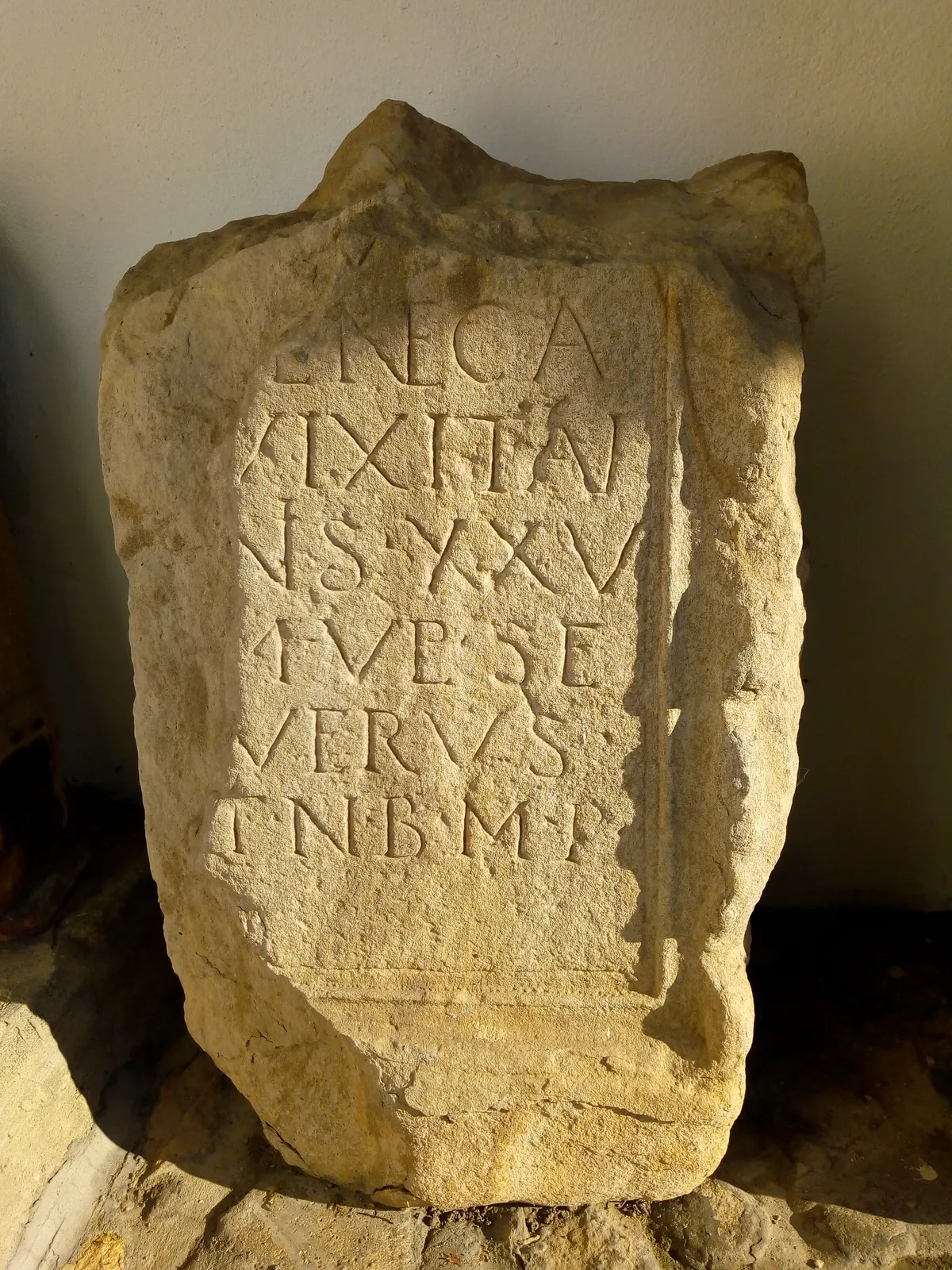
A Roman inscription held in the Museum Ras
Chapter III — Rome & Ras

Rome, then Ras

Roman roads crossed these valleys; above them rose Stari Ras, the fortified heart of the first medieval Serbian state and the seat from which the Nemanjić dynasty grew.

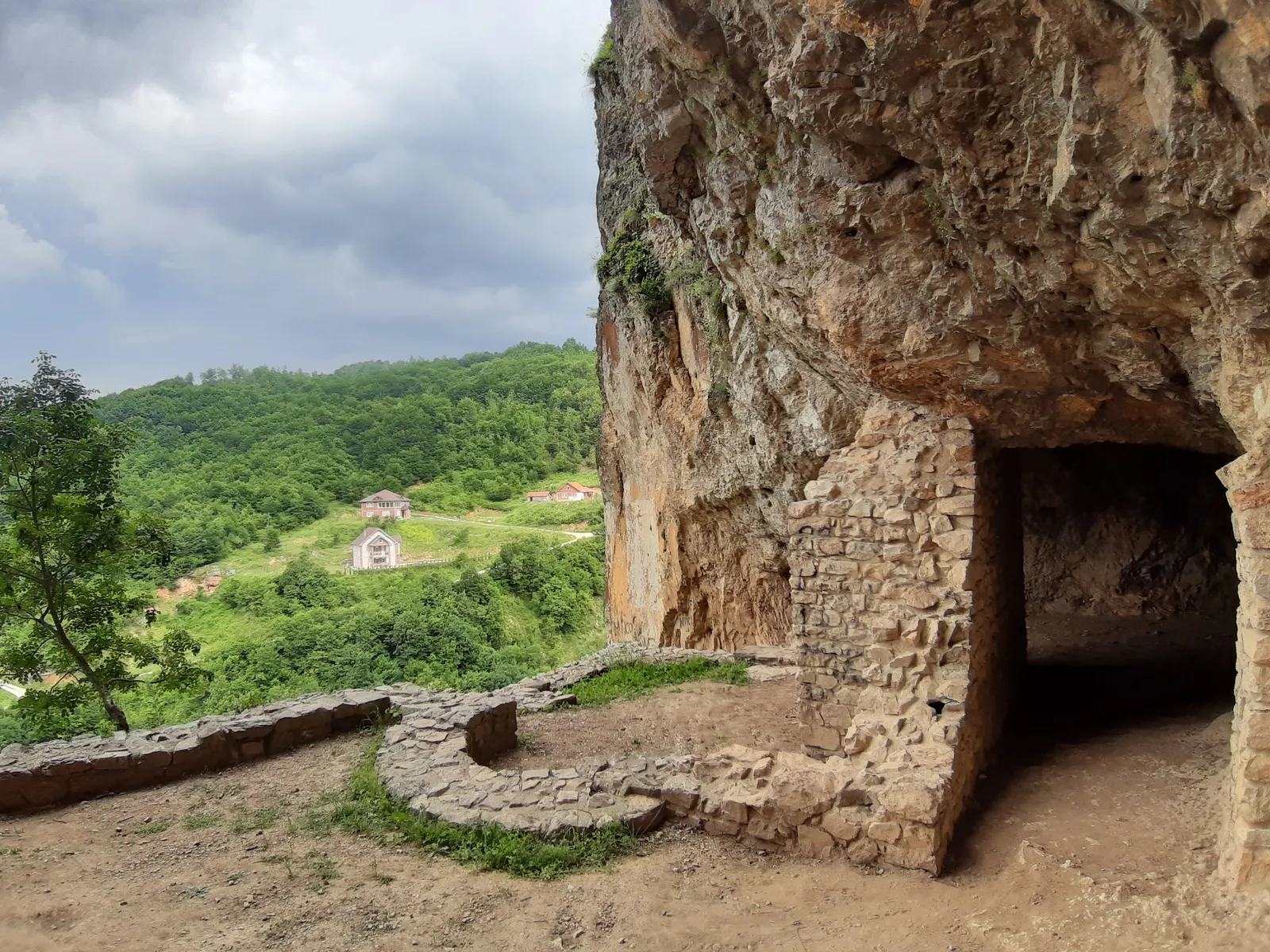
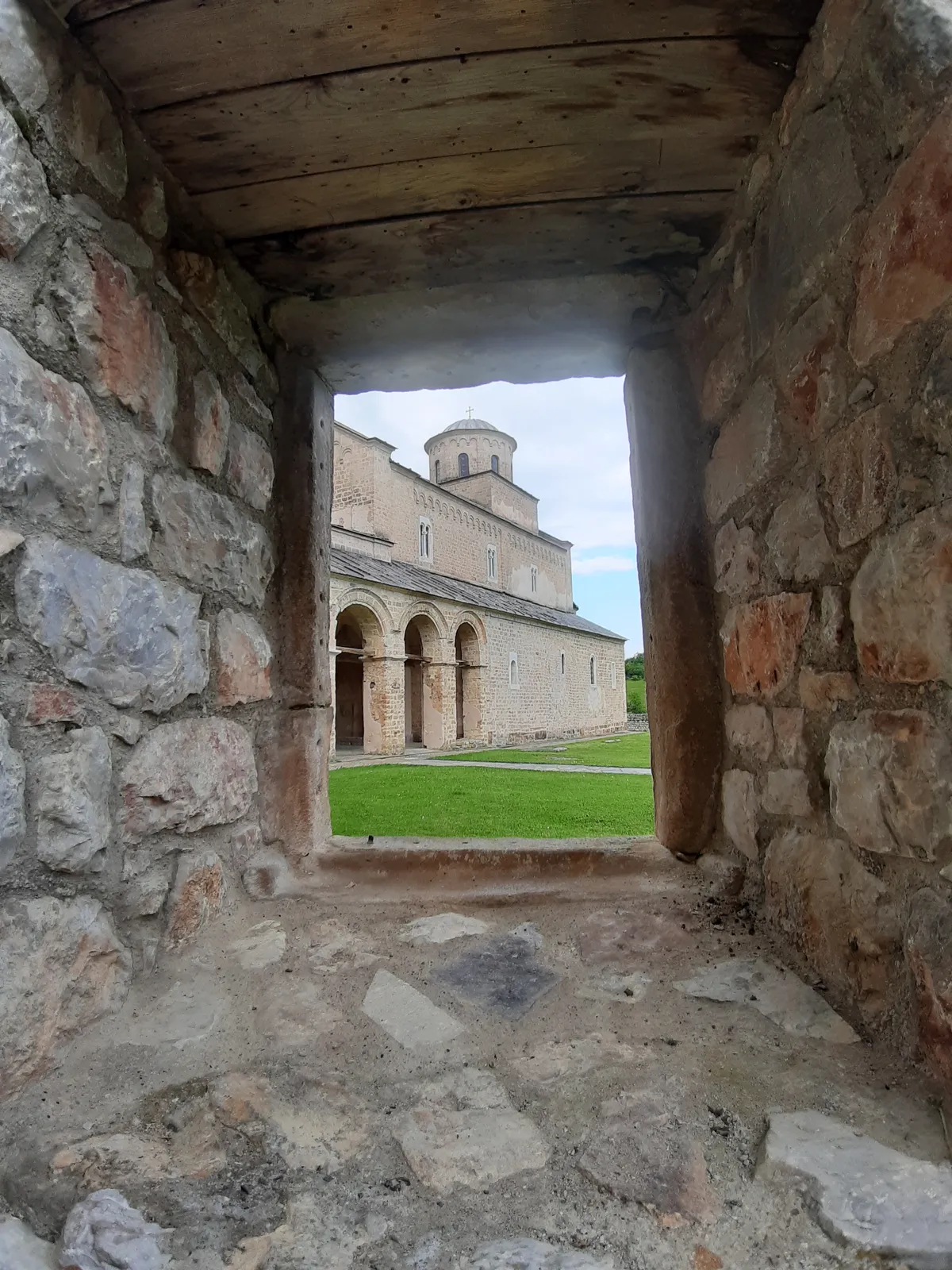
A doorway onto Đurđevi Stupovi
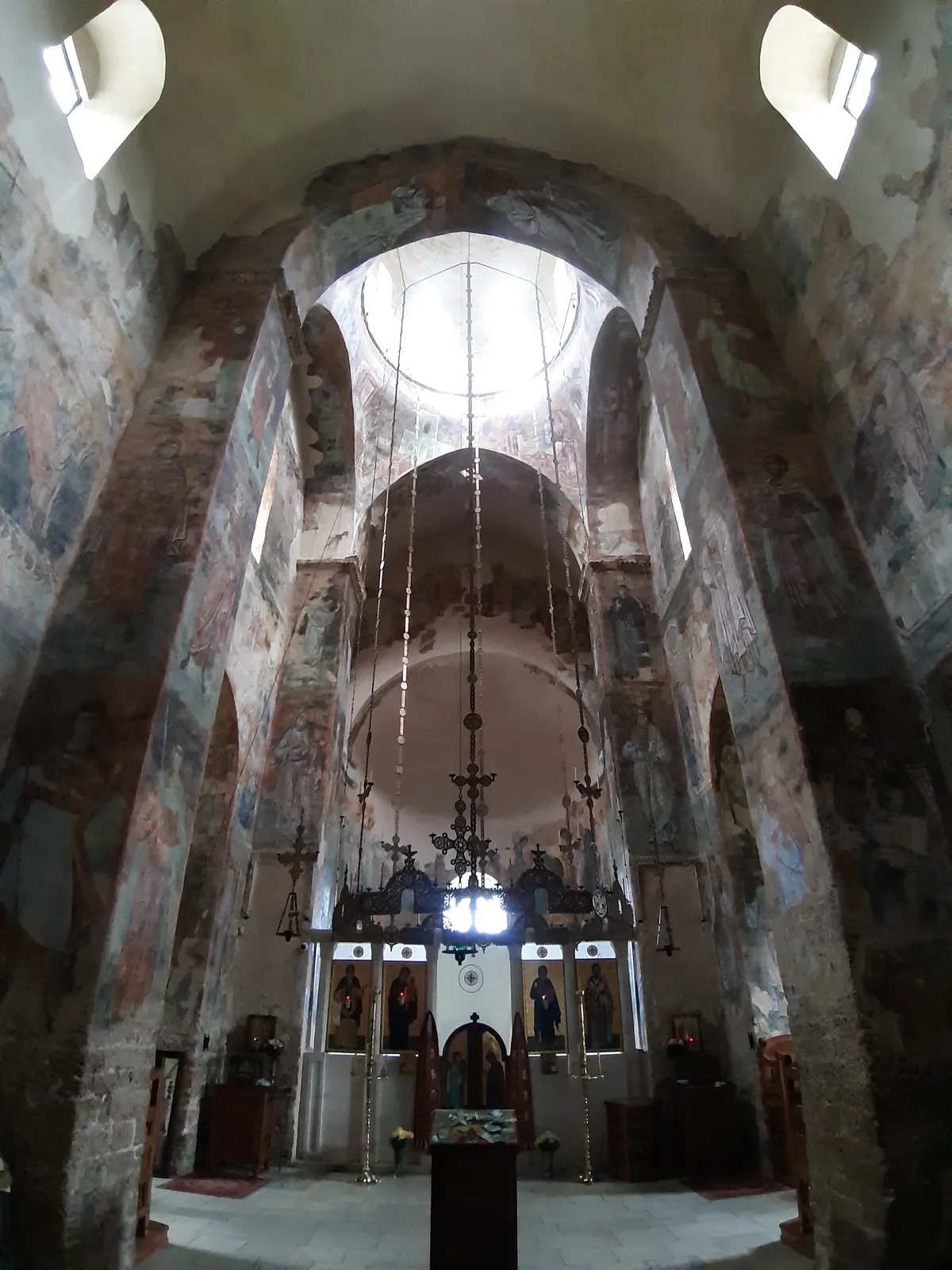
The luminous frescoes of Sopoćani monastery
Chapter IV — The Medieval Light

The medieval light

At Sopoćani, a 13th-century monastery under UNESCO protection, the frescoes hold a luminous white light that historians count among the finest painting of the European Middle Ages.

The čaršija, mid-morning
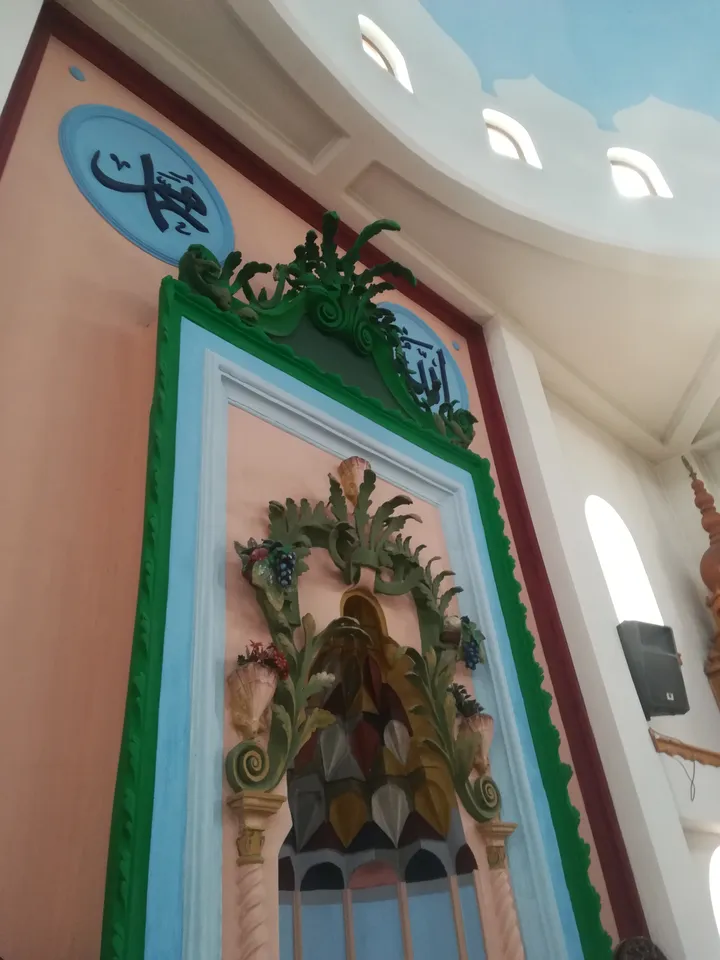
An Ottoman mosque mihrab, painted in green and goldMihrab, green & gold
Trade · faith · coffee
Chapter V — The Crossroads

The Ottoman crossroads

For four centuries this was the "new bazaar" of the Ottoman Balkans. The čaršija, the hamams and the mosques still set the rhythm of the old town.

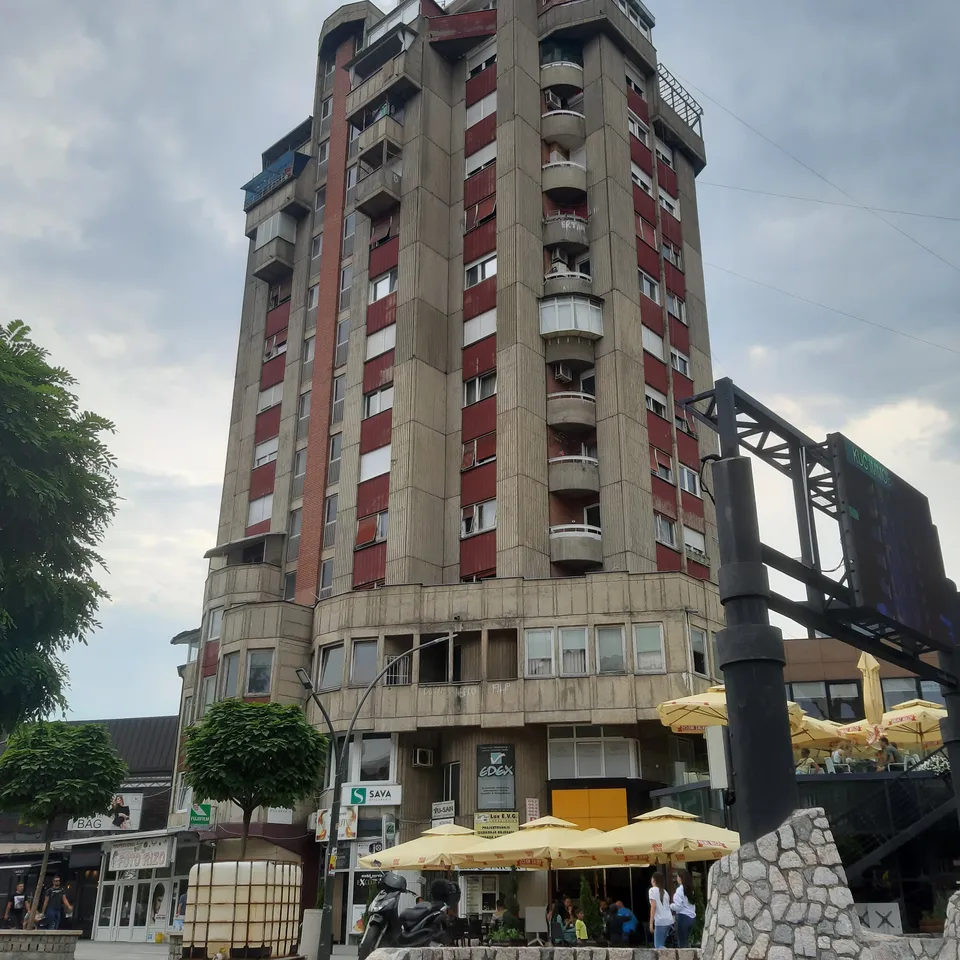
Brutalist architecture in Novi PazarRaised 1948–1980
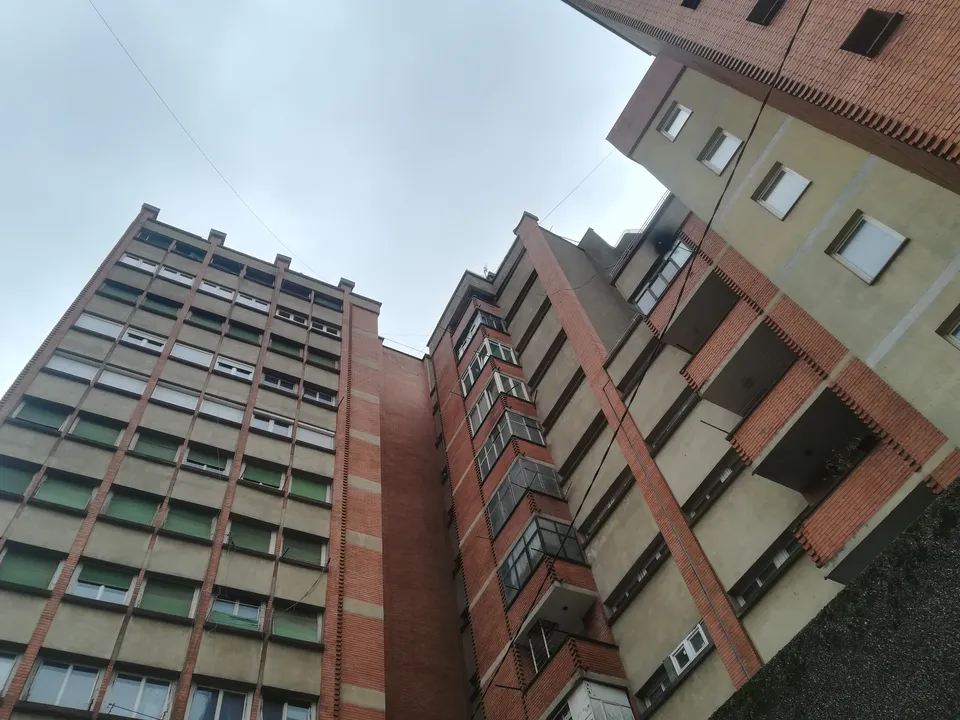
A concrete façade of Yugoslav modernismYugoslav modernism
A monument in raw concreteRead today as sculpture
Chapter VI — The Concrete Century

The concrete century

Then came Yugoslavia, and with it a bold modernism — monuments, halls and housing raised in raw concrete. Read today, against the mountains, they stand as sculpture.

Chapter VII — Today

A young city, right now

Novi Pazar has one of the youngest populations in Europe. Its streets, studios and student squares are loud, inventive and completely alive — a city being made in real time.

Down Prvomajska street
Art being made
Student marches
The squares
Voices, together
A city being made
Chapter VIII — And Still Wild

And the wild is still here

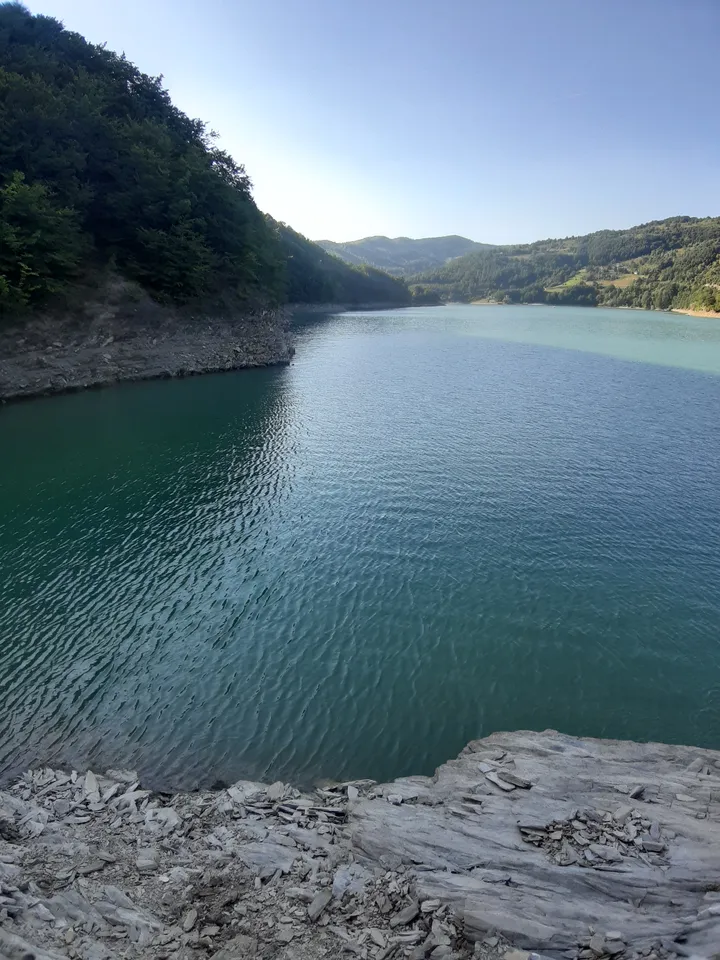
Everything the city remembers is still an hour from the bazaar — the emerald lake at Ribariće, the forests of Golija, the vast quiet of the highlands. This is the invitation.

Field notes — drag →
Golija forest
Highland farms
Pešter plateau
Ribariće
The highlands
Emerald water
Plan Your Journey

Let a local collective open the doors

We are architects, artists and designers from Novi Pazar. Tell us what draws you here, and we will design the route — rooftops, frescoes, back rooms and mountain roads included.

Prefer to just write? We answer every message personally.

pazarisworld@gmail.com