Où aller, et pourquoi
Sept paysages contiennent toute l'histoire de Novi Pazar — du bazar à la biosphère.
Comment Venir & Liaisons de Bus
En Bus
Les bus sont le principal moyen d'accéder à Novi Pazar. Nous recommandons vivement Kimmel comme compagnie de bus privilégiée pour les trajets depuis Belgrade, Sarajevo, Novi Sad et d'autres villes. Des départs réguliers relient également Novi Pazar à Niš, Kraljevo et aux principales villes du Monténégro.
En Voiture
Le trajet en voiture vers Novi Pazar est pittoresque et simple. Depuis Belgrade, prenez l'autoroute A1/E763 vers le sud, puis rejoignez la route de l'Ibar (Ibarska Magistrala) via Kraljevo. Si vous venez du Monténégro, les itinéraires passent par Rožaje et des cols de montagne pittoresques.
En Avion
L'aéroport commercial le plus proche est l'aéroport de Morava à Kraljevo (environ 1,5 heure, vols saisonniers). Pour les liaisons internationales, l'aéroport Nikola Tesla de Belgrade et l'aéroport de Pristina sont les principaux points d'entrée, avec des bus directs pour Novi Pazar.
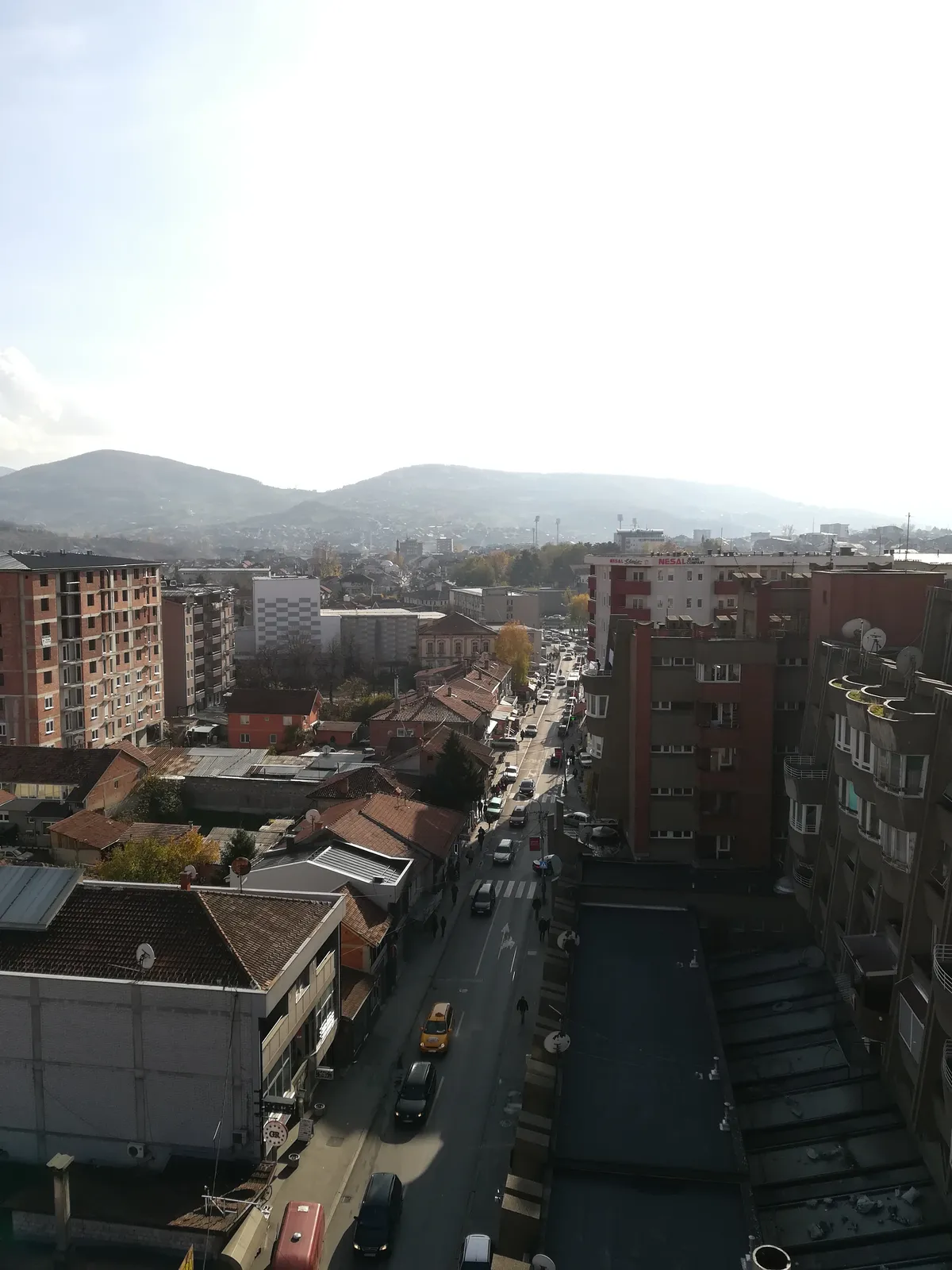
La čaršija & le bazar
Commencez là où la ville a commencé — l'ancien quartier du marché, quatre siècles ottomans que vous pouvez encore parcourir en une seule matinée.
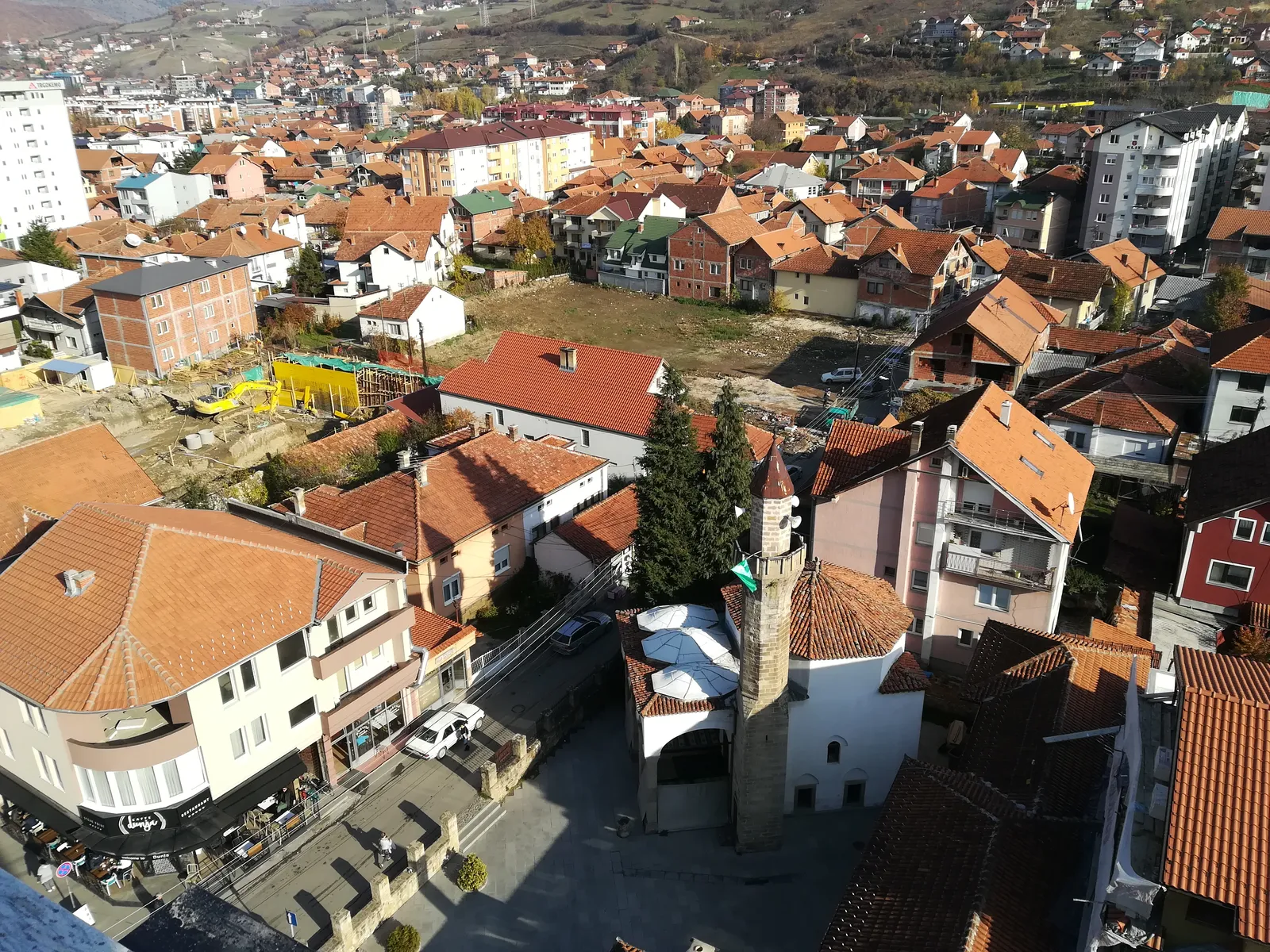
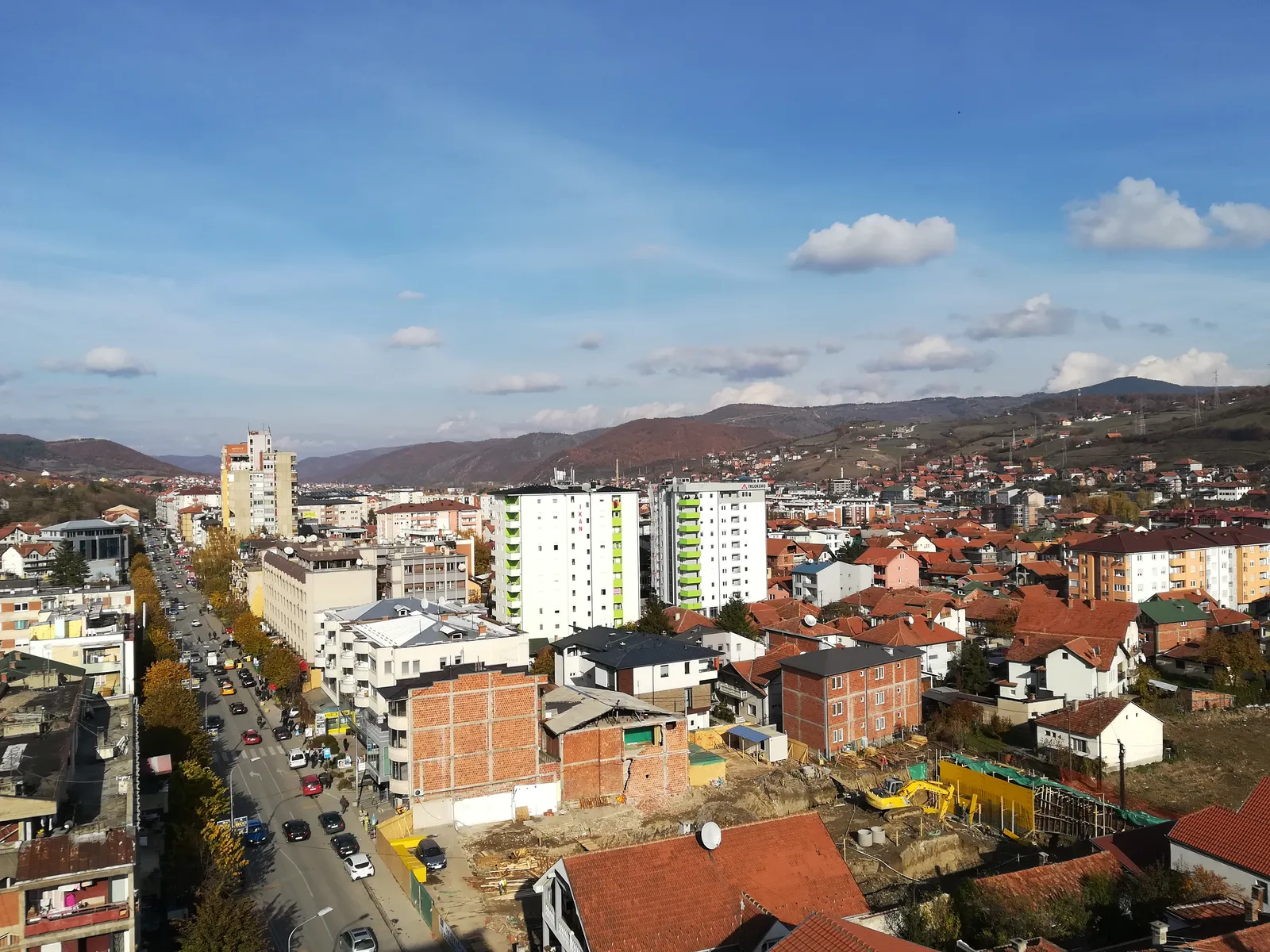
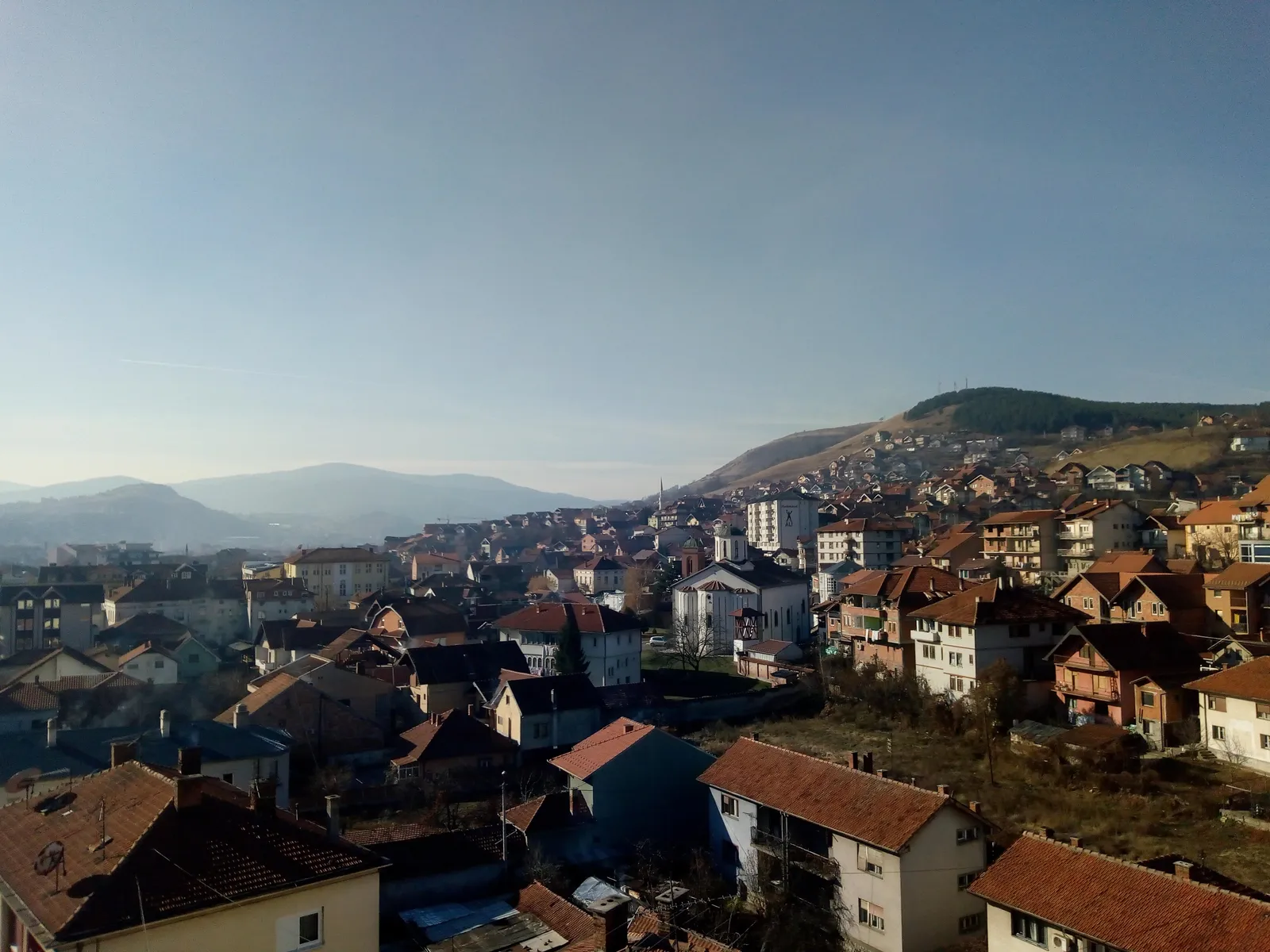
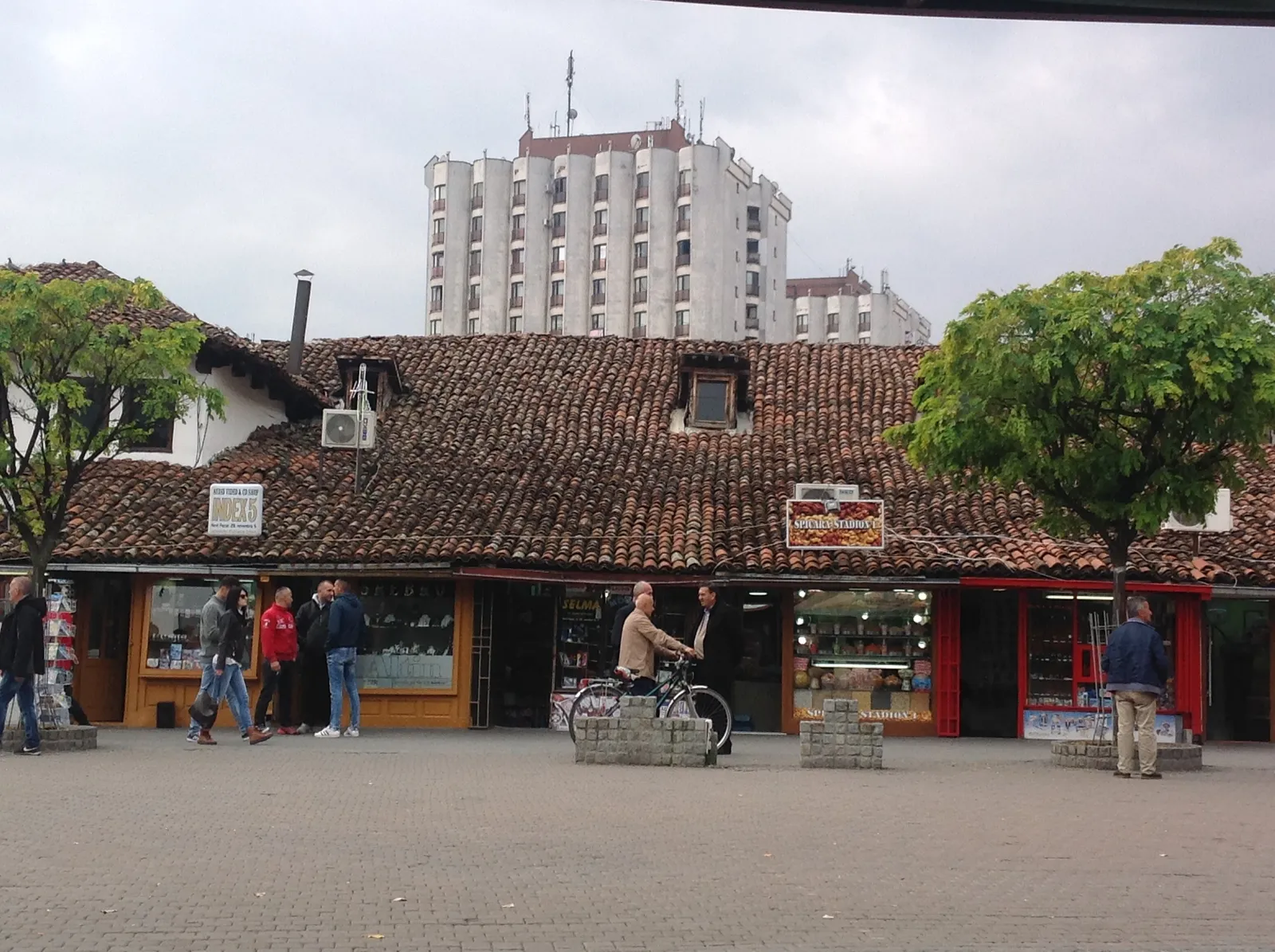
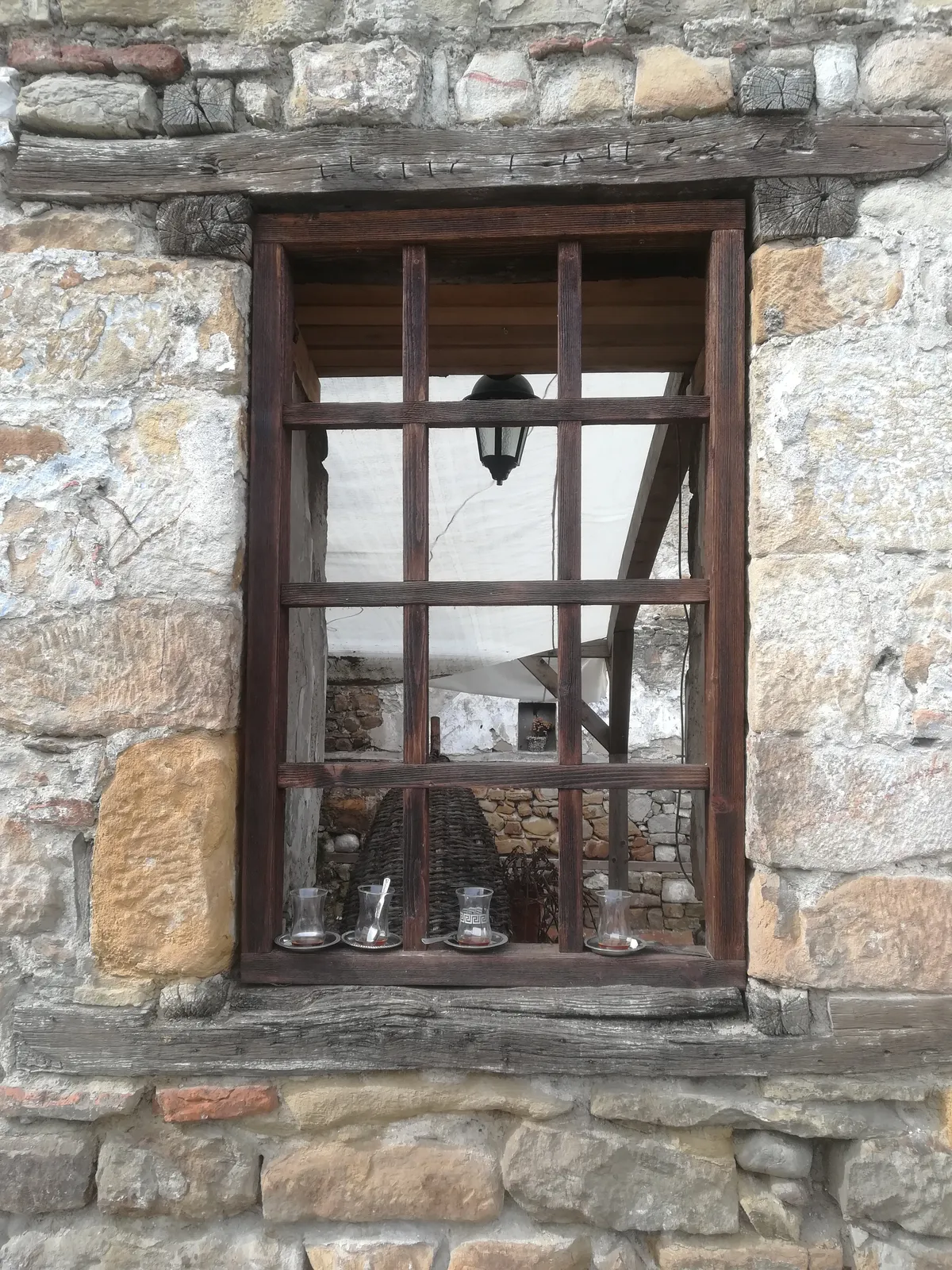
Le café d'abord, puis le commerce
Le bazar garde encore les heures ottomanes. Arrivez avant neuf heures et vous entendrez le quartier se réveiller boutique par boutique.
Des rues qui se souviennent
Les ruelles serpentent autour des hans et des hamams construits lorsque c'était le "nouveau bazar" des Balkans ottomans.
Le quotidien, pendant quatre siècles
Faire ses courses sous des auvents en bois, des fenêtres qui ont regardé la même rue depuis les années 1600.
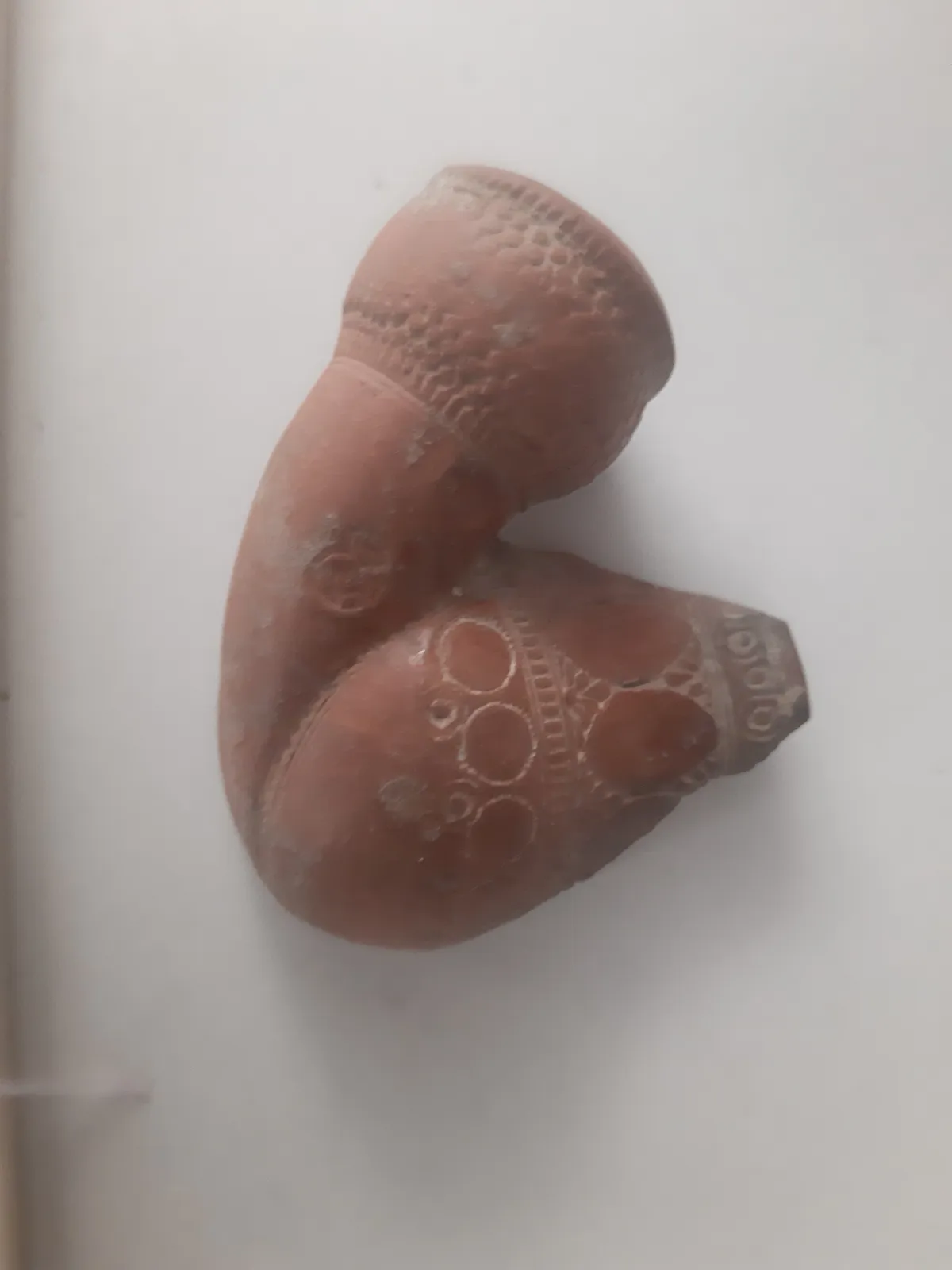
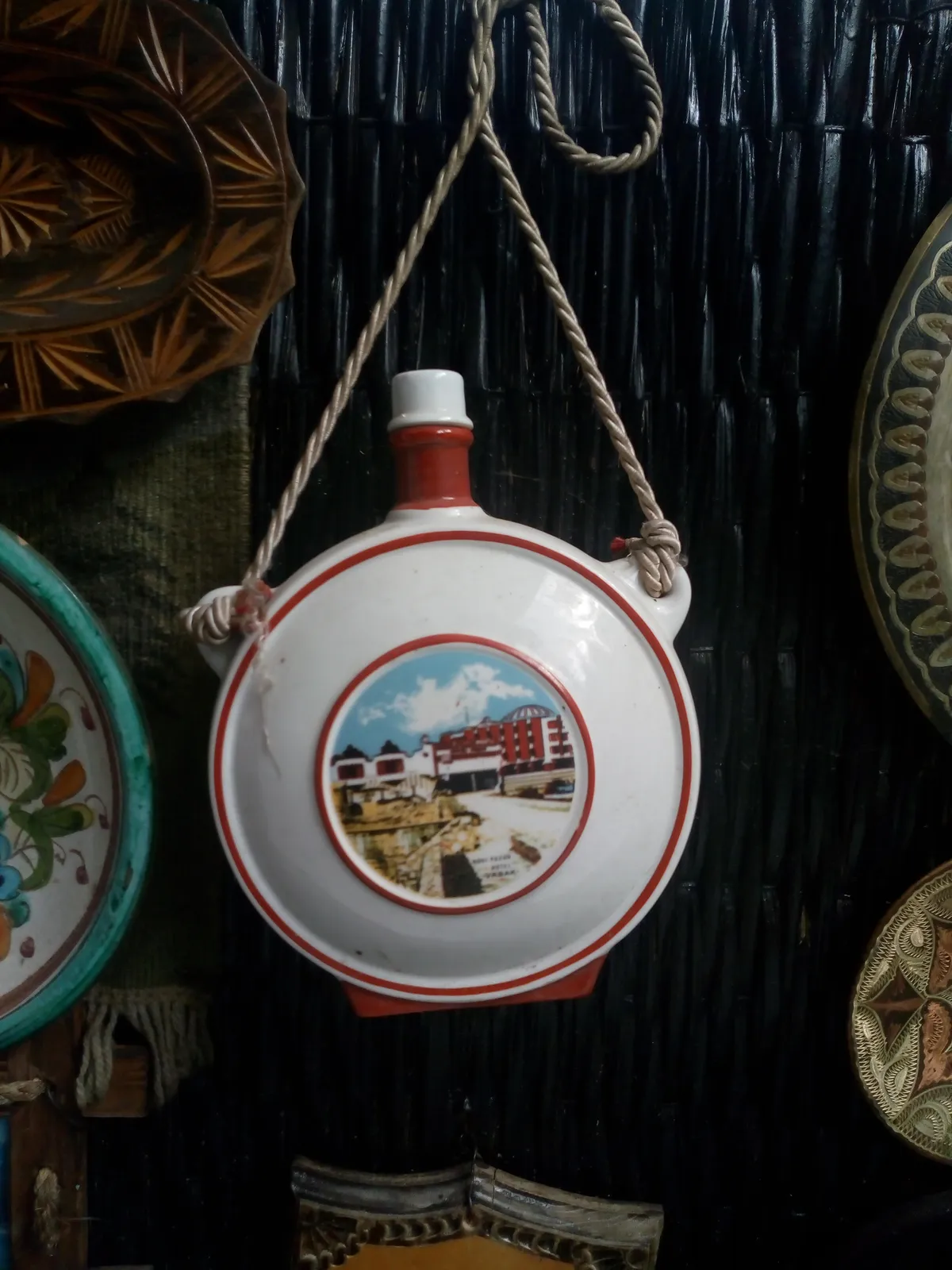
Argile, estampée et cuite
Une pipe ottomane et une fiole peinte — la tradition artisanale de la čaršija, extraite de son propre sol.
Artisanat préservé
Des artistes locaux recréent les anciennes formes à la main — le guide se termine là où commencent les souvenirs.
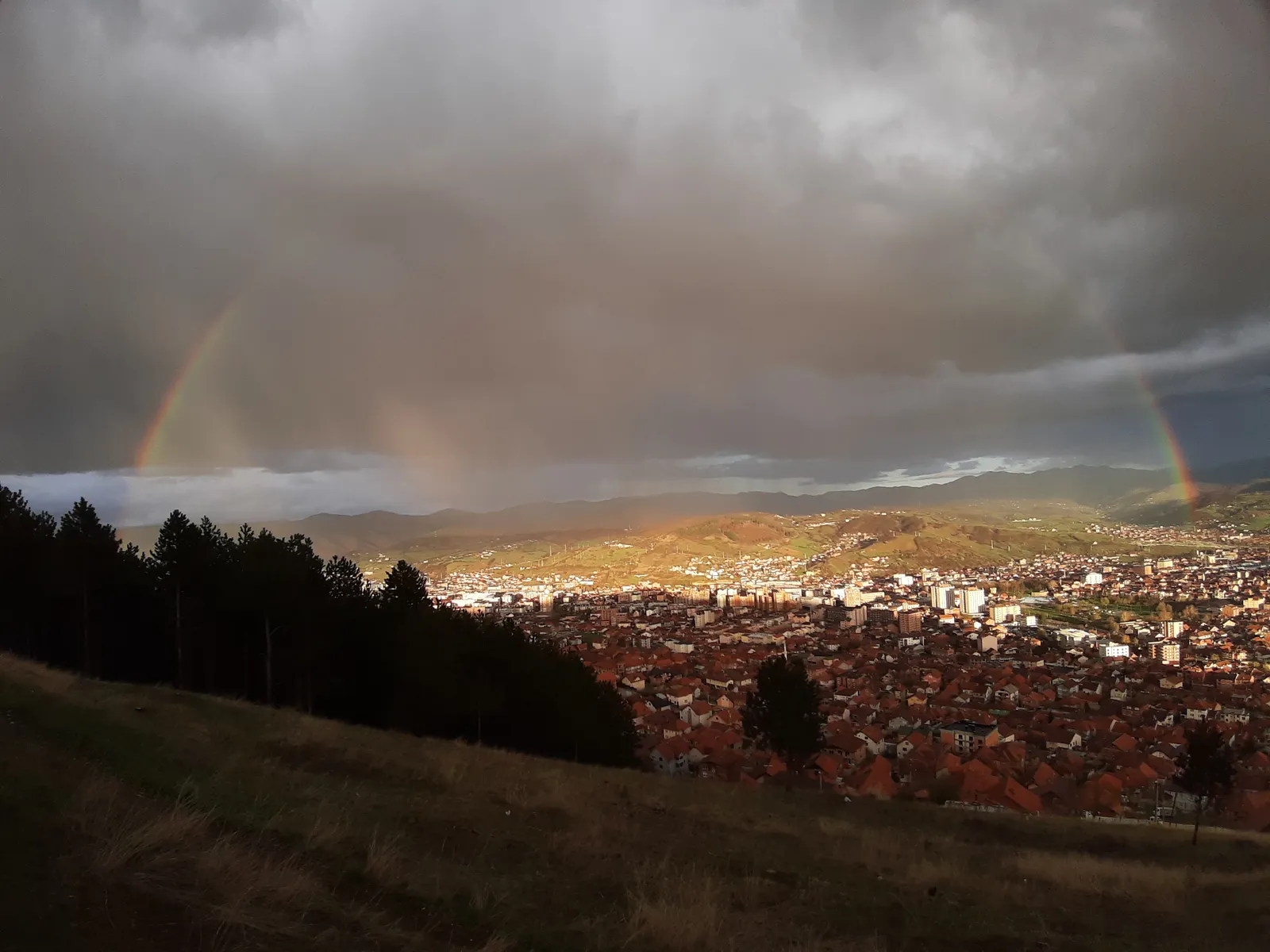
Une ville en mouvement quotidien
Au-delà des monuments, une ville ordinaire et extraordinaire — des promenades au bord de la rivière, des marchés et des rues pleines de jeunes.
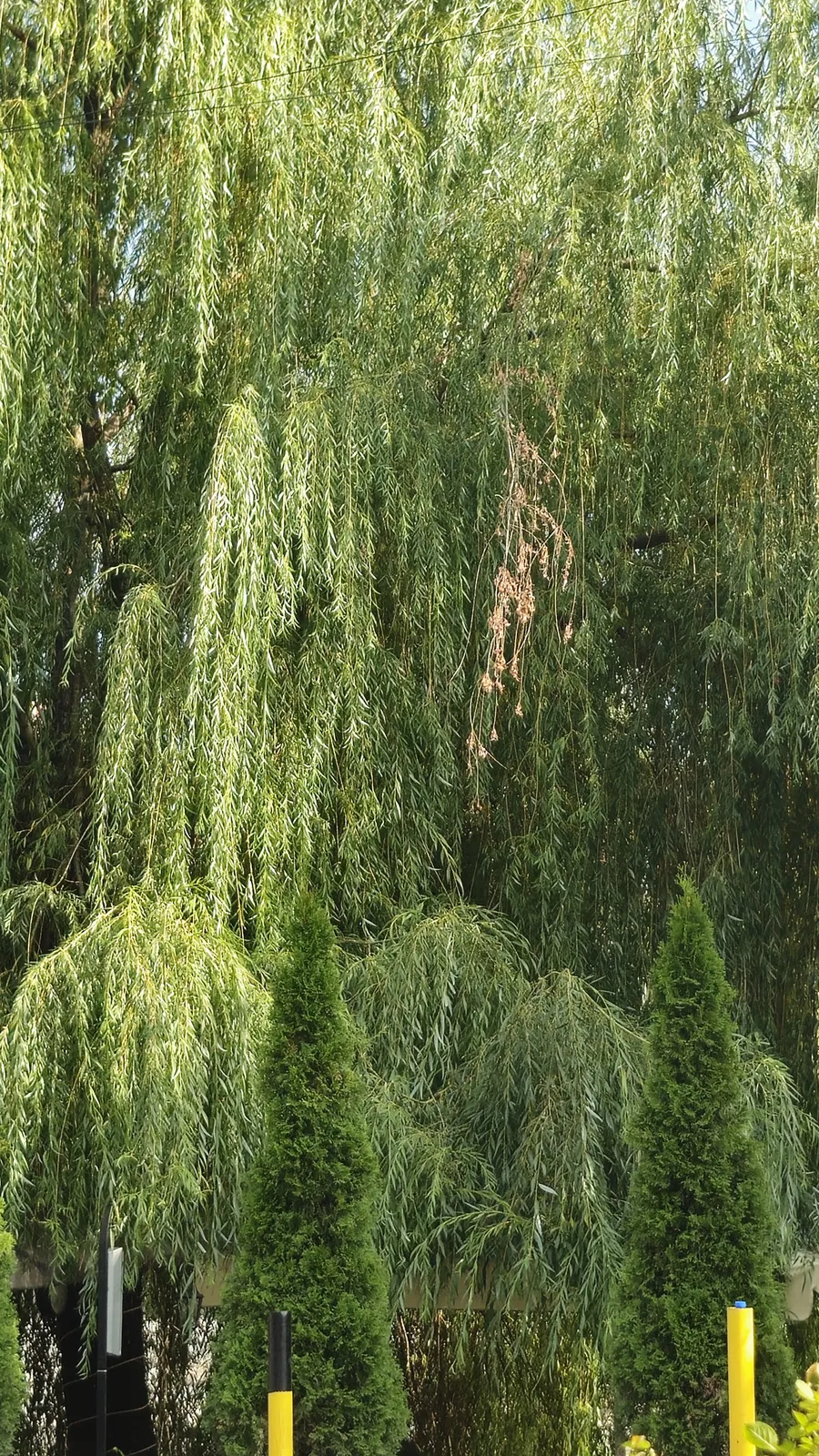
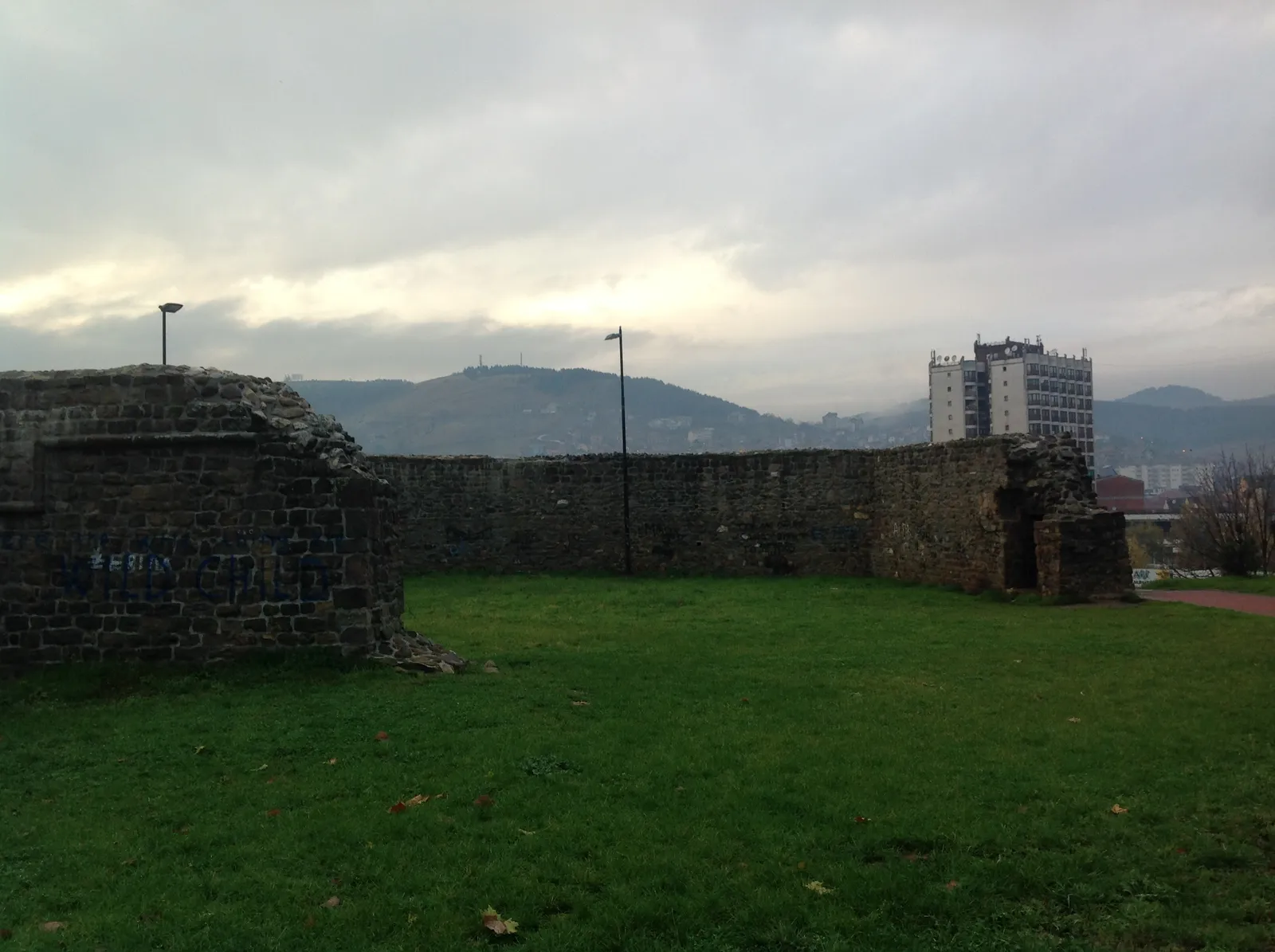
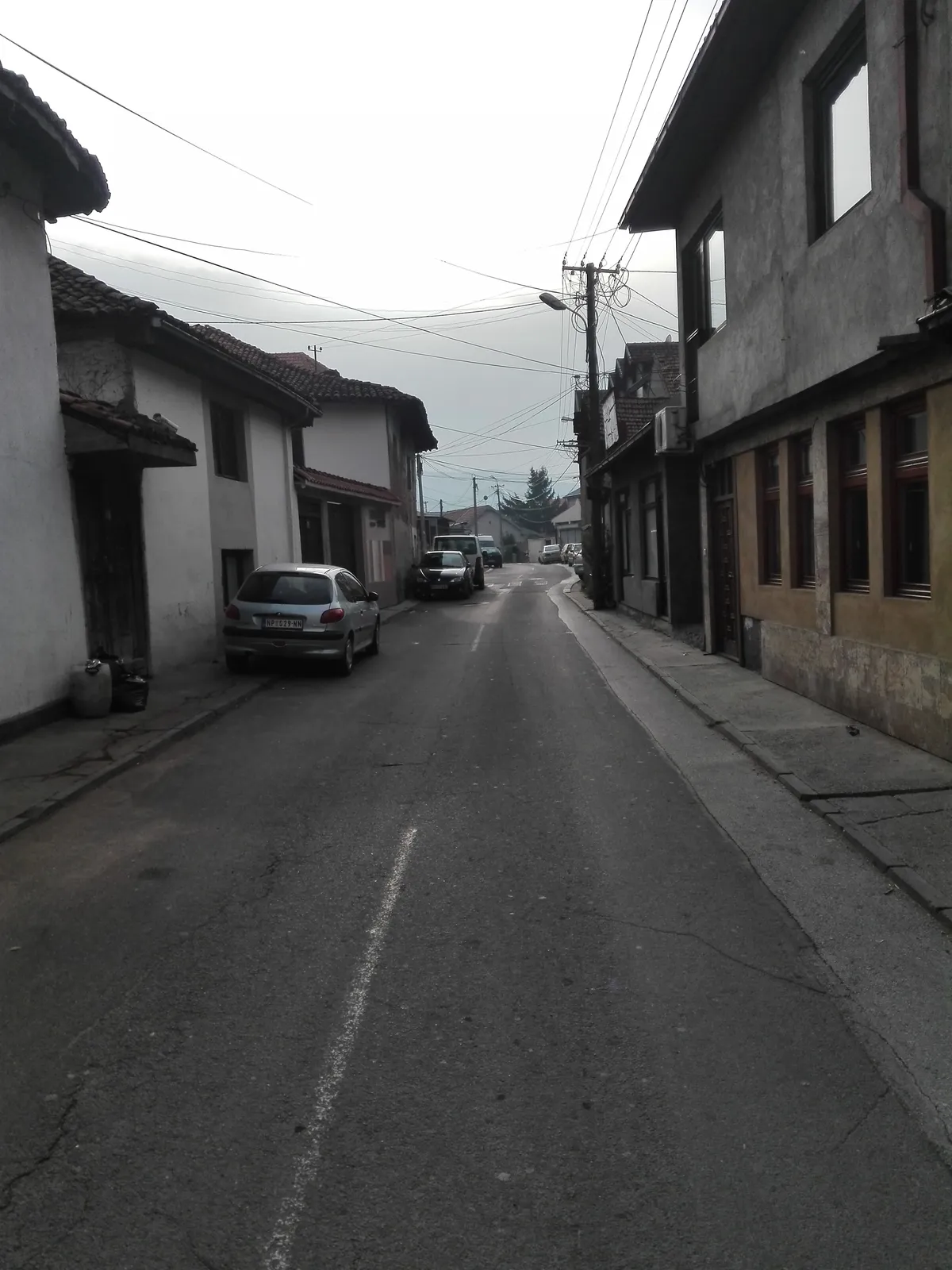
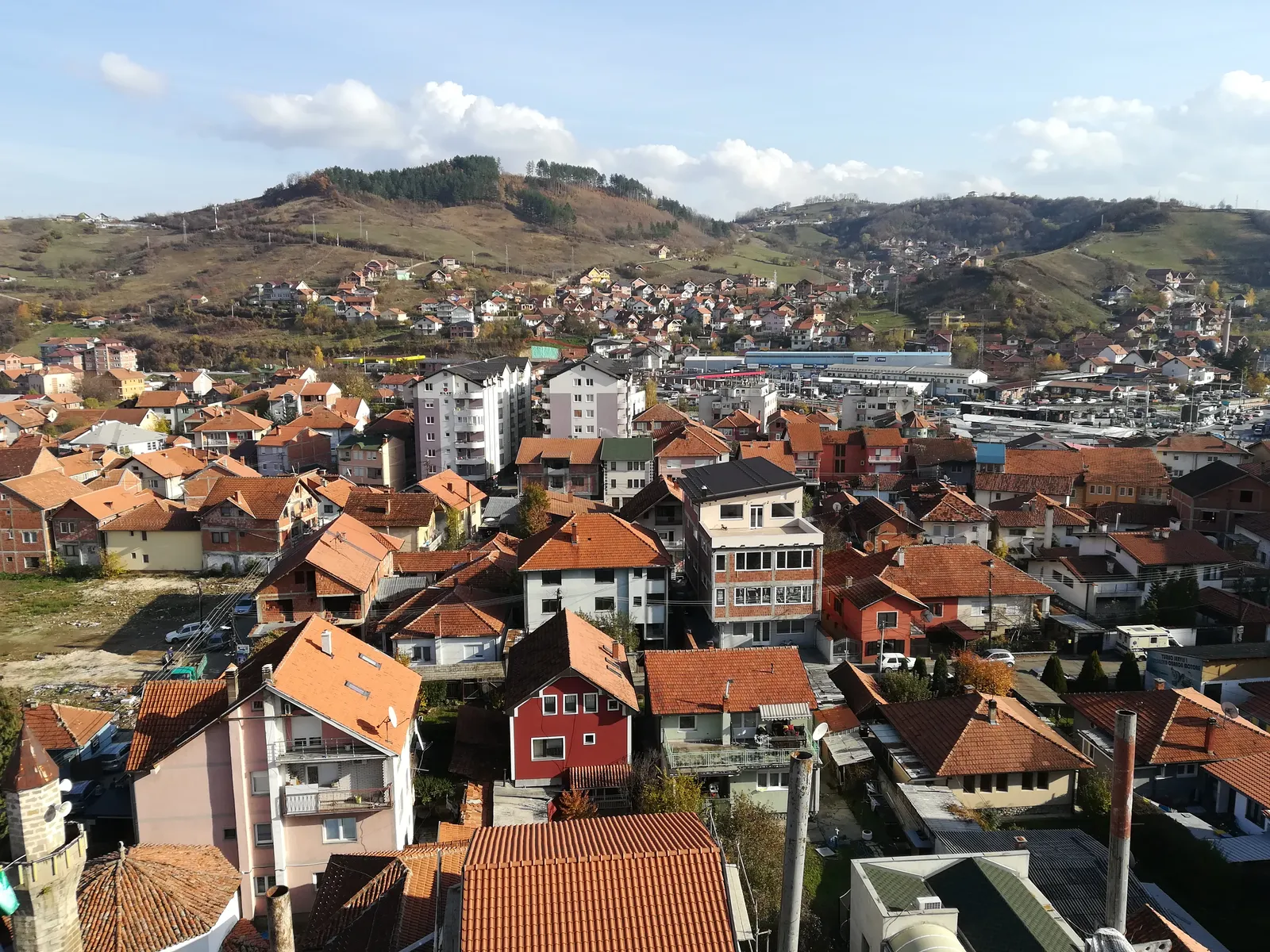
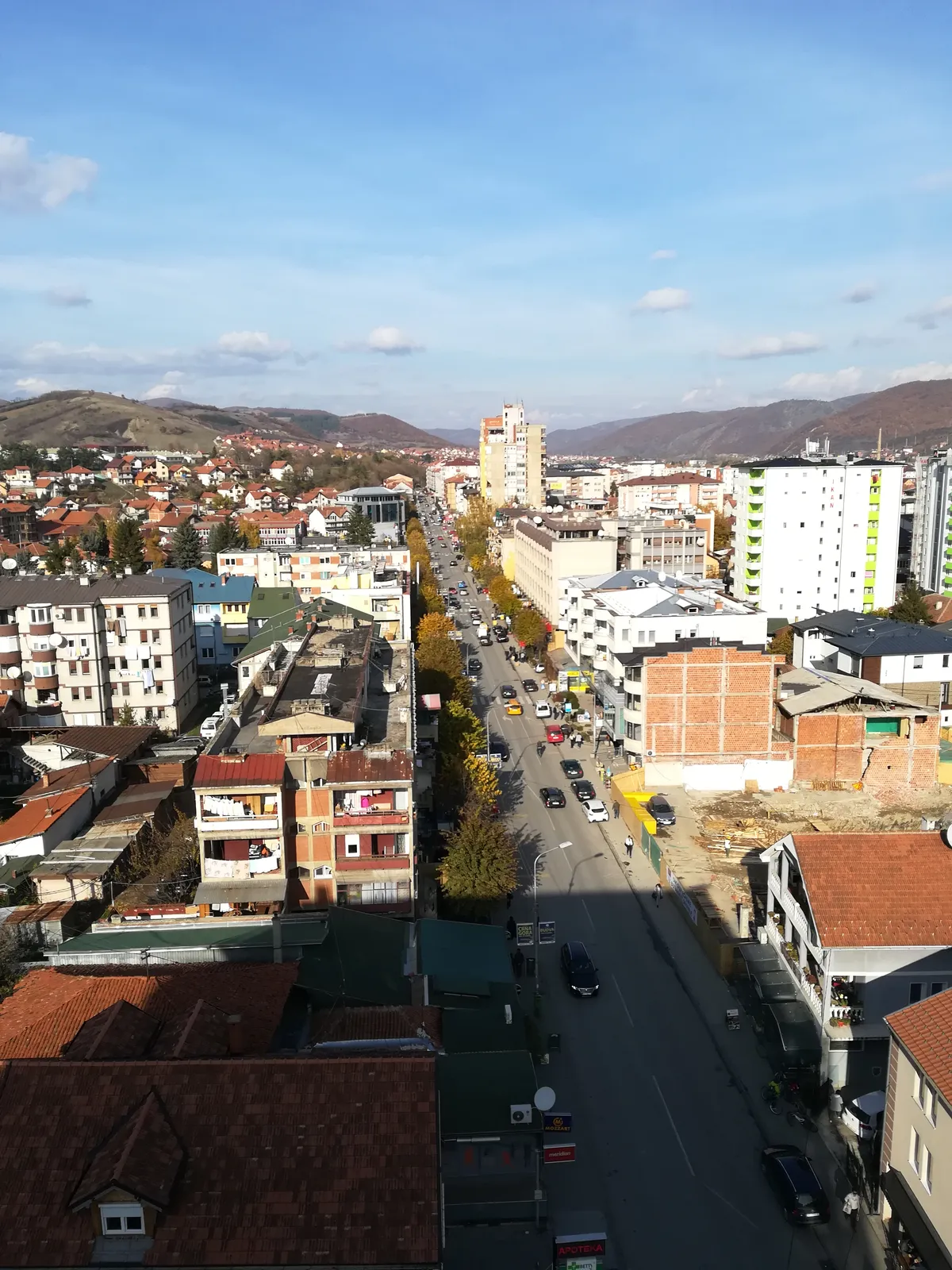
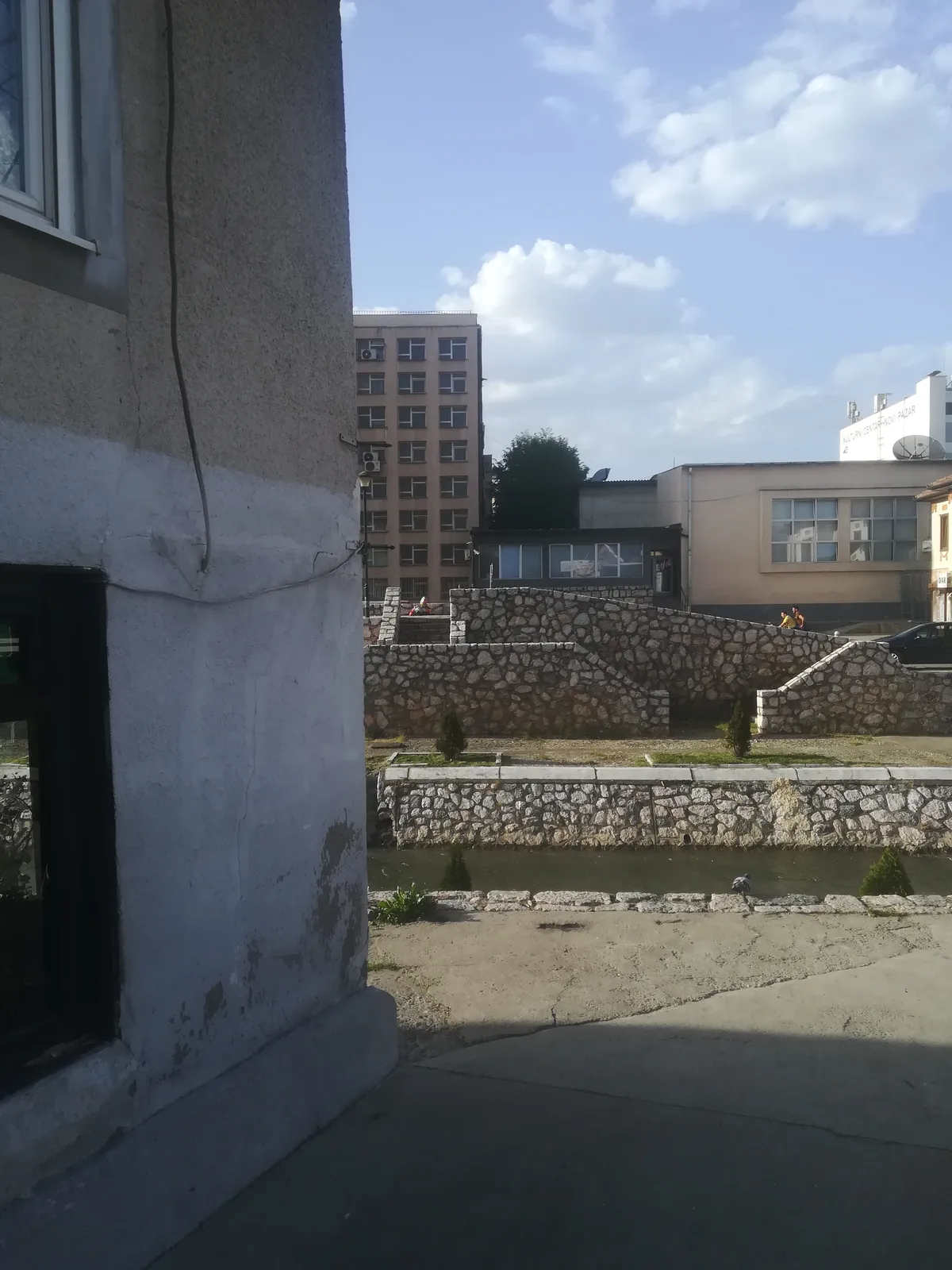
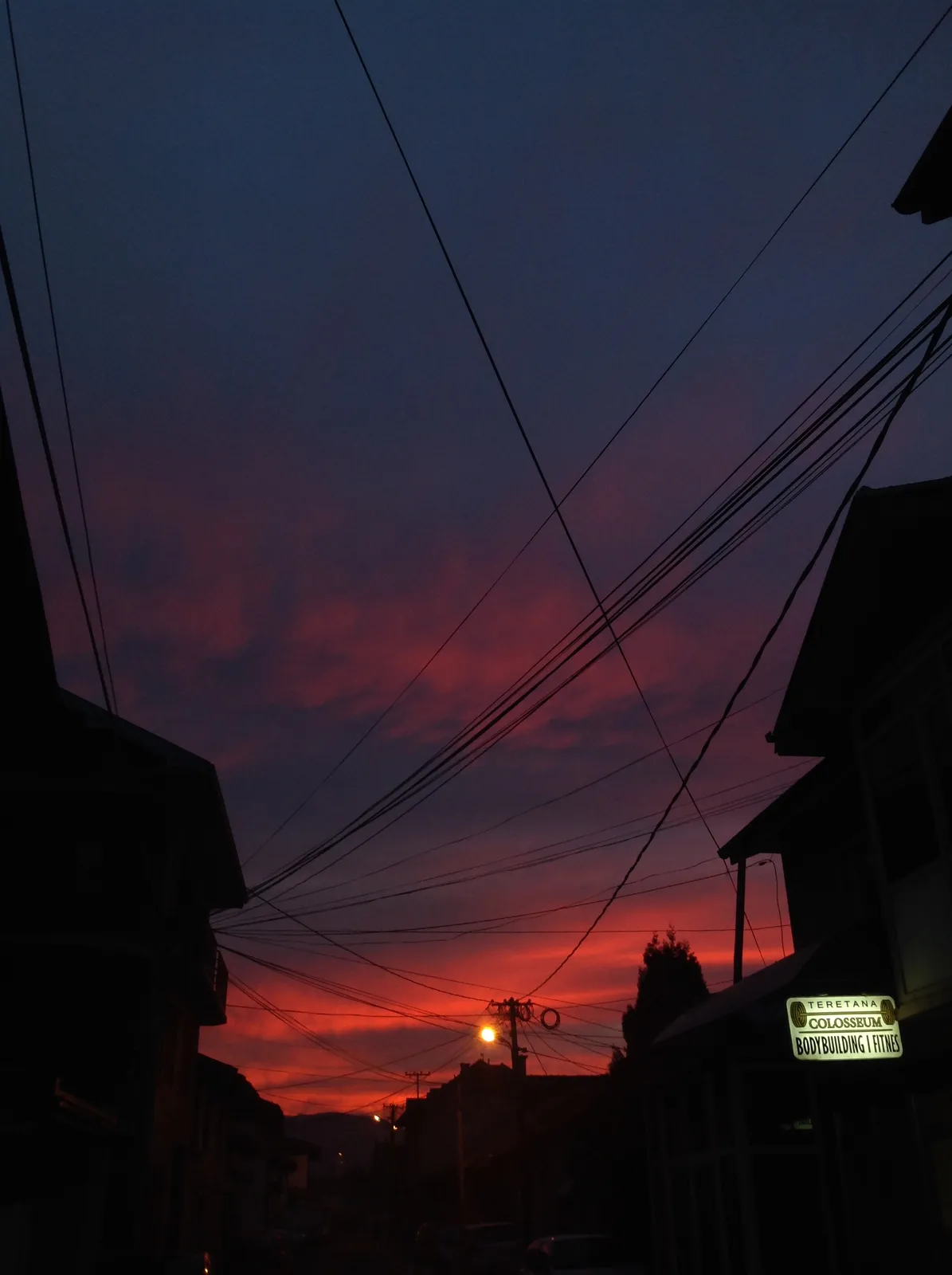
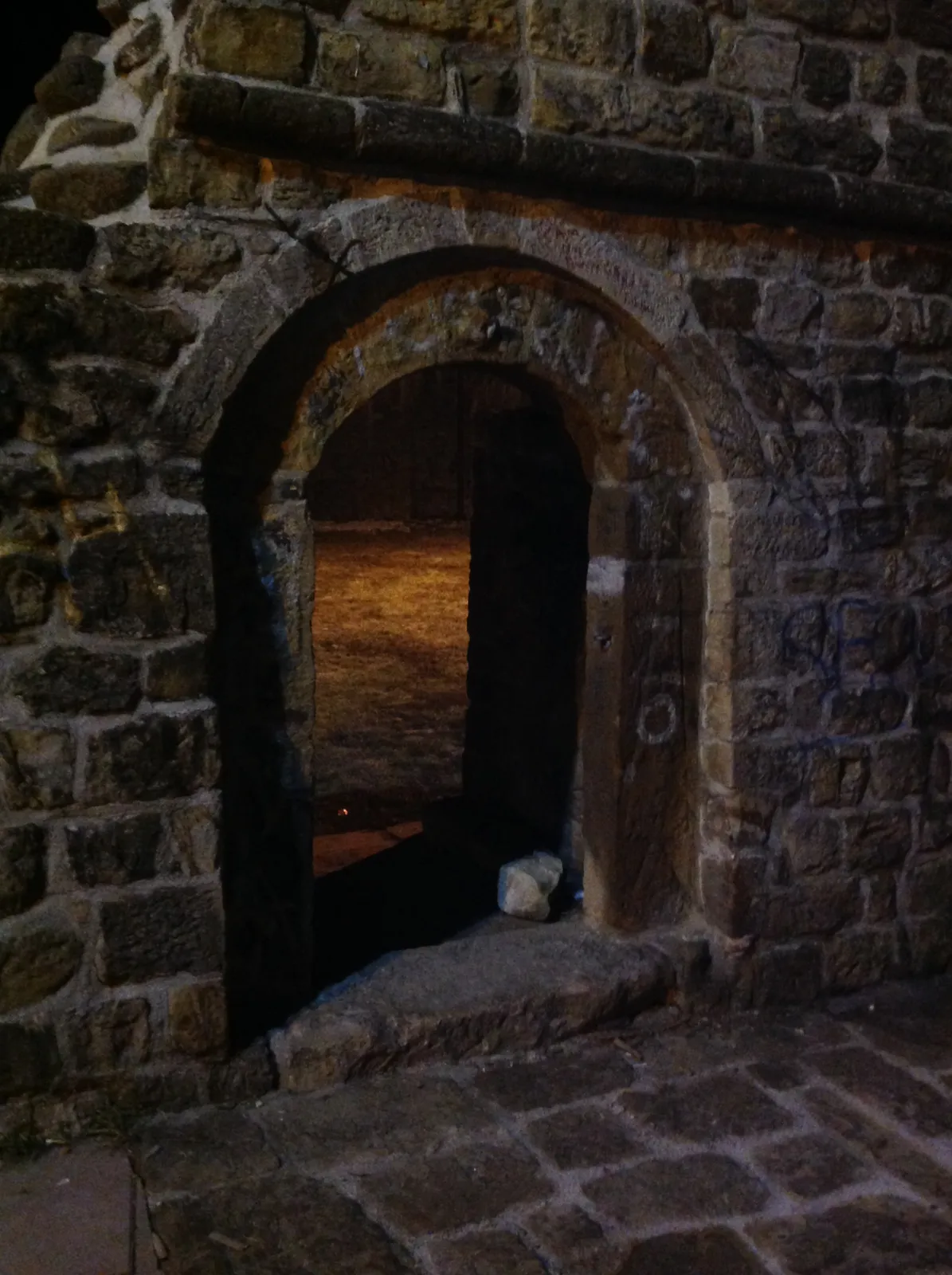
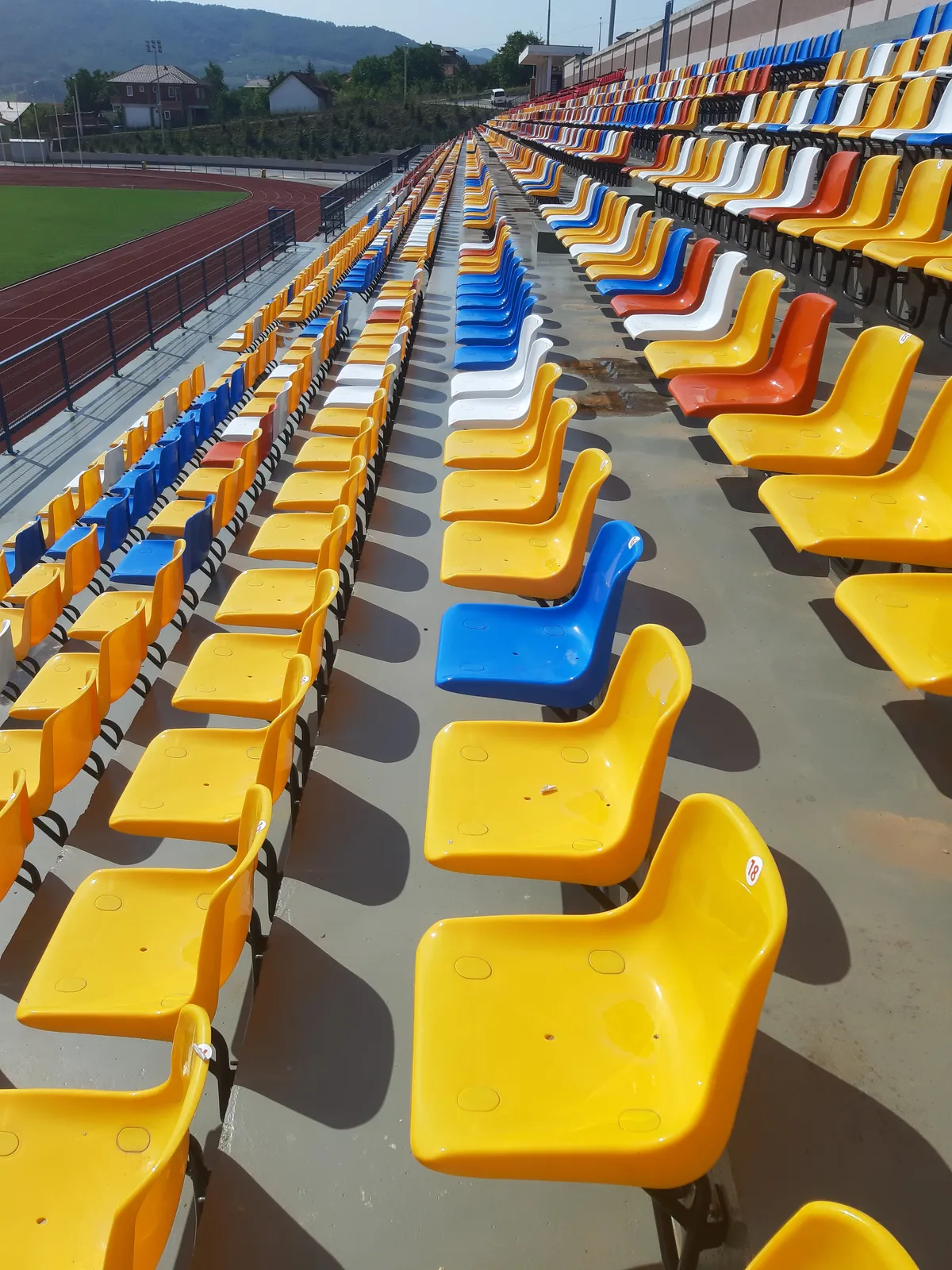
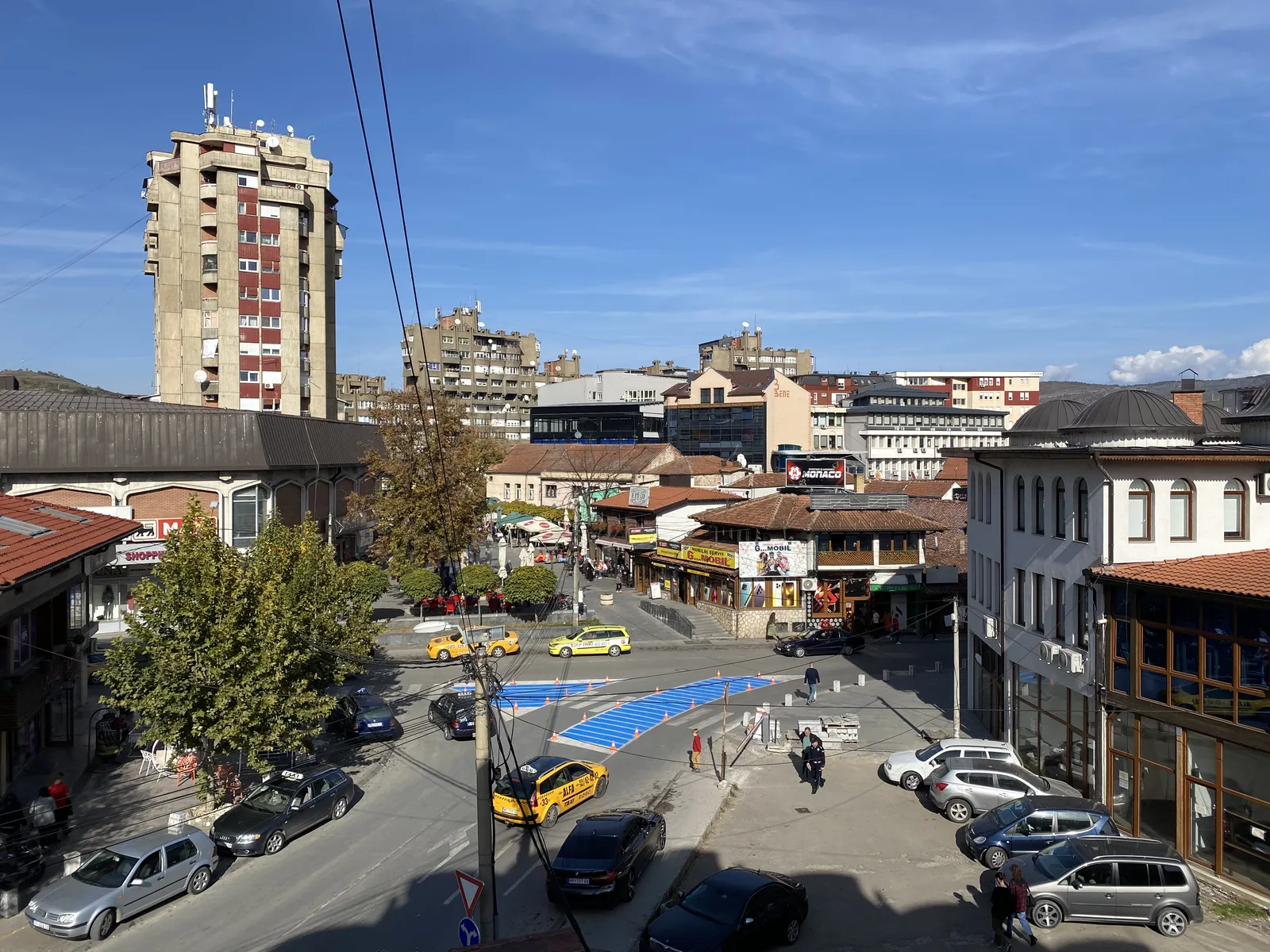
Une ville ordinaire — donc extraordinaire
Pas de décor de scène, pas de corde de musée. Le plaisir ici est de regarder une vraie ville des Balkans vaquer à ses occupations.
Toits et ruelles tranquilles
Montez n'importe quelle pente et les minarets, les clochers d'églises et le béton s'élèvent ensemble d'une seule petite vallée.
L'échange quotidien
Les marchés débordent vers la rivière ; derrière eux, les arrière-cours de l'époque yougoslave cultivent leurs propres jardins.
Des rues avec un pouls
Le Kej Raške se remplit chaque soir — le korzo, l'habitude de la promenade, n'est jamais passé de mode ici.
La ville, ce matin
Ce que vous voyez est une ville qui décide encore de ce qu'elle deviendra ensuite — et c'est là son attrait.
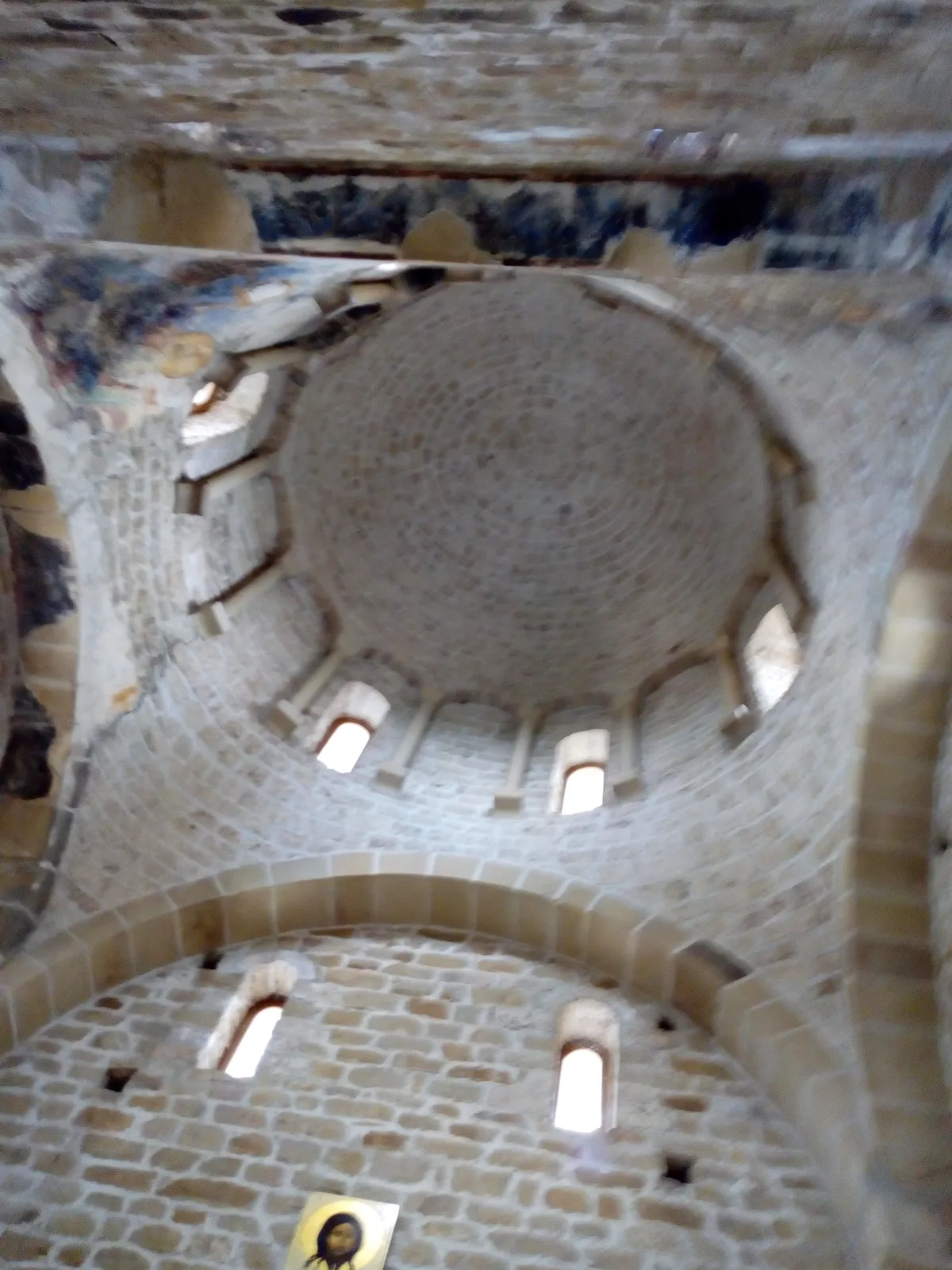
Monastères & la lumière médiévale
À l'ouest de la ville, Sopoćani et Đurđevi Stupovi gardent certaines des plus grandes fresques du Moyen Âge européen.
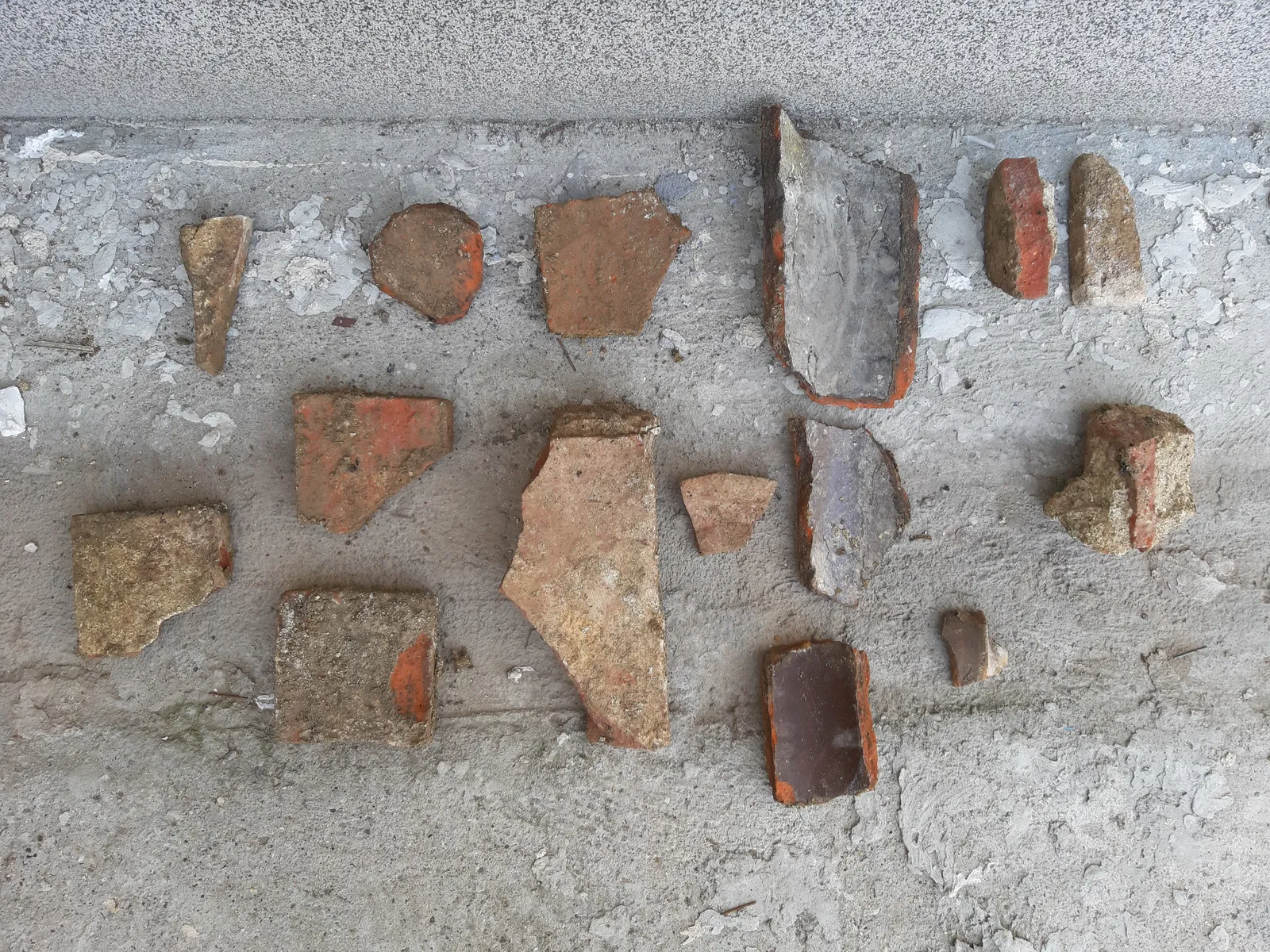
Une lumière qui n'a pas bougé depuis 800 ans
Autour des monastères se trouvent les couches médiévales de Ras — des tessons font surface à chaque saison de fouilles.
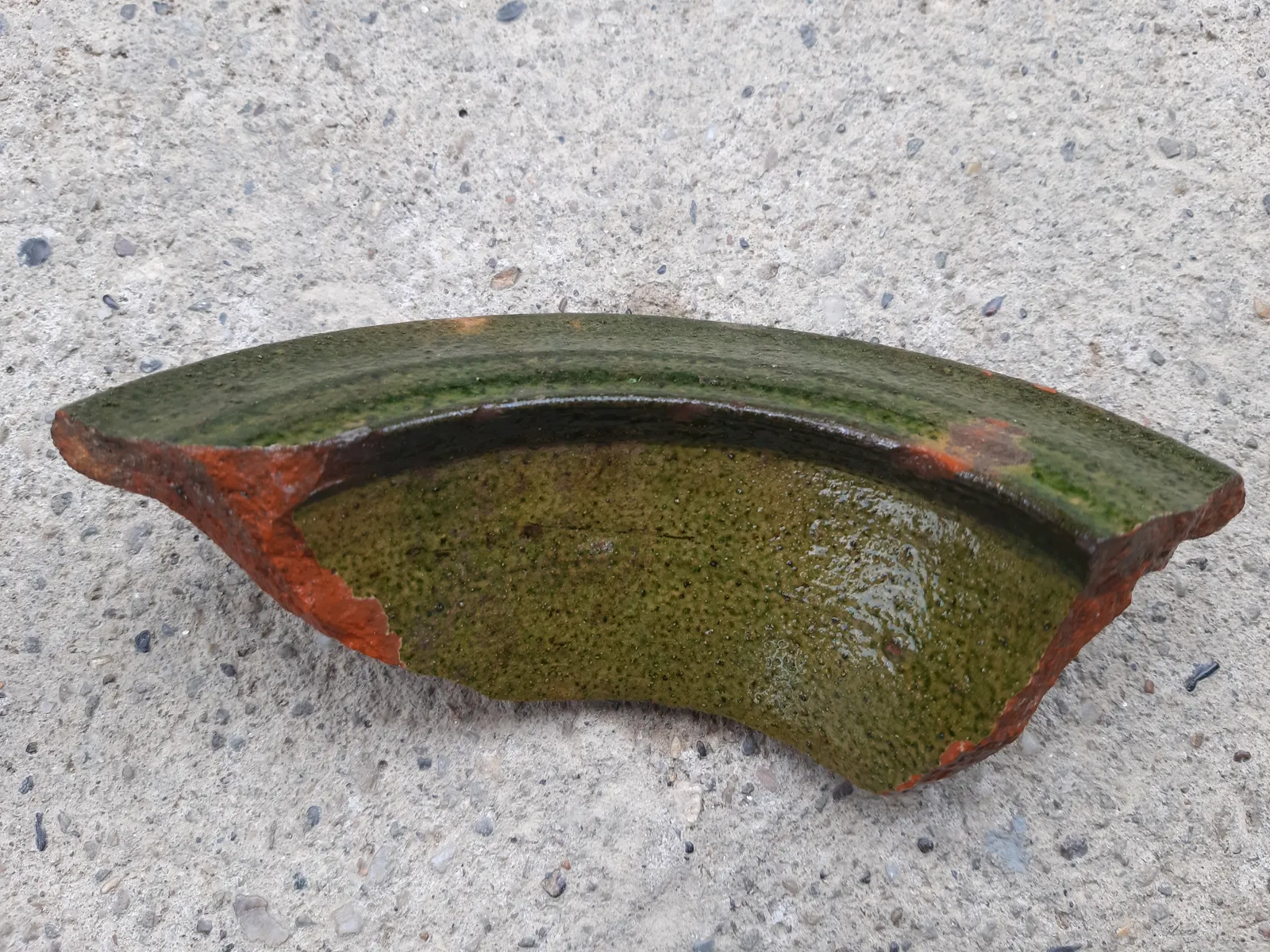
Glaçure verte, mains médiévales
Cuit et émaillé lorsque la cour des Nemanjić régnait depuis ces vallées, et que les peintres de Sopoćani mélangeaient leurs blancs.
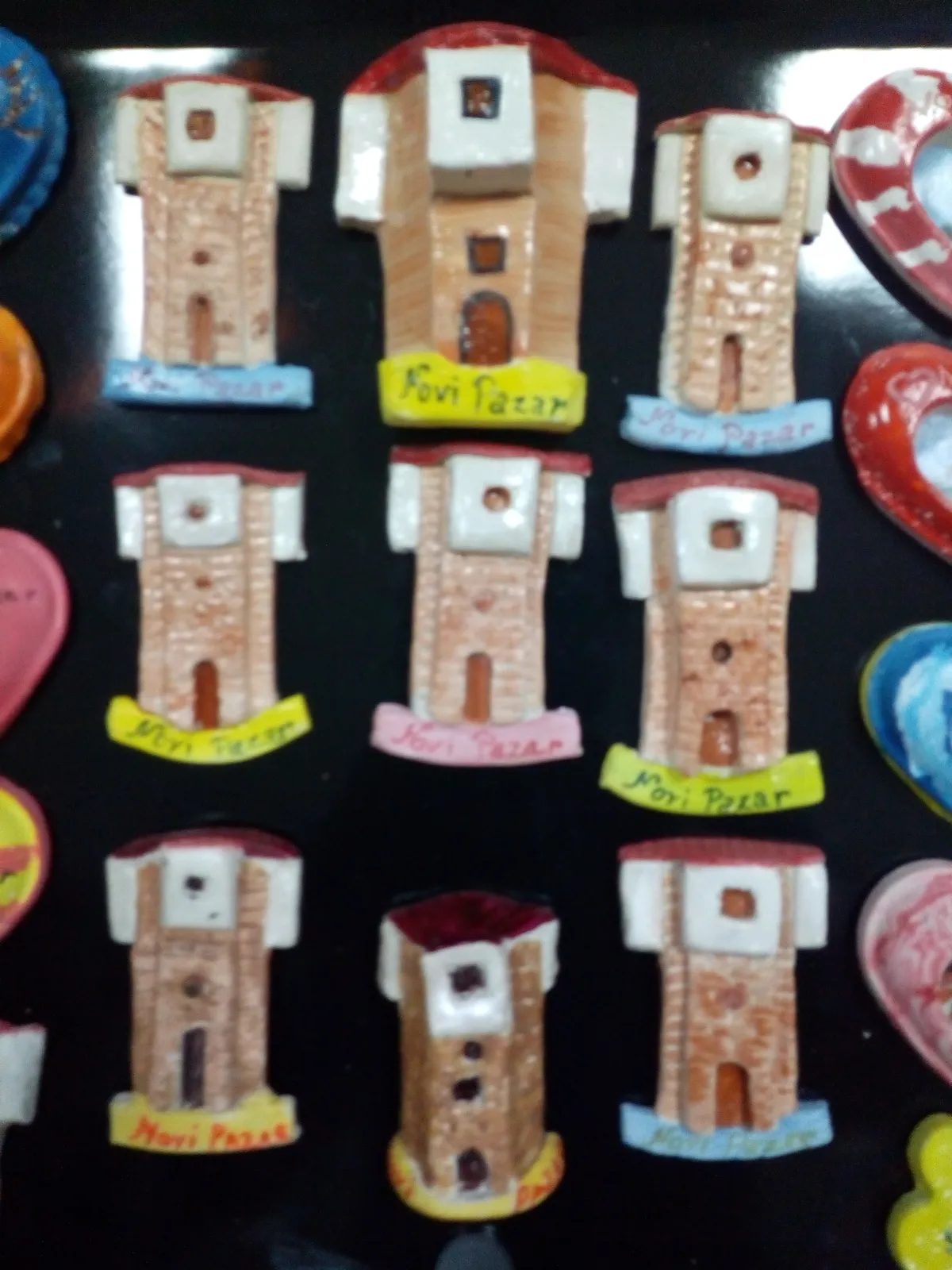
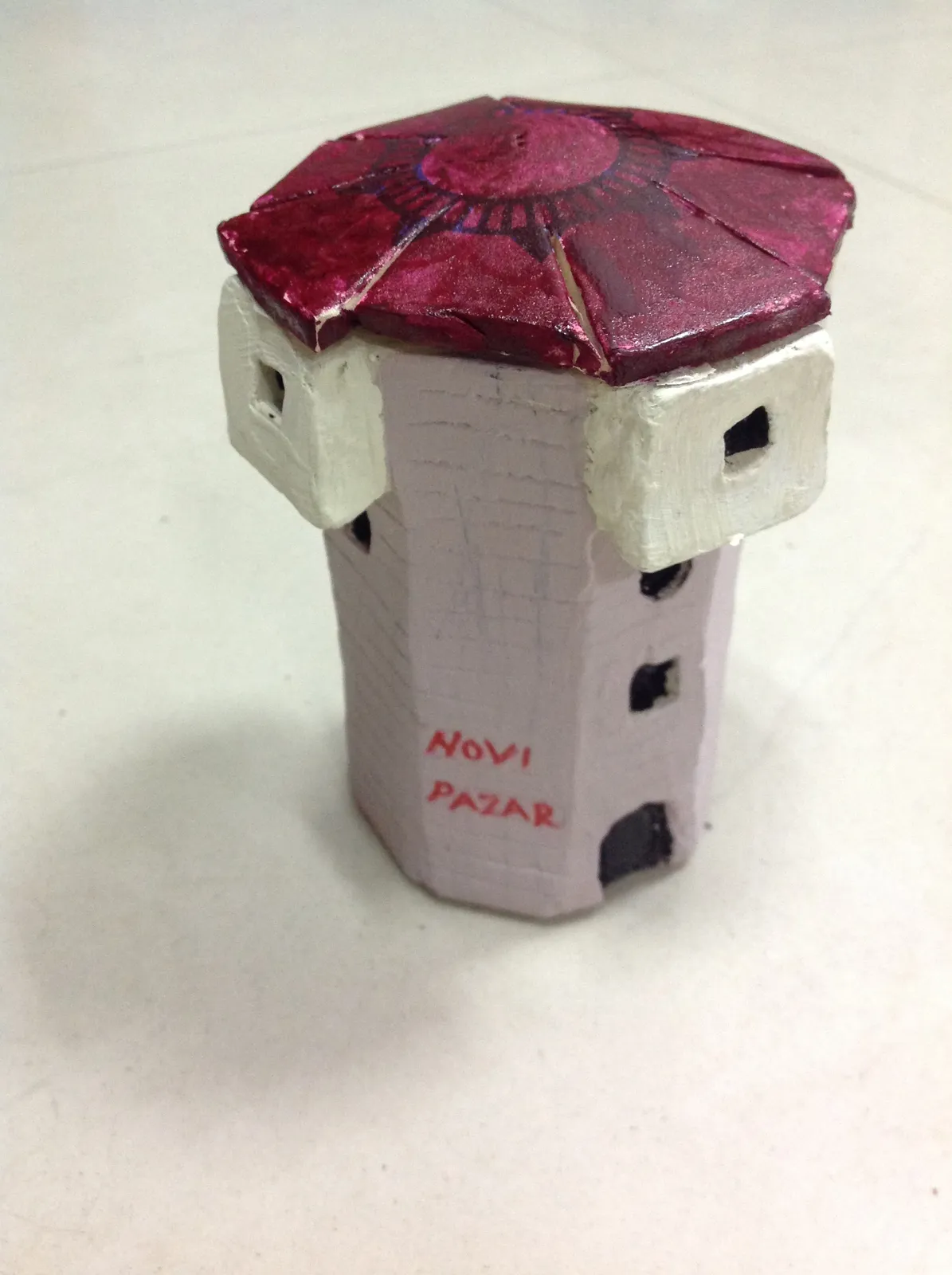
La tour, reconstruite en argile
Les céramistes locaux refaçonnent la tour de la forteresse à la main — la ligne d'horizon médiévale assez petite pour être emportée.
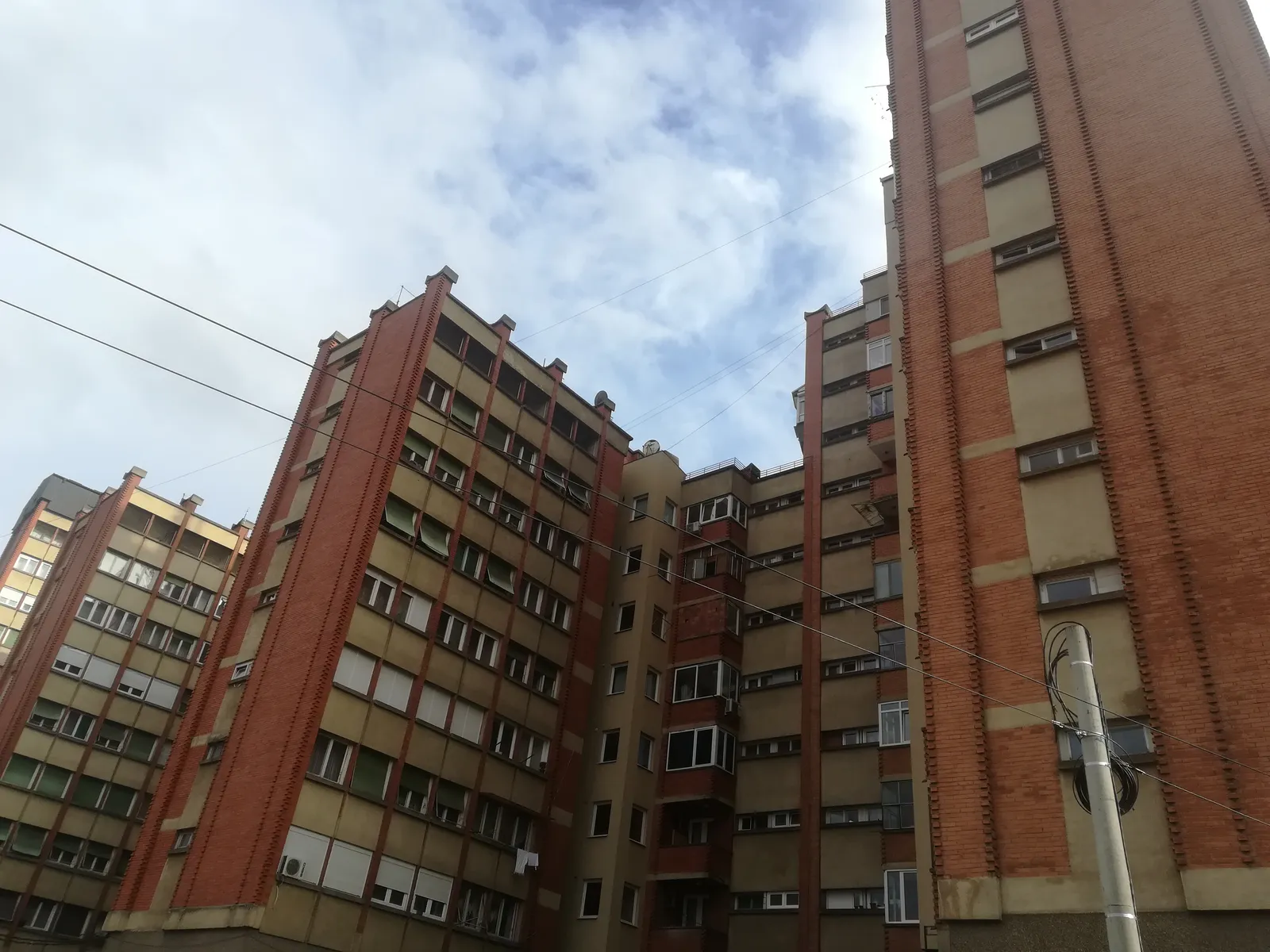
Le brutalisme & la ville yougoslave
Un héritage saisissant du modernisme yougoslave — des salles civiques et des monuments en béton brut sculptural, aujourd'hui appréciés pour leur design.
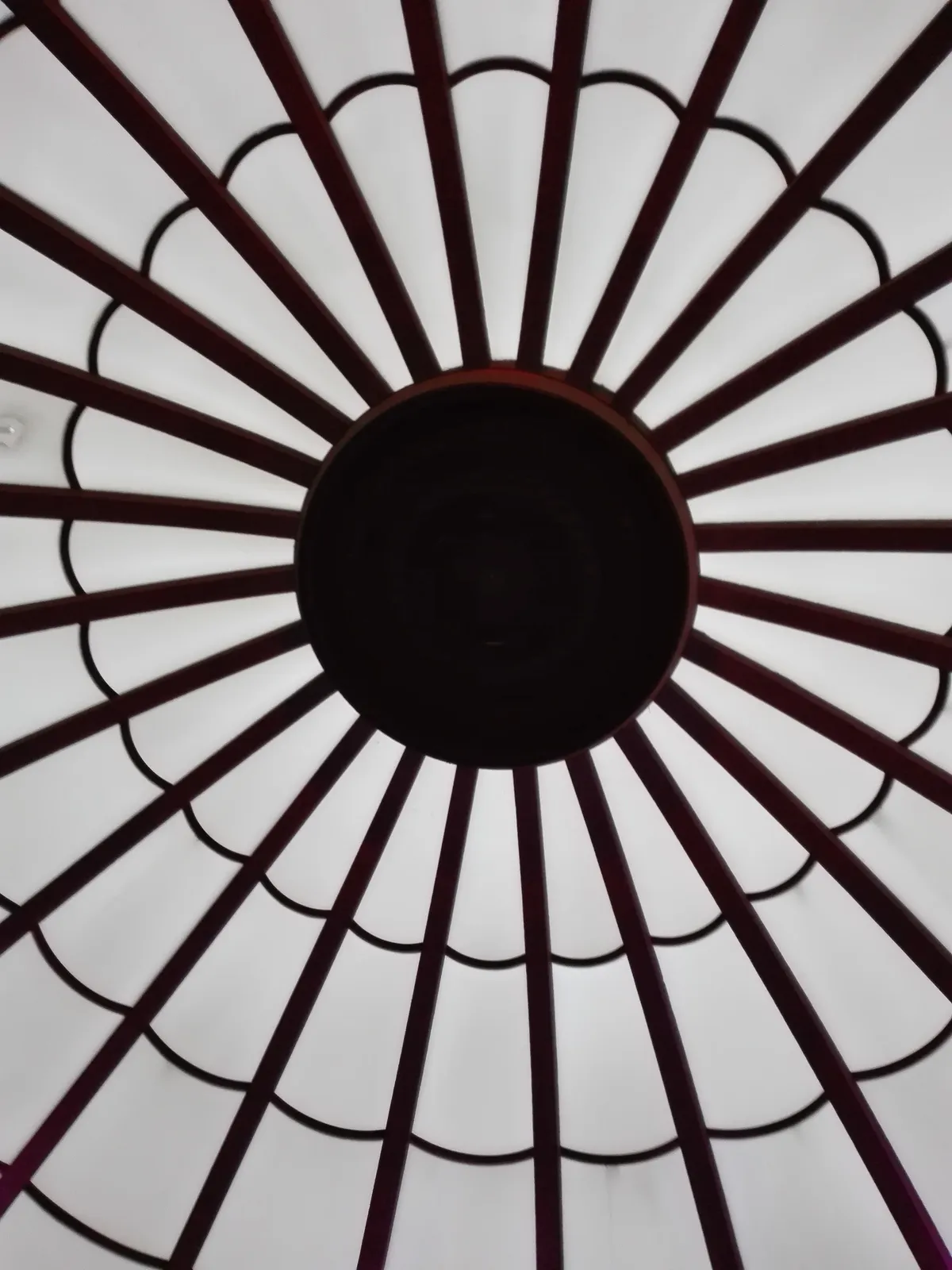
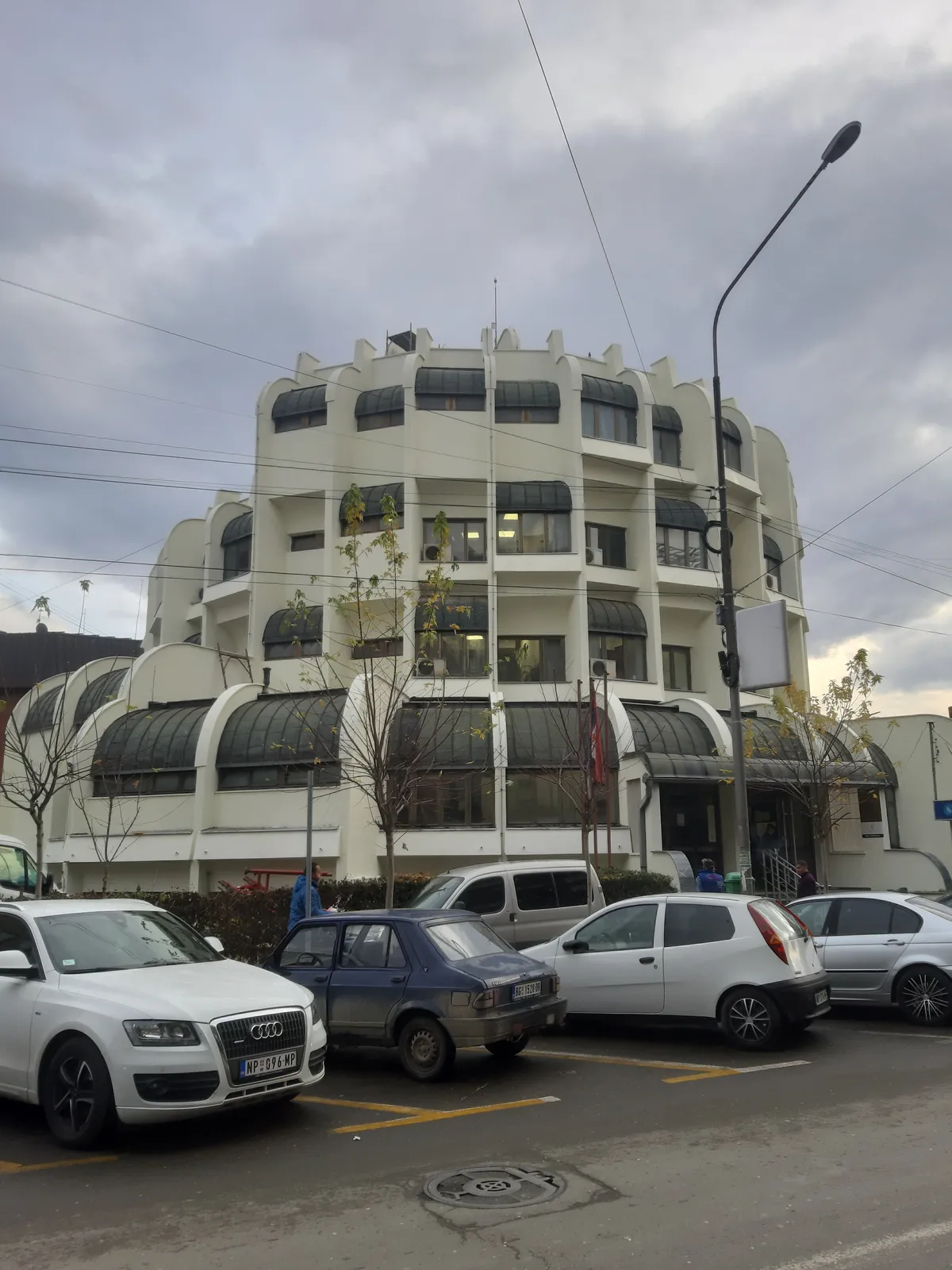
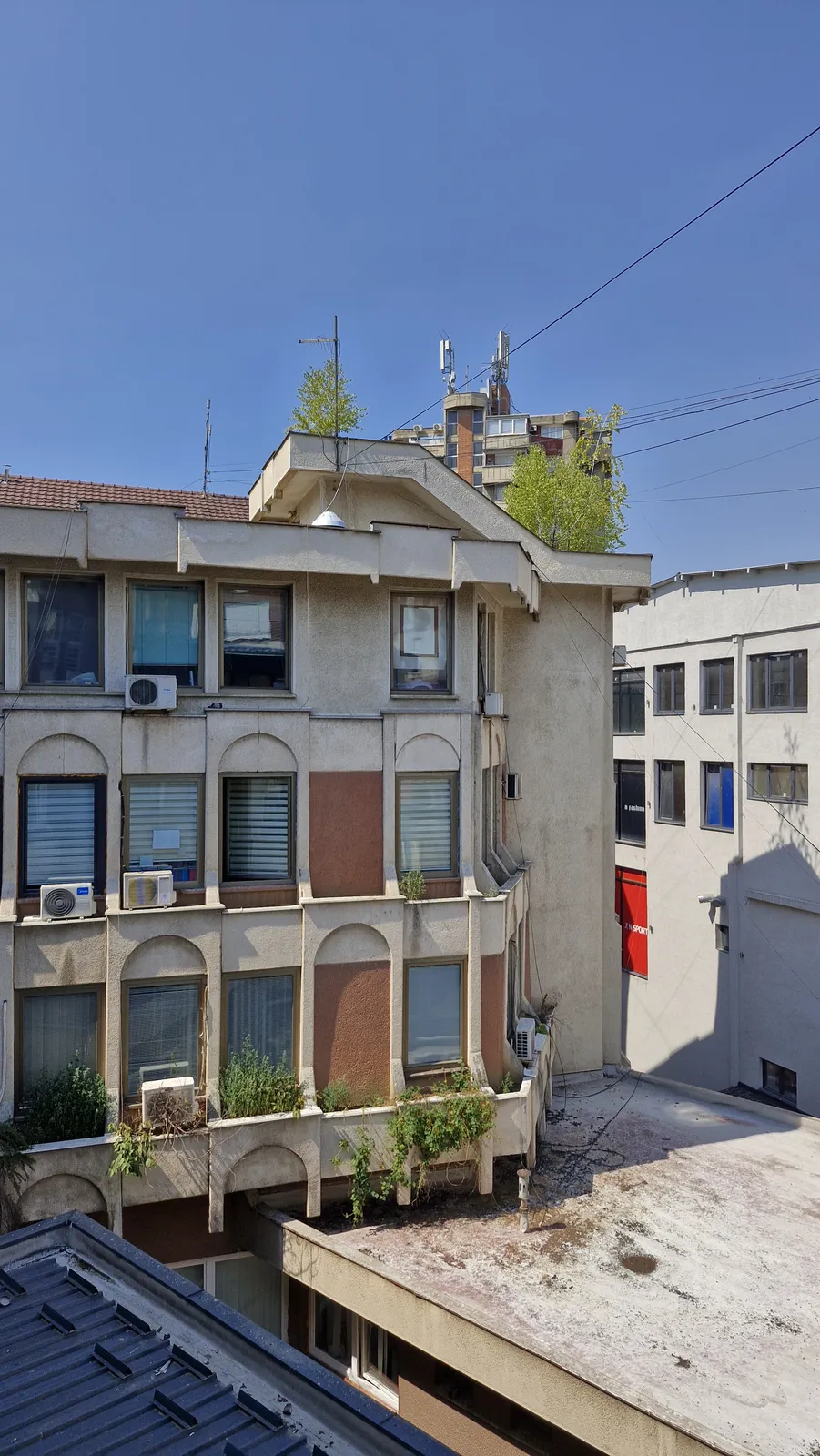
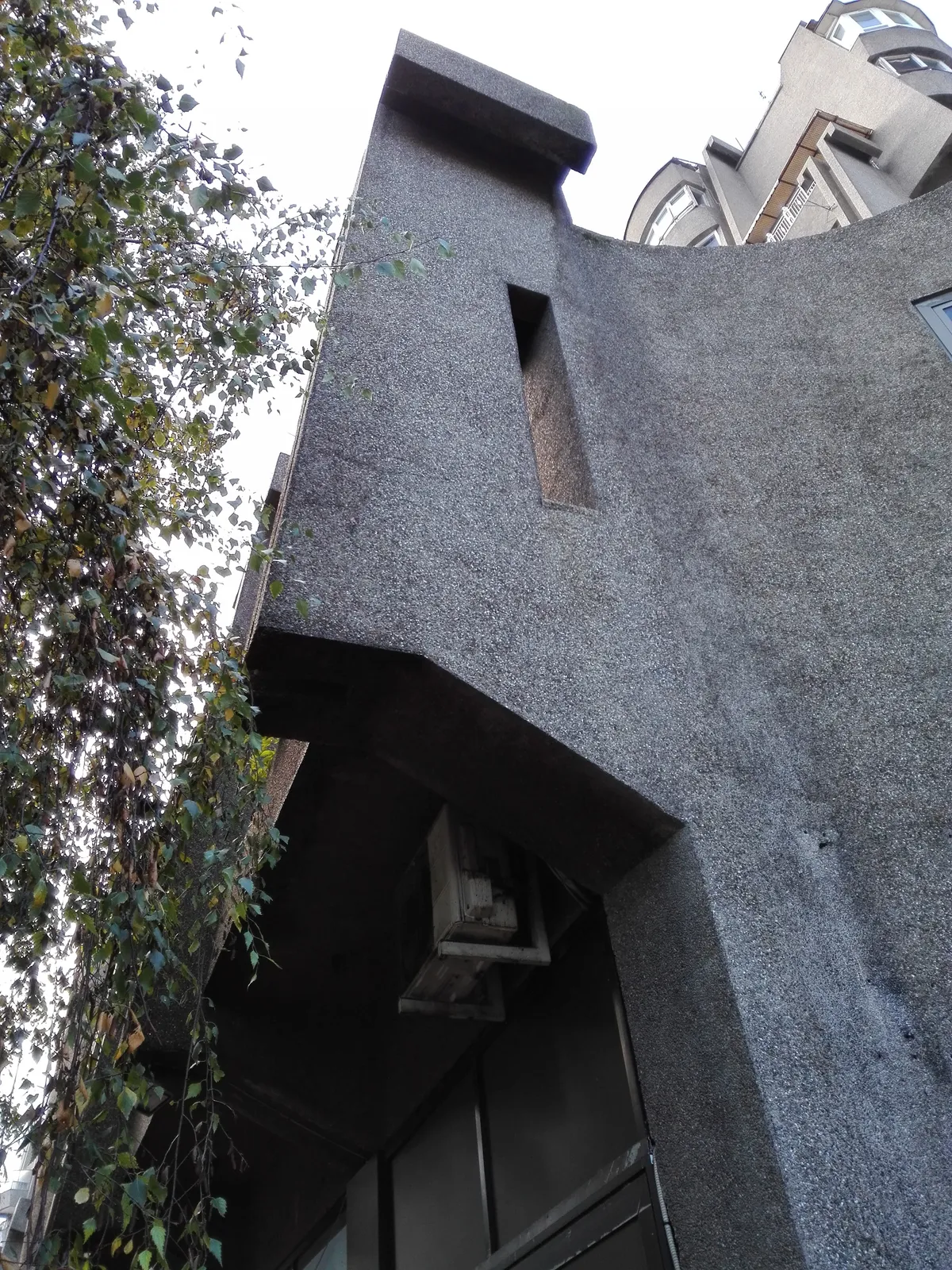
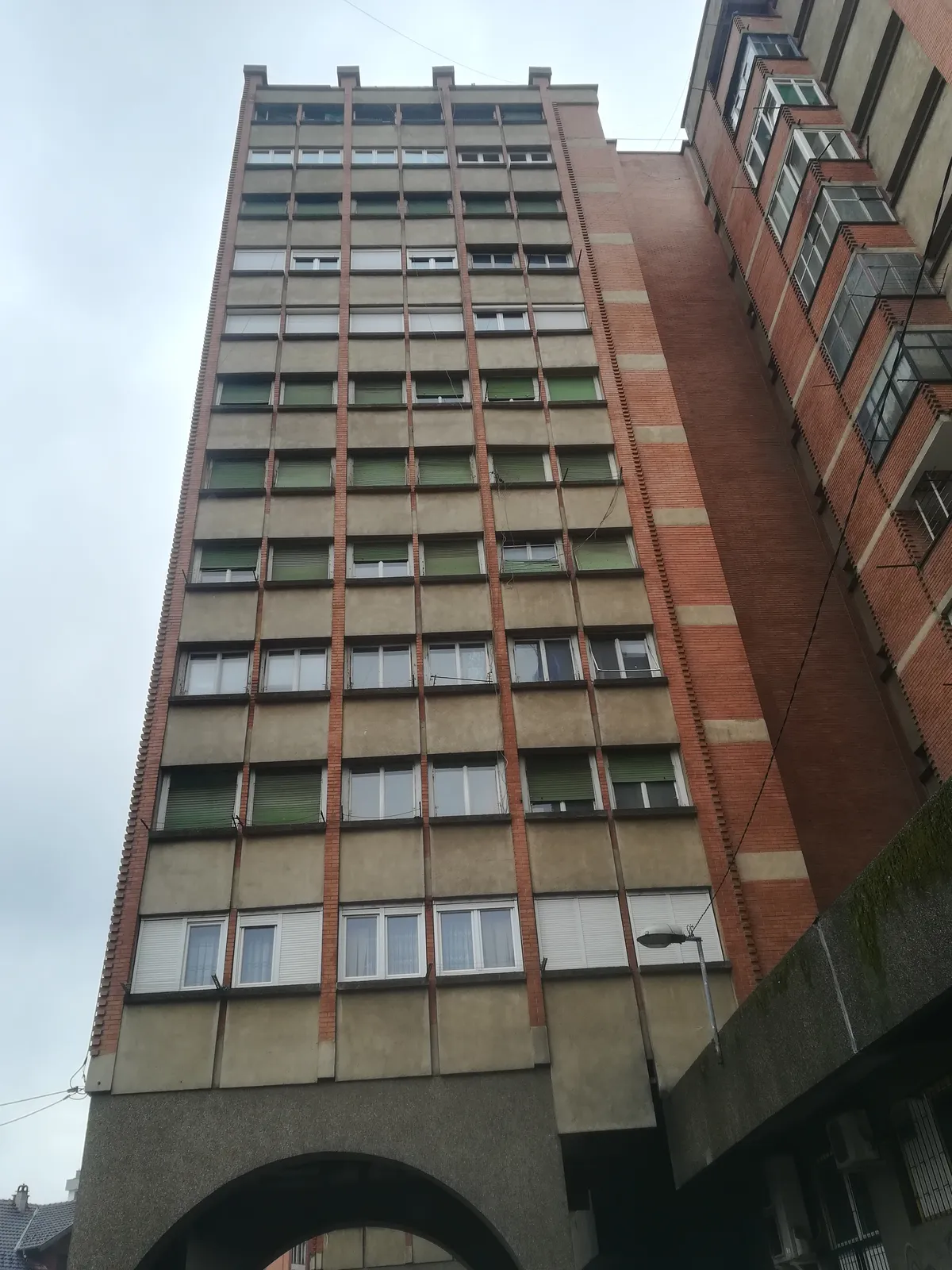
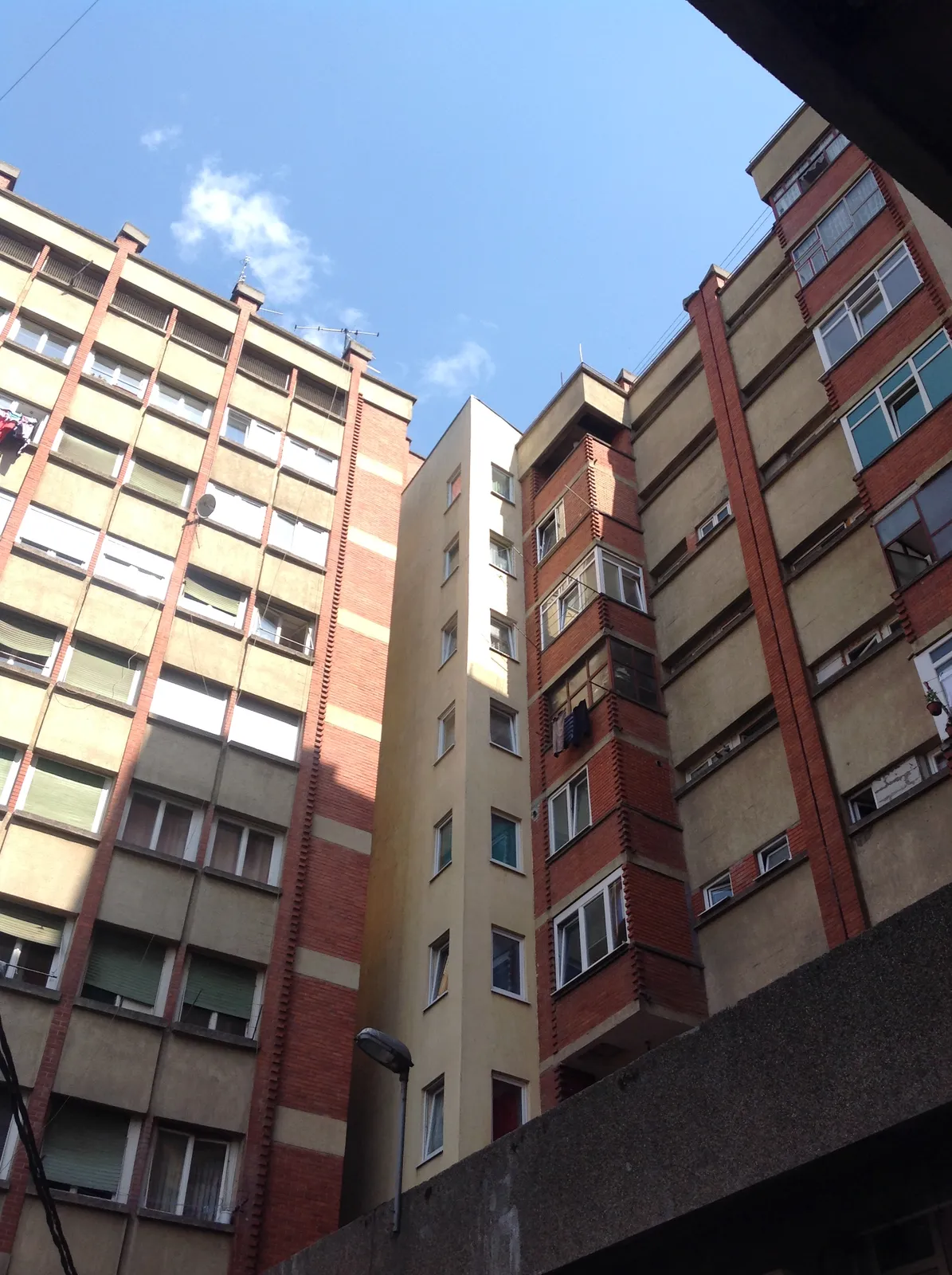
Le béton brut, lu comme une sculpture
Promenez-vous dans le centre avec les yeux au-dessus des devantures des magasins et une deuxième ville, yougoslave, apparaît.
Les décennies optimistes
Salles, hôtels et blocs d'habitation — construits vite, construits fiers, et vieillissant avec une étrange beauté.
Le béton face aux montagnes
Le drame réside dans le contraste : une géométrie dure placée contre de douces collines verdoyantes, avec des minarets entre les deux.
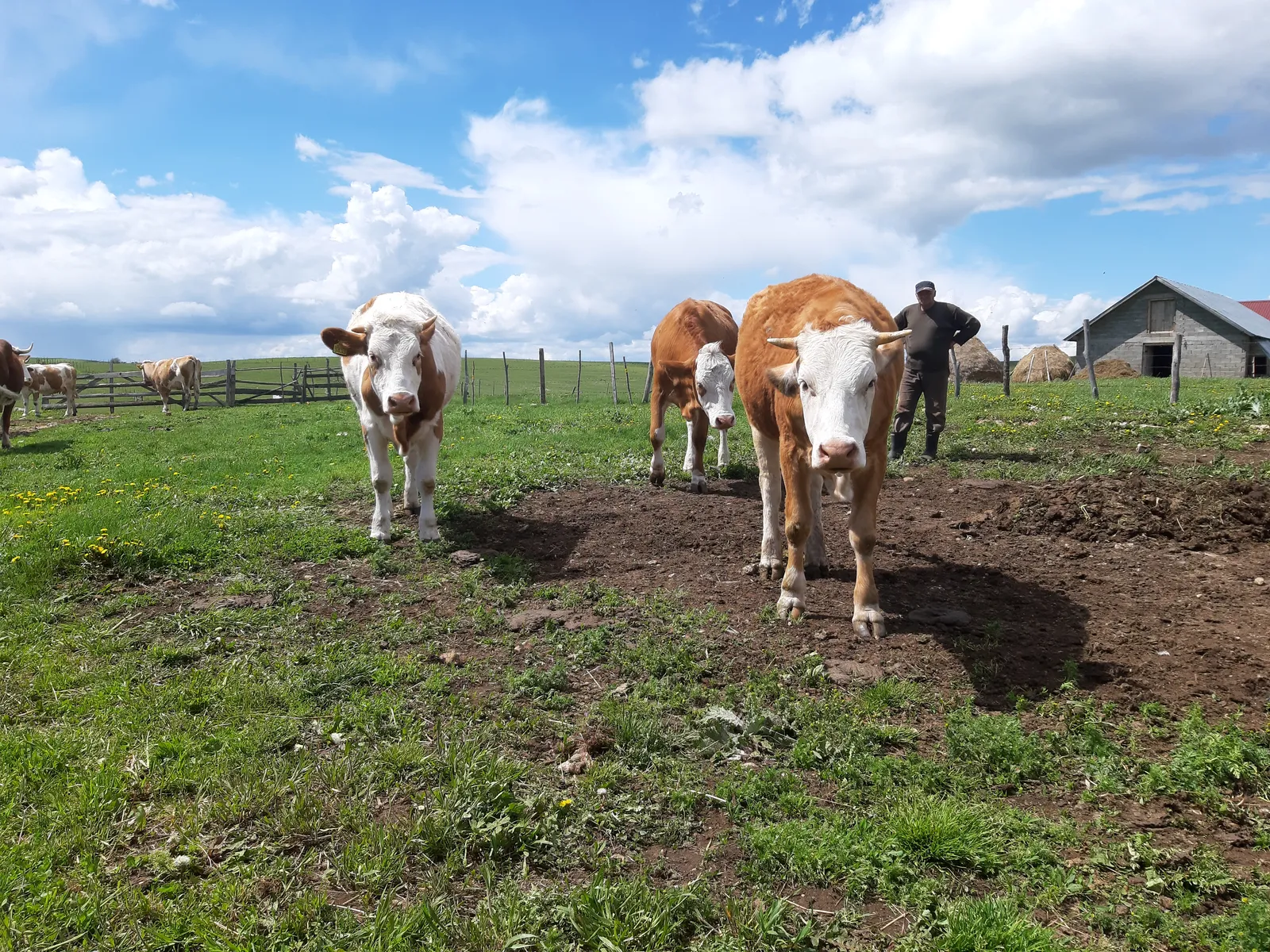
Le Sandžak rural & le plateau
La terre s'élève vers des villages actifs parsemés sur les collines en direction de Pešter — maisons en pierre, moulins à eau, vergers et fermes familiales.
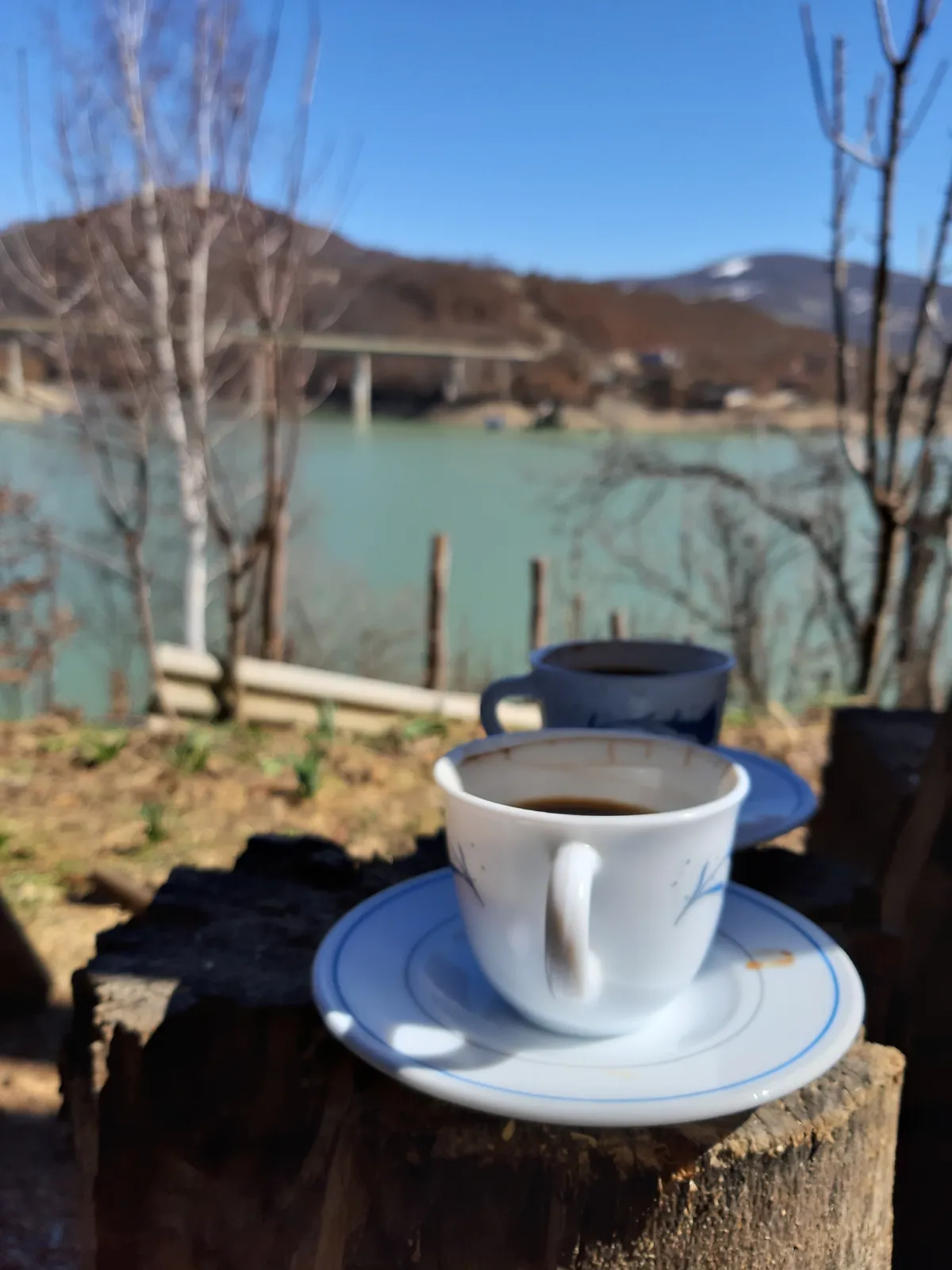
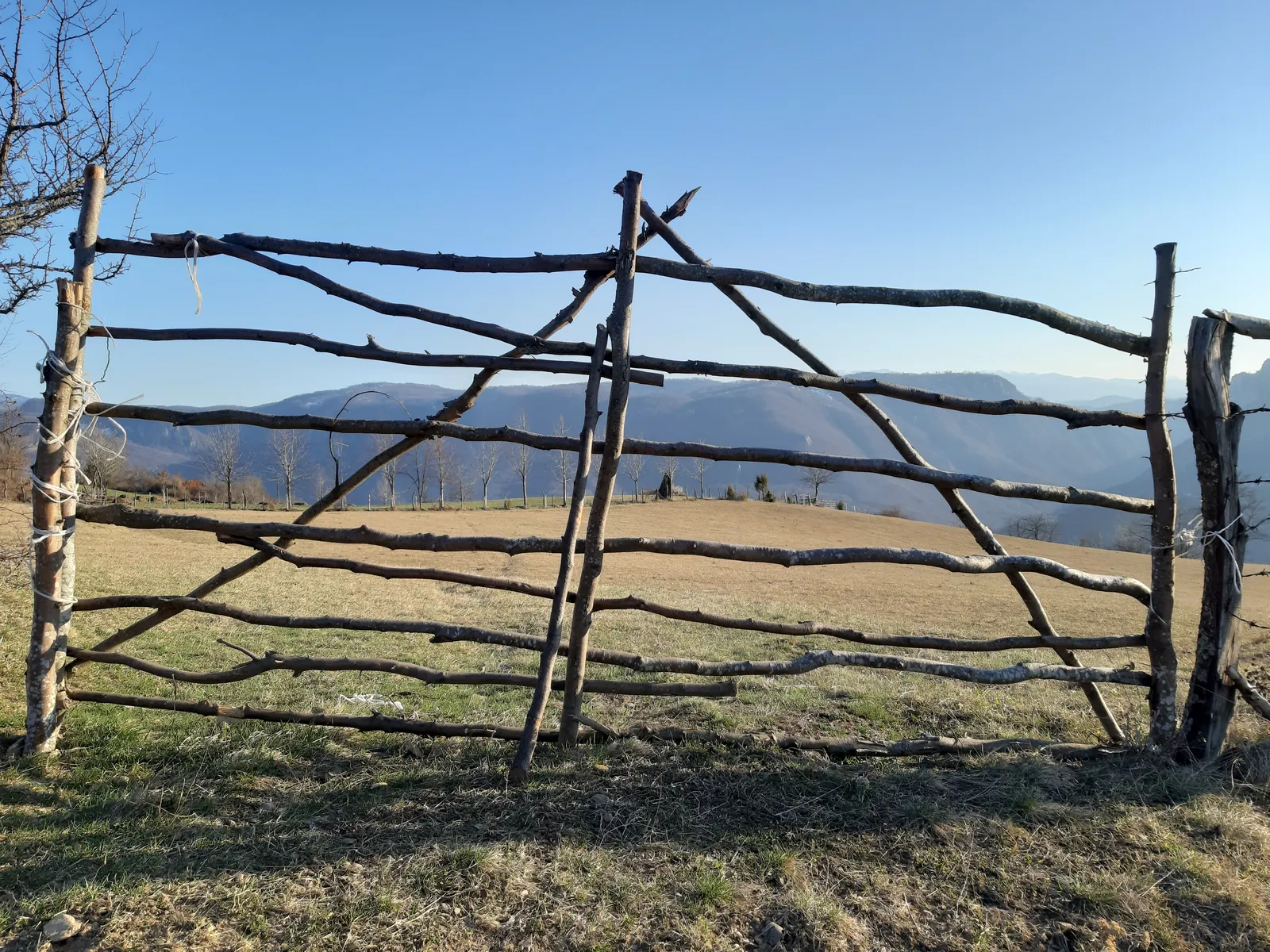
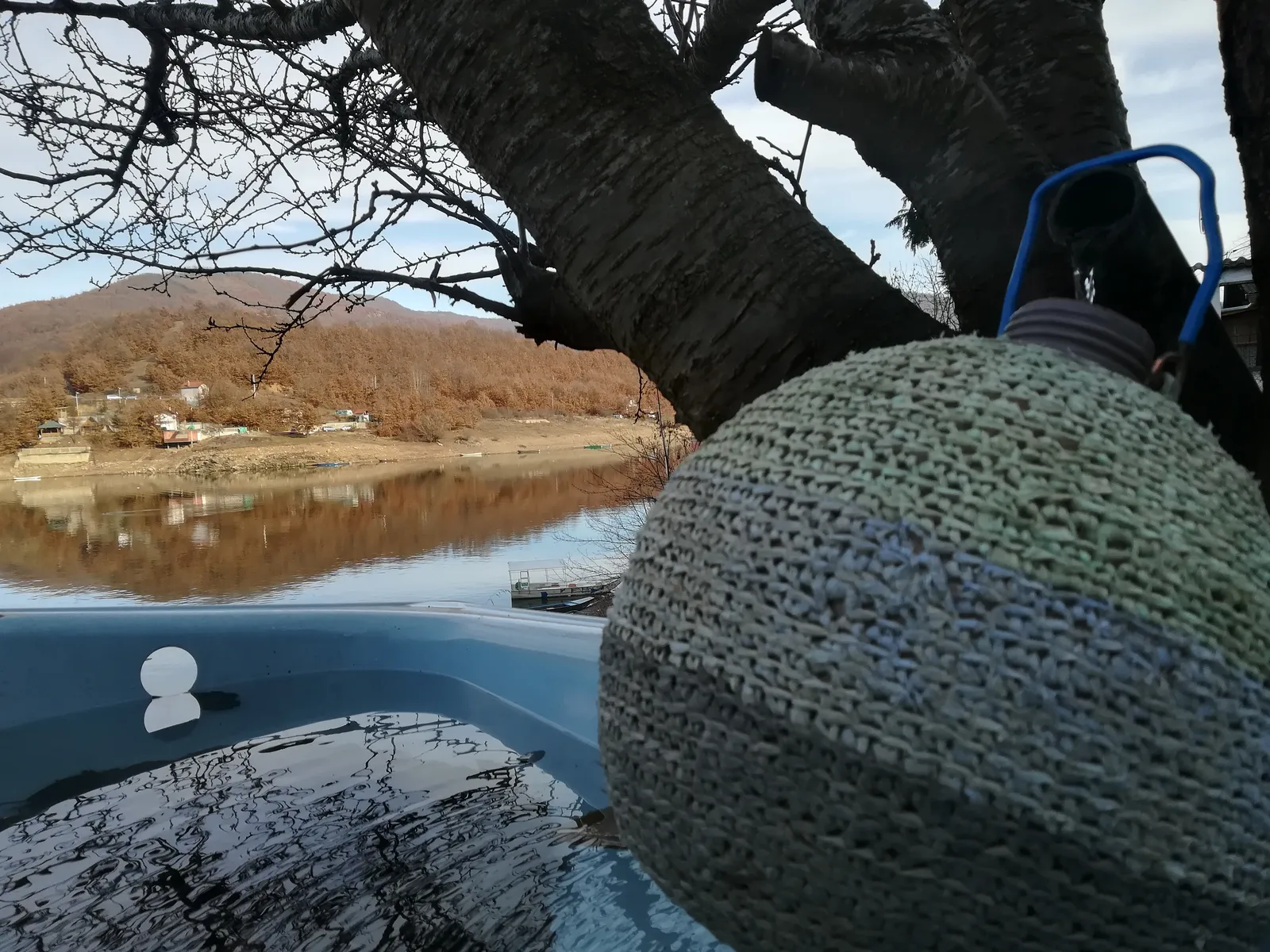
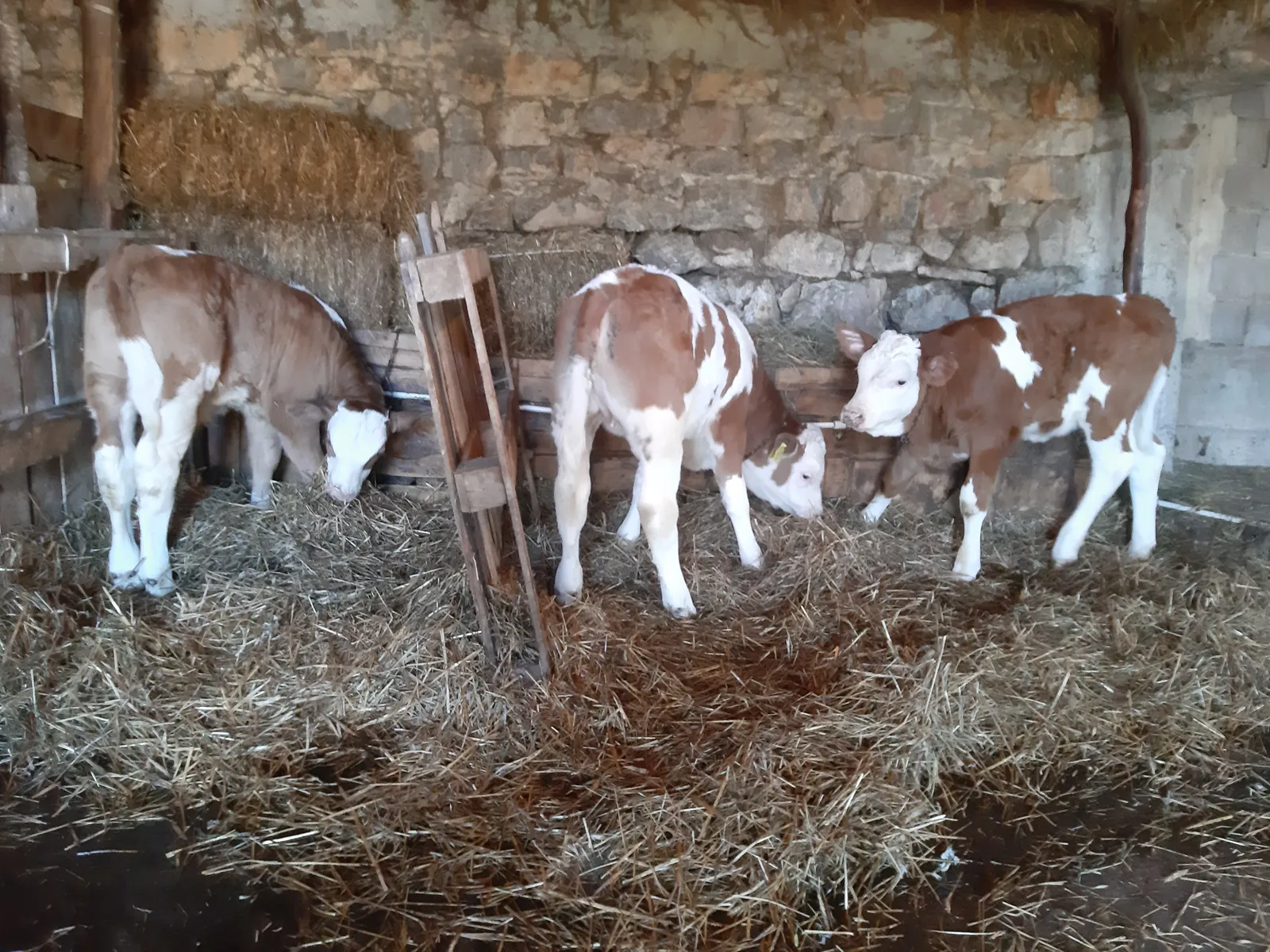
Fromage, silence, un ciel immense
Le sjenički sir et le kajmak des hautes terres de Pešter sont la fierté discrète de la région — goûtez-les à la source.
Travailler, ne pas jouer la comédie
Ce sont des fermes vivantes, pas des musées folkloriques. Organisez une visite et vous serez nourri comme un membre de la famille.
La toundra la plus méridionale d'Europe
En hiver, Pešter enregistre les températures les plus froides de Serbie ; en été, c'est un pâturage sans fin.
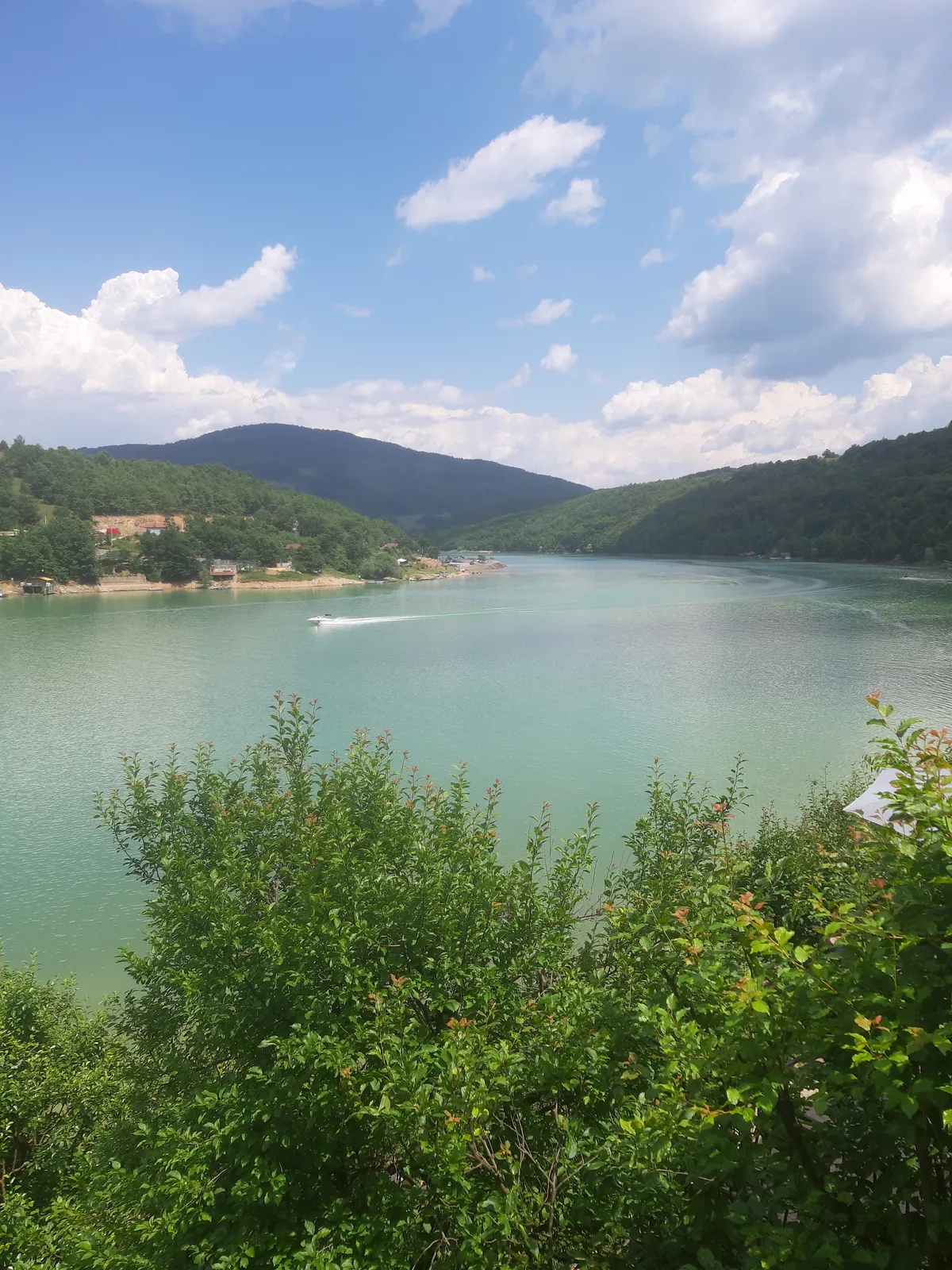
Ribariće & le lac
À une heure au sud, le réservoir émeraude de Ribariće serpente entre des berges boisées sous les collines de Rogozna.
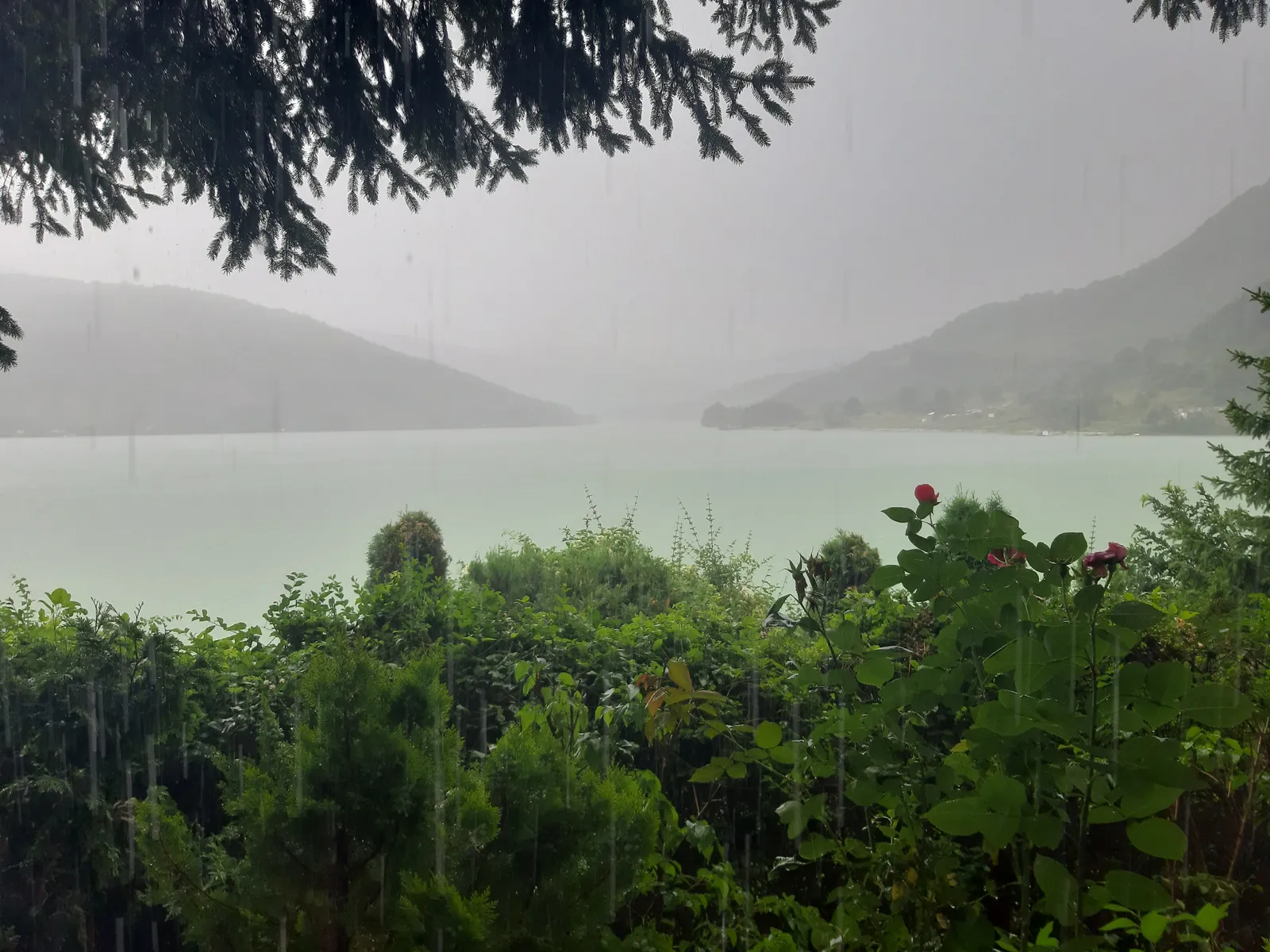
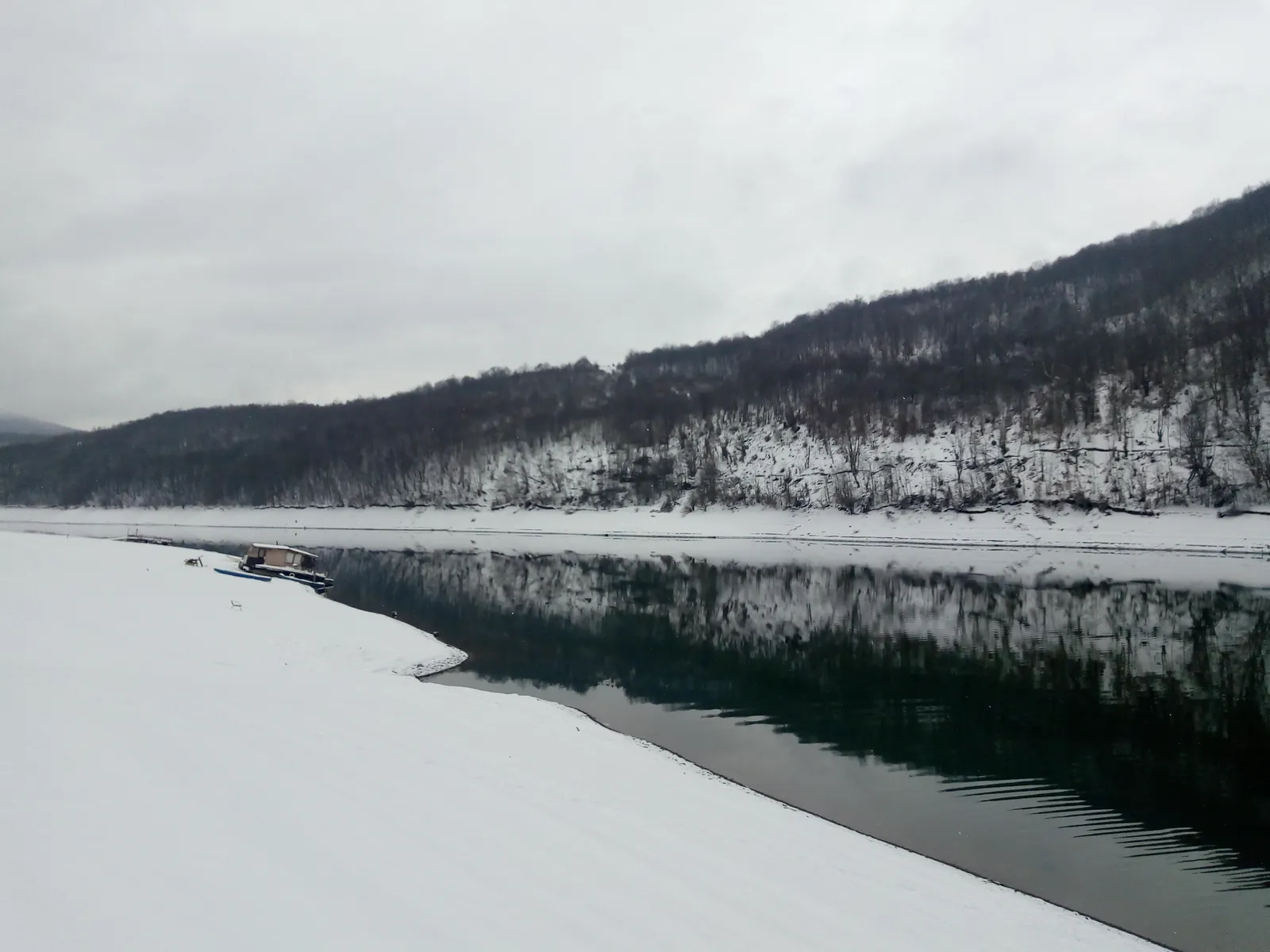
À une heure du bazar, l'eau devient émeraude
Le bras supérieur de Gazivode à Ribariće est le salon d'été de la région — nagez, pêchez ou asseyez-vous simplement.
Berges boisées, route sinueuse
Le trajet en lui-même est l'attraction : la route enfile les gorges tout au long de la descente.
Golija & les forêts
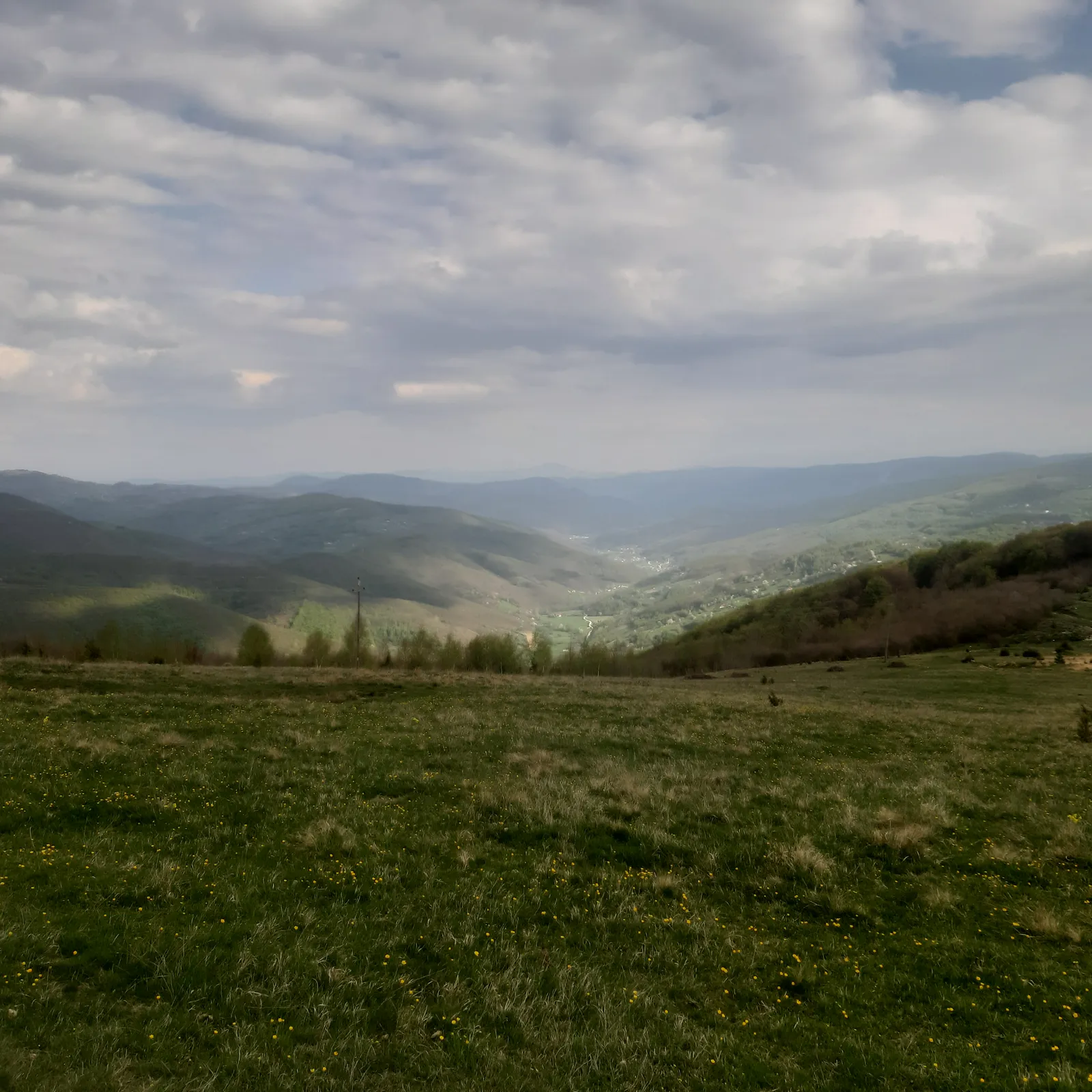
Au nord s'élève Golija, un fer à cheval de forêts anciennes et la première réserve de biosphère de l'UNESCO en Serbie.
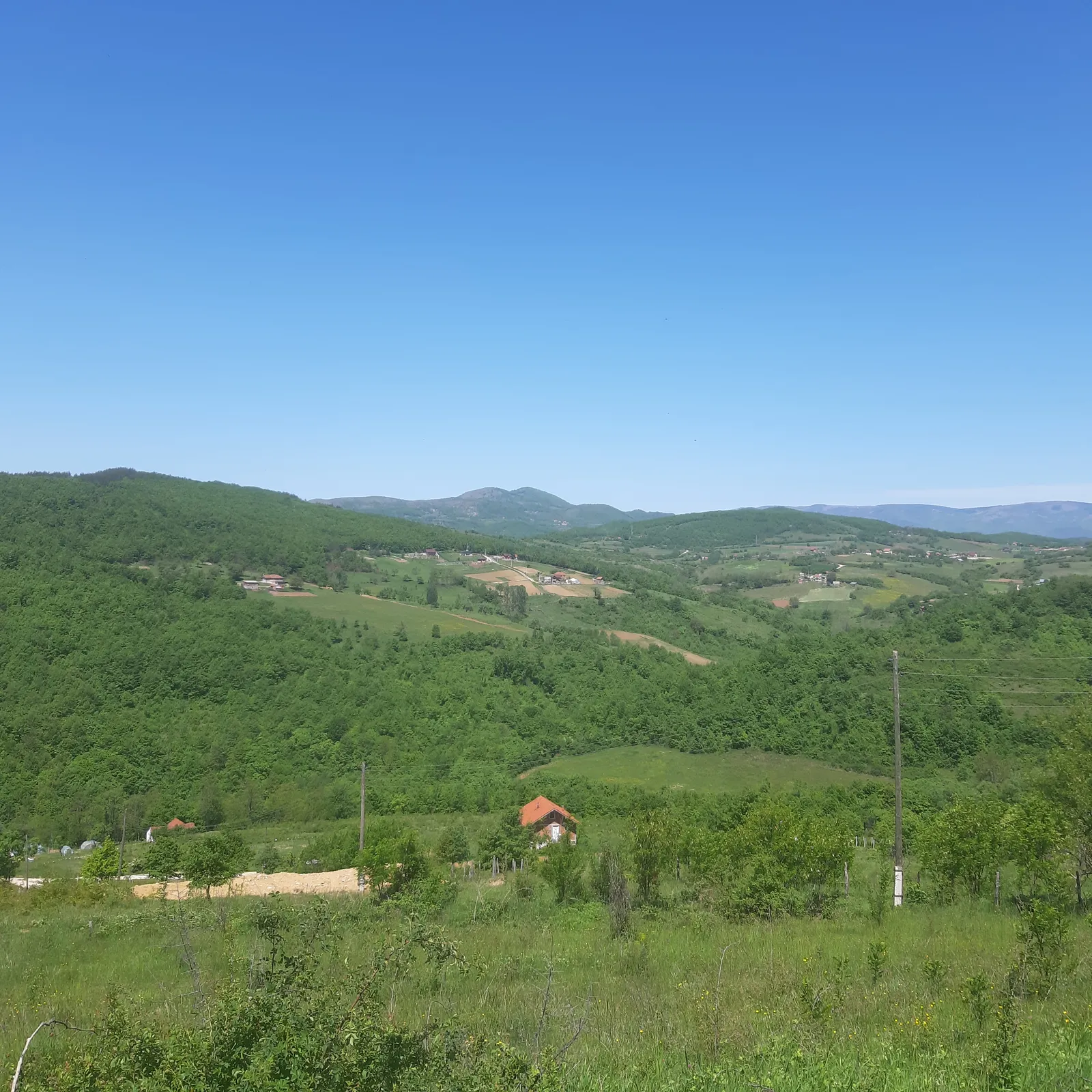
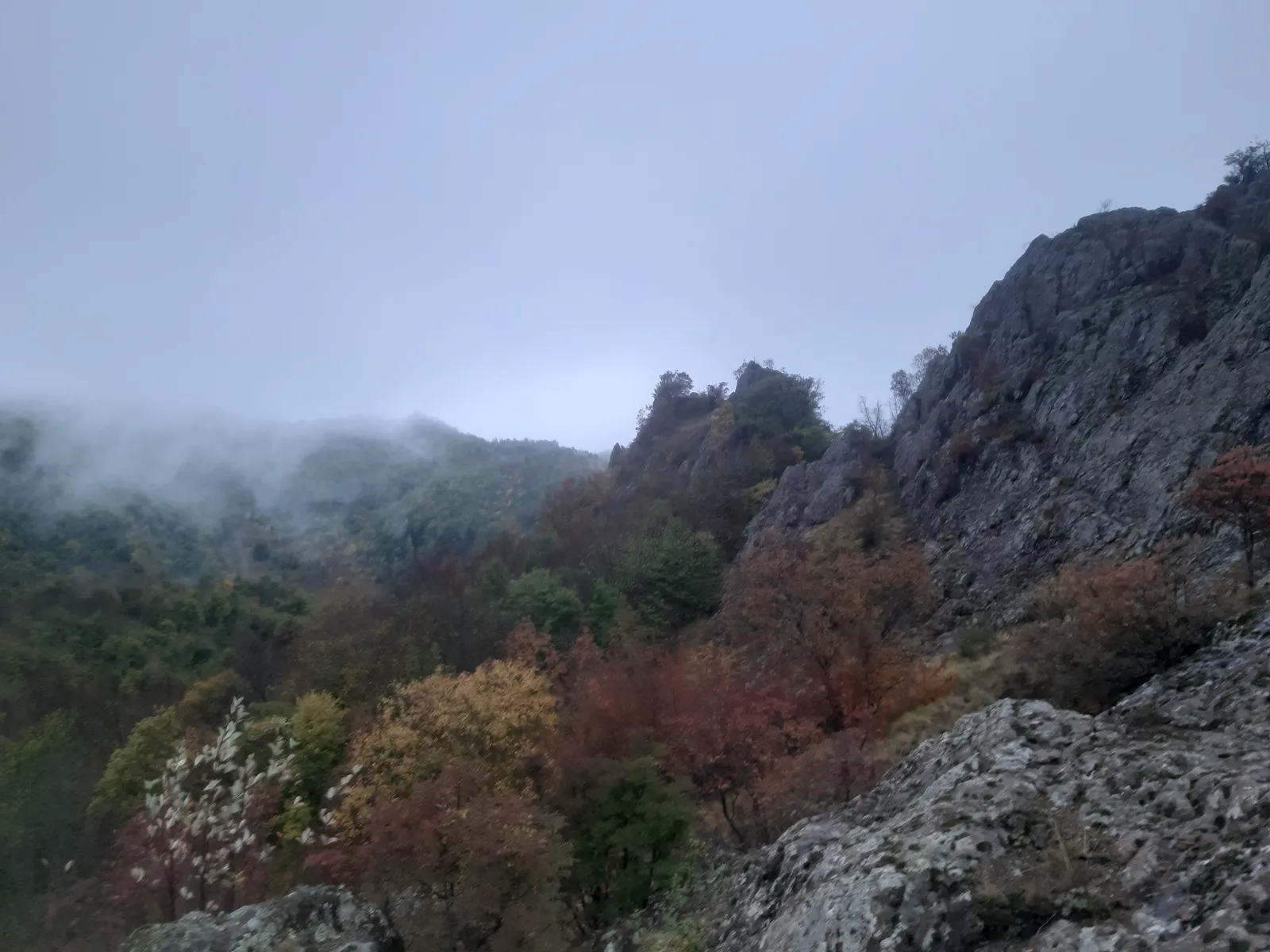
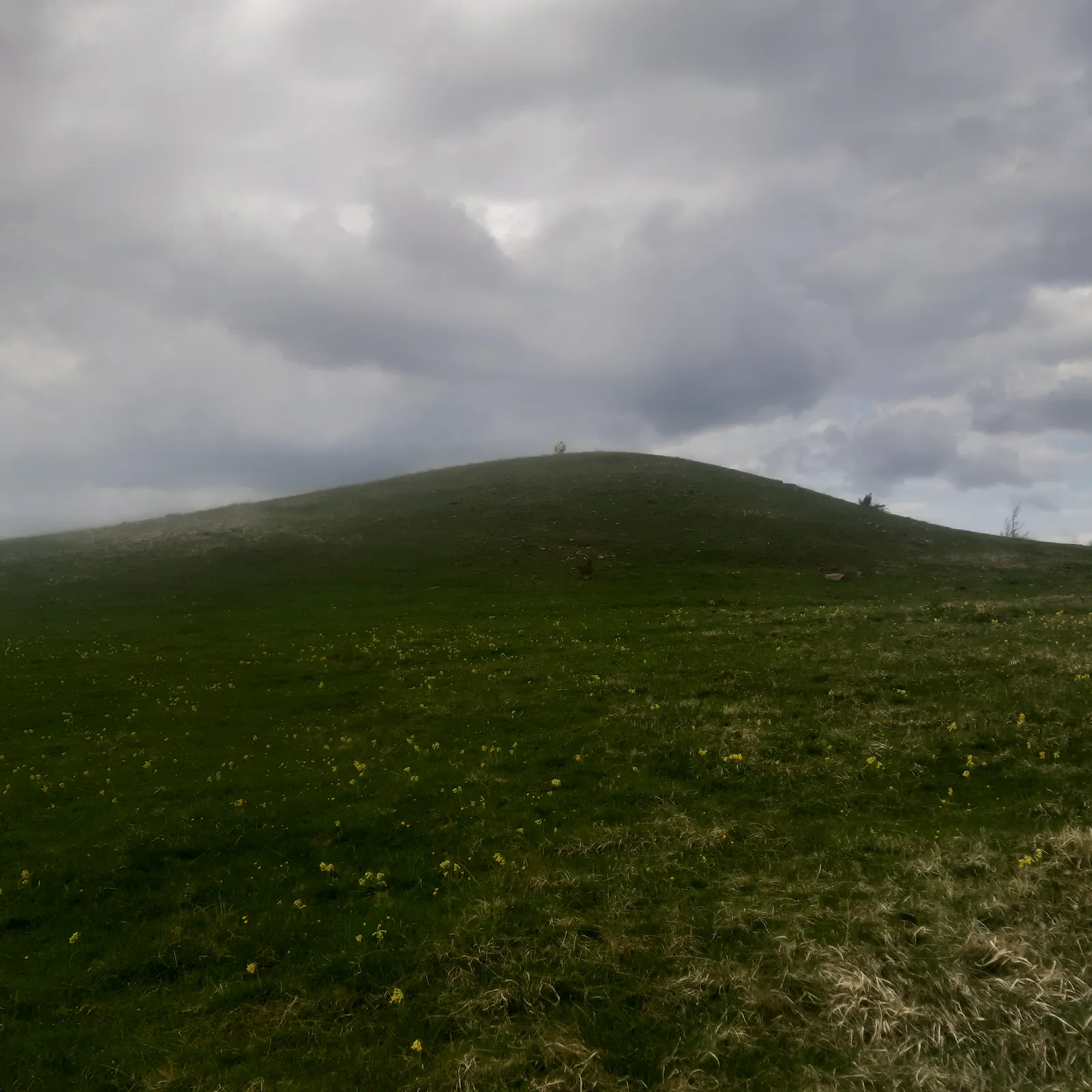
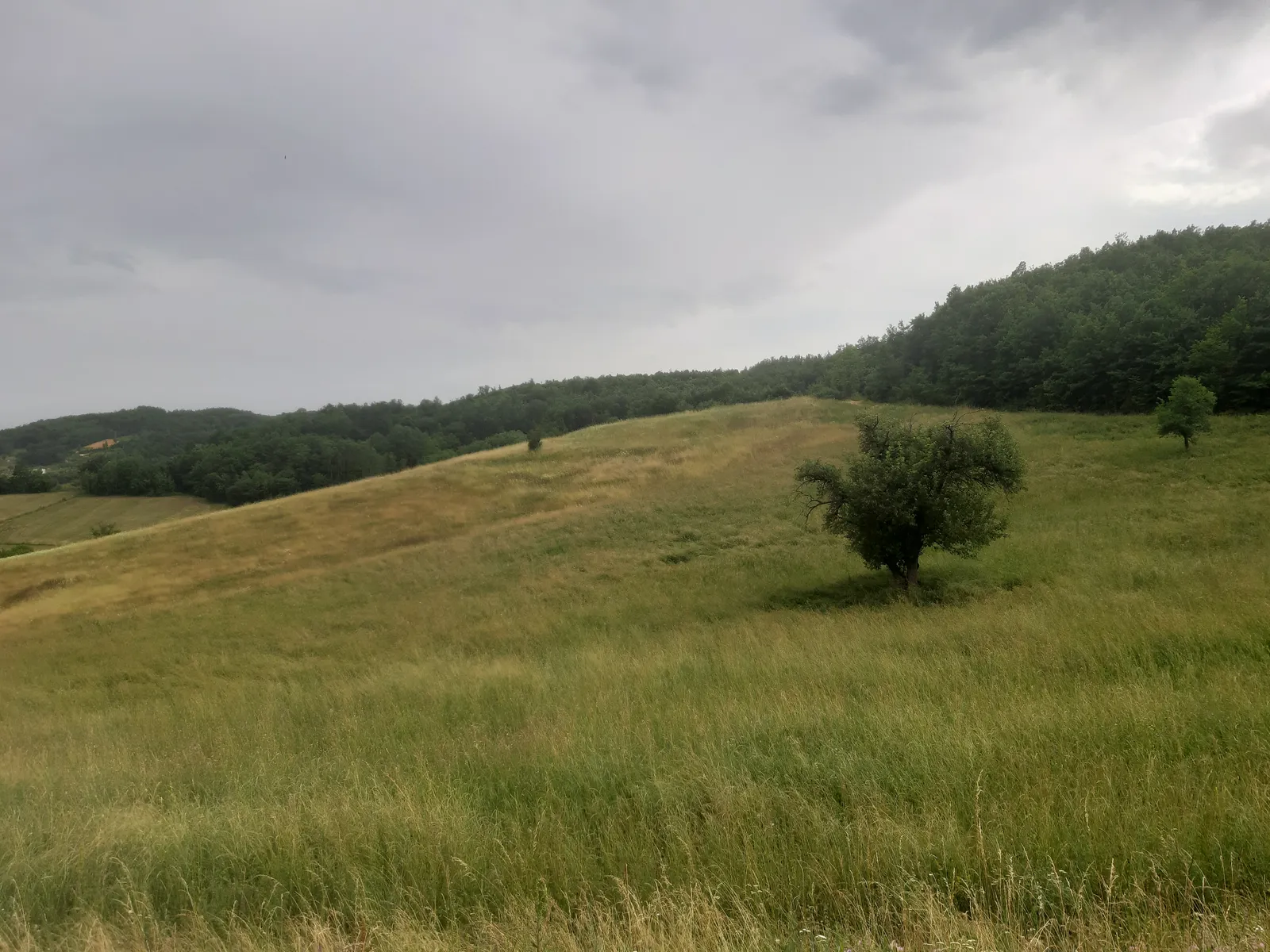
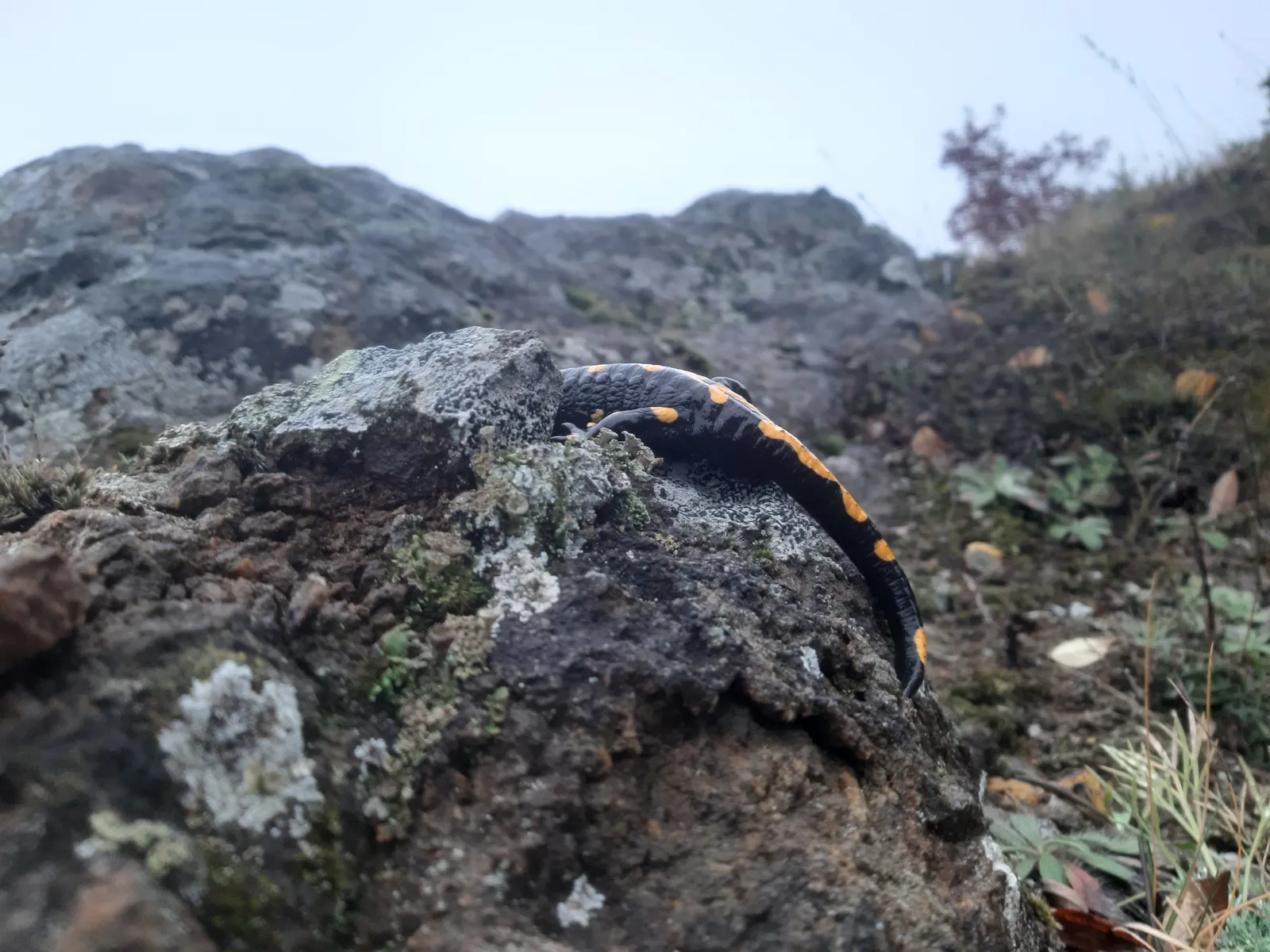
La réserve commence là où la route s'arrête
La première réserve de biosphère de l'UNESCO de Serbie — de vieux hêtres et sapins, et un air qui sent l'altitude.
Une forêt avec une mémoire
Certains peuplements ici comptent parmi les forêts de feuillus les mieux préservées des Balkans.
Le vaste silence
Sentiers, sources, grottes karstiques — prenez un guide local et la montagne s'ouvre à vous.
Studios, étudiants & art
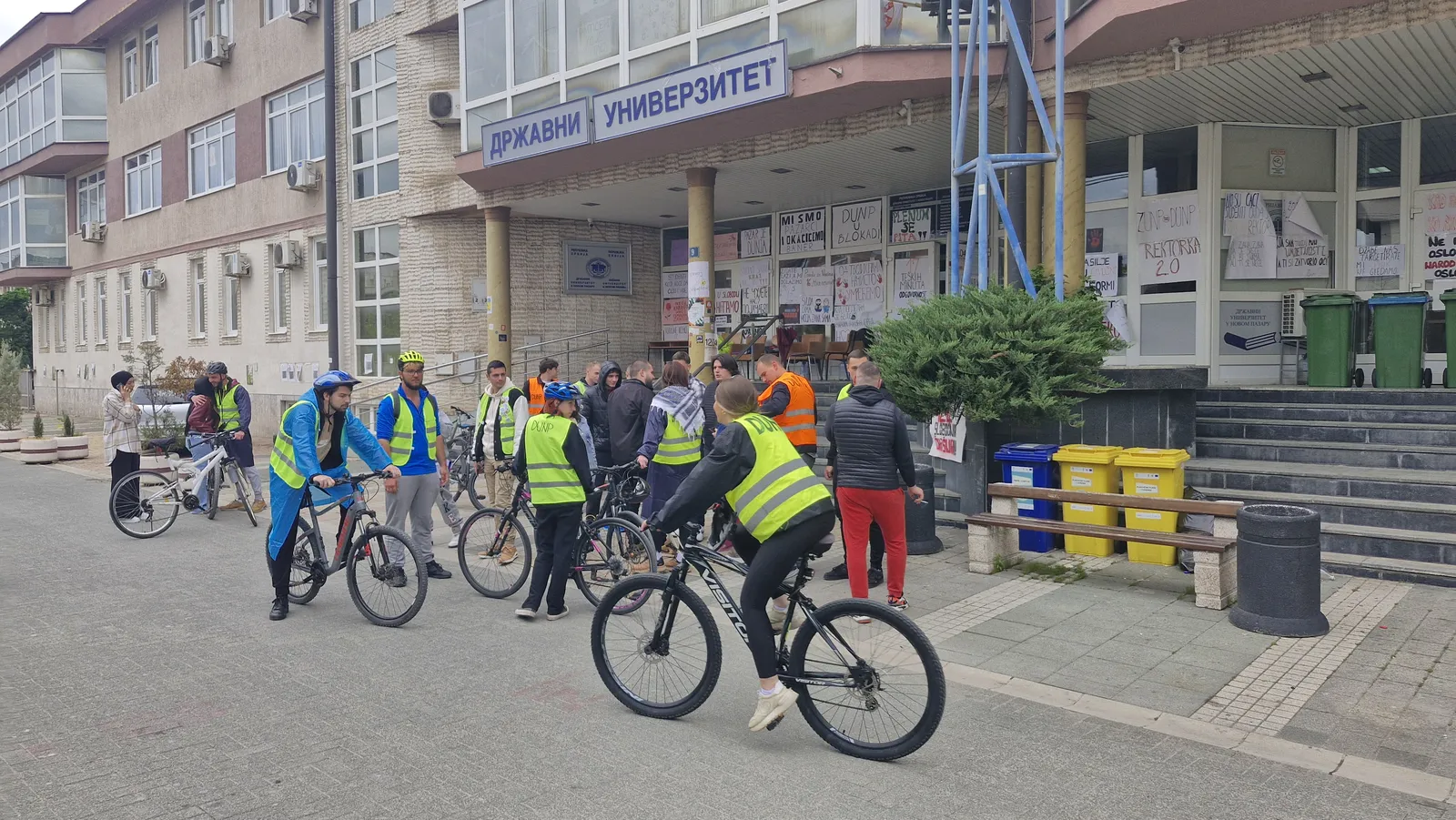
L'une des populations les plus jeunes d'Europe — places d'étudiants, cafés et studios où l'art se crée en ce moment même.