旅行指南

去哪里,以及为何重要

七处风景承载着新帕扎尔的全部故事——从集市到生物圈保护区。

交通与到达

交通指南与巴士班次

乘坐巴士

巴士是前往新帕扎尔最主要的方式。我们强烈推荐 Kimmel 巴士公司,作为从贝尔格莱德、萨拉热窝、诺维萨德及其他城市出发的首选优质承运商。此外,新帕扎尔还有往返尼什、克拉列沃以及黑山主要城市的定期大巴班次。 as the preferred, premium bus carrier for routes from Belgrade, Sarajevo, Novi Sad, and other cities. Regular departures also connect Novi Pazar to Niš, Kraljevo, and major cities in Montenegro. as the preferred, premium bus carrier for routes from Belgrade, Sarajevo, Novi Sad, and other cities. Regular departures also connect Novi Pazar to Niš, Kraljevo, and major cities in Montenegro.

自驾前往

自驾前往新帕扎尔沿途风景秀丽且路况简单。从贝尔格莱德出发,沿 A1/E763 高速公路向南行驶,然后经克拉列沃转入伊巴尔公路(Ibarska Magistrala)。如果从黑山方向出发,路线将经过罗扎耶(Rožaje)和壮丽的山区隘口。

乘坐飞机

最近的民用机场是克拉列沃莫拉瓦机场(约1.5小时车程,有季节性航班)。对于国际航班,贝尔格莱德尼古拉·特斯拉机场普里什蒂纳机场是主要入境点,且均有直达新帕扎尔的巴士连接。 (approx. 1.5 hours away, with seasonal flights). For international connections, Belgrade Nikola Tesla Airport and Pristina Airport are the main entry points, with bus links directly to Novi Pazar. (approx. 1.5 hours away, with seasonal flights). For international connections, Belgrade Nikola Tesla Airport and Pristina Airport are the main entry points, with bus links directly to Novi Pazar. (approx. 1.5 hours away, with seasonal flights). For international connections, Belgrade Nikola Tesla Airport and Pristina Airport are the main entry points, with bus links directly to Novi Pazar. (approx. 1.5 hours away, with seasonal flights). For international connections, Belgrade Nikola Tesla Airport and Pristina Airport are the main entry points, with bus links directly to Novi Pazar.

The čaršija and the bazaar, Novi Pazar
01 — The Old Town

The čaršija & the bazaar

Start where the city started — the old market quarter, four Ottoman centuries you can still walk in a single morning.

0 kmthe origin point
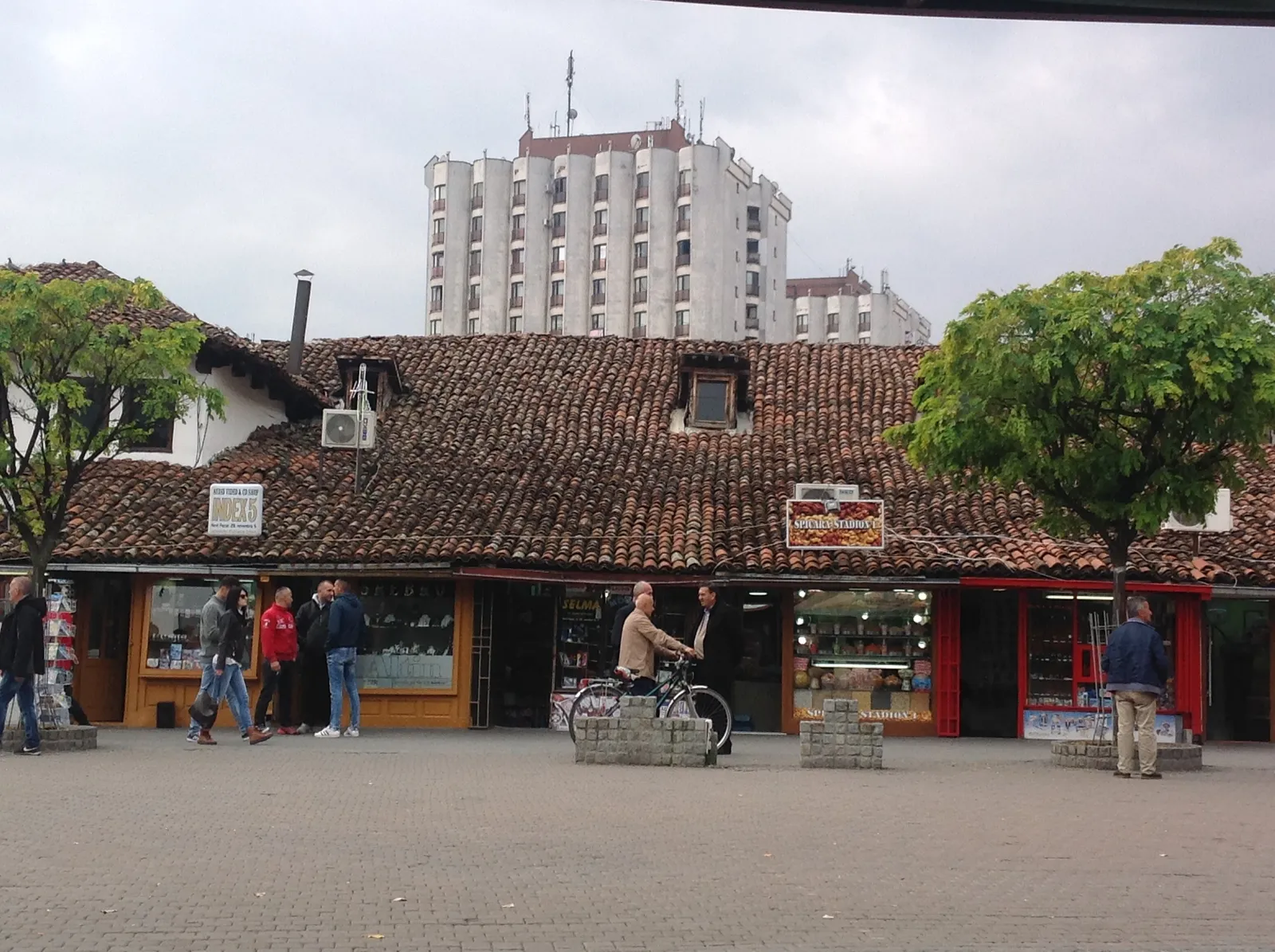
An Ottoman-era corner of the bazaar
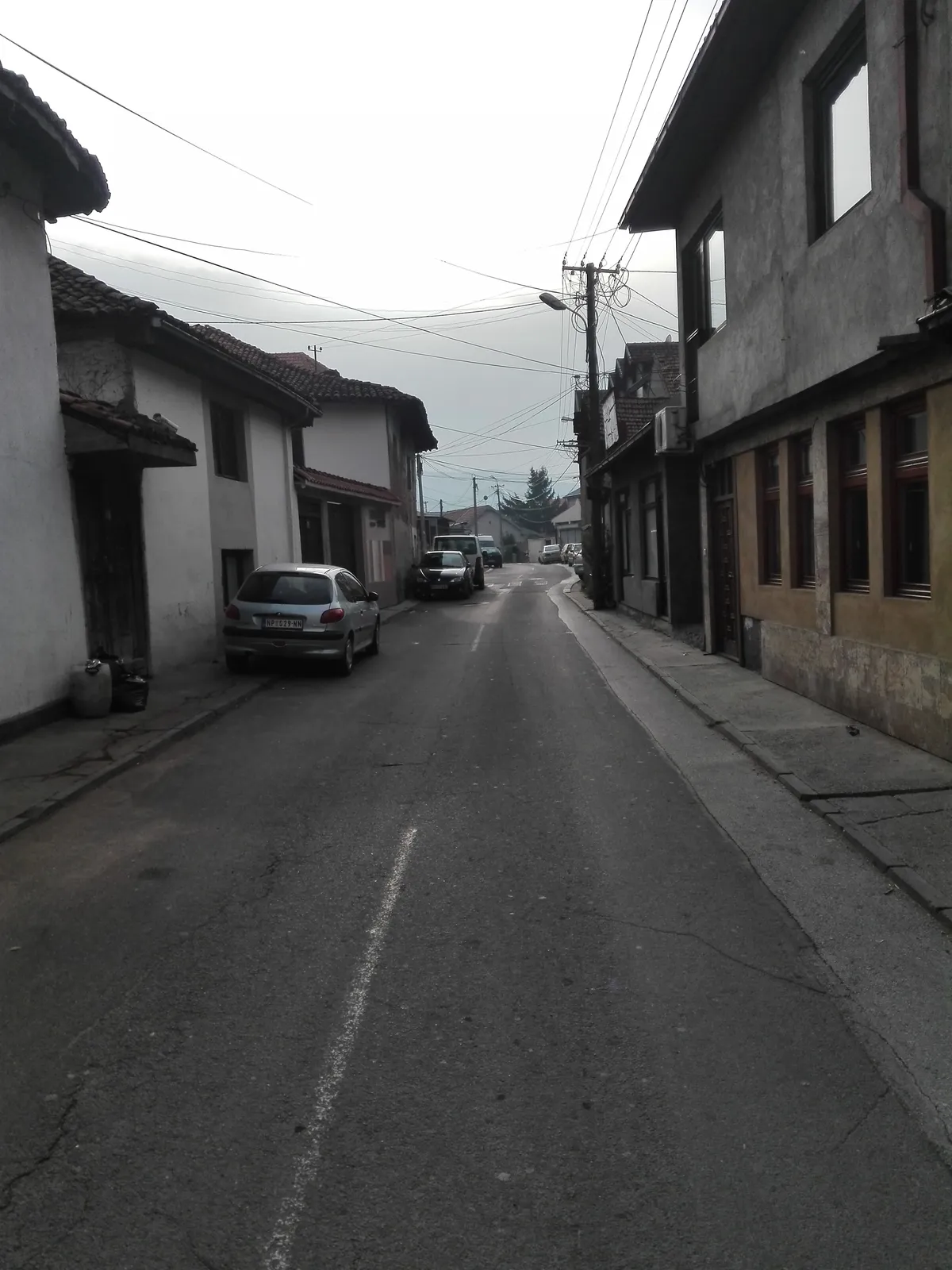
A street in the old town
A city corner in Novi Pazar
Everyday life in the čaršija
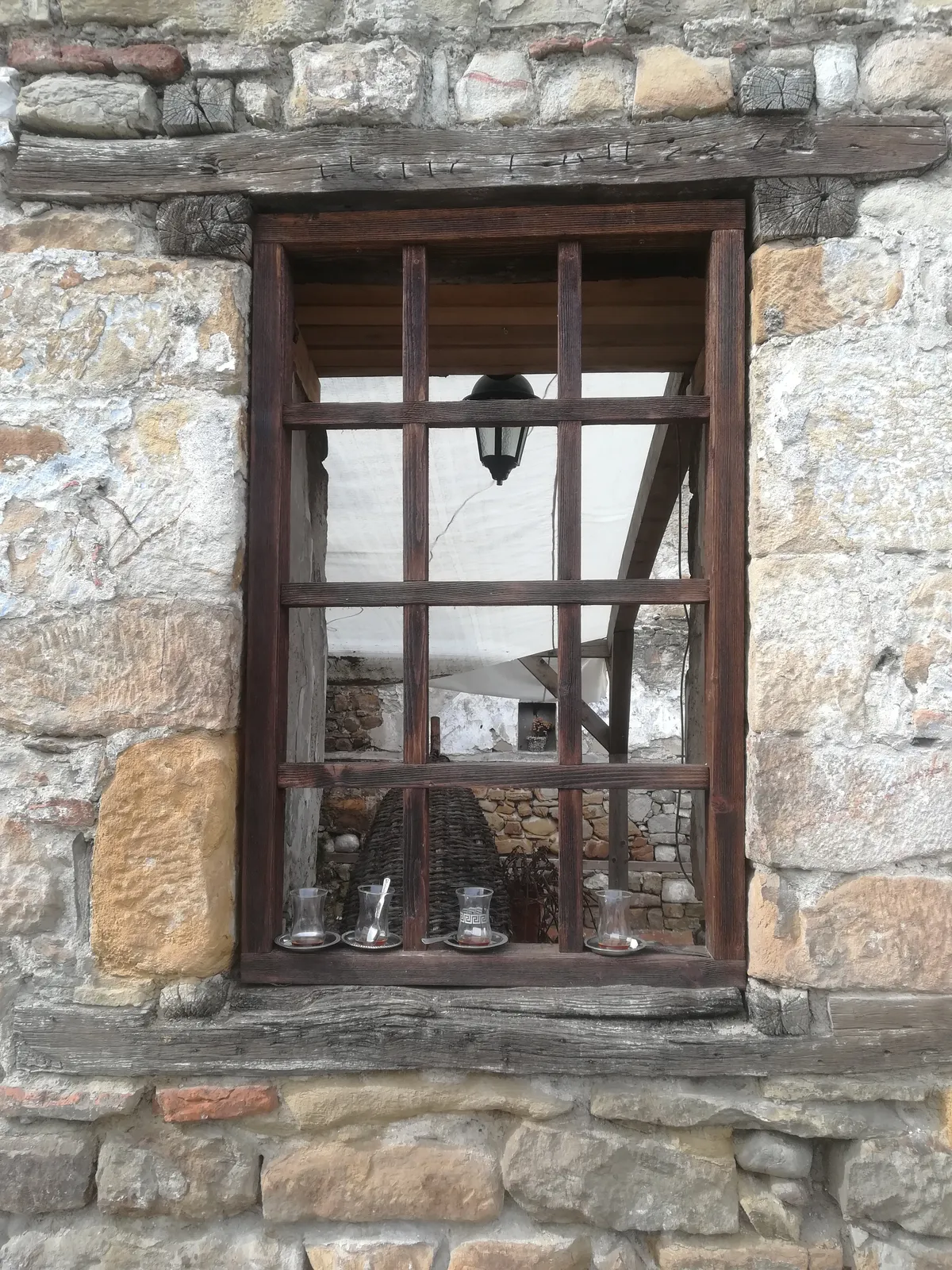
An old-town window
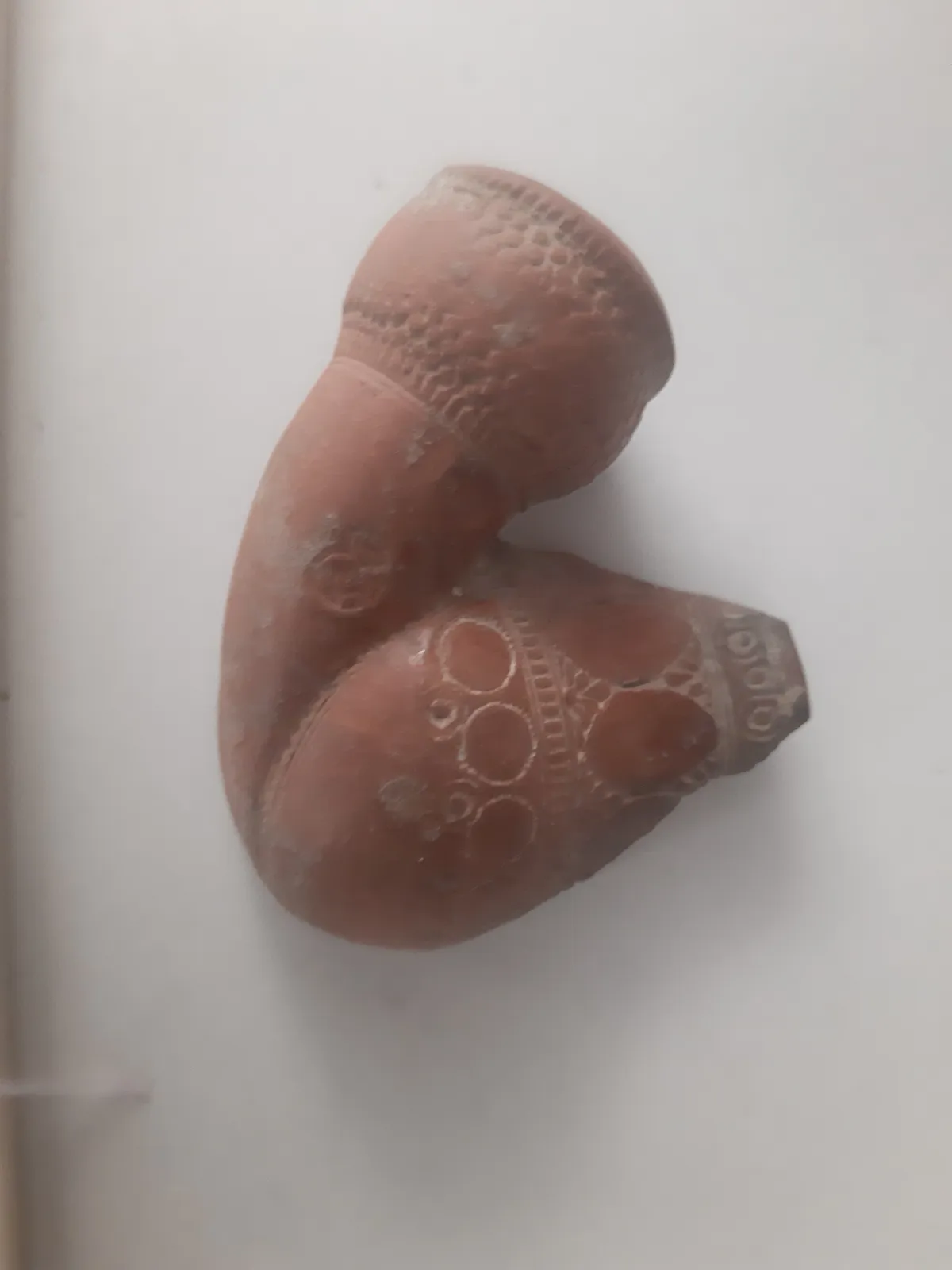
An Ottoman clay pipe, stamped and fired
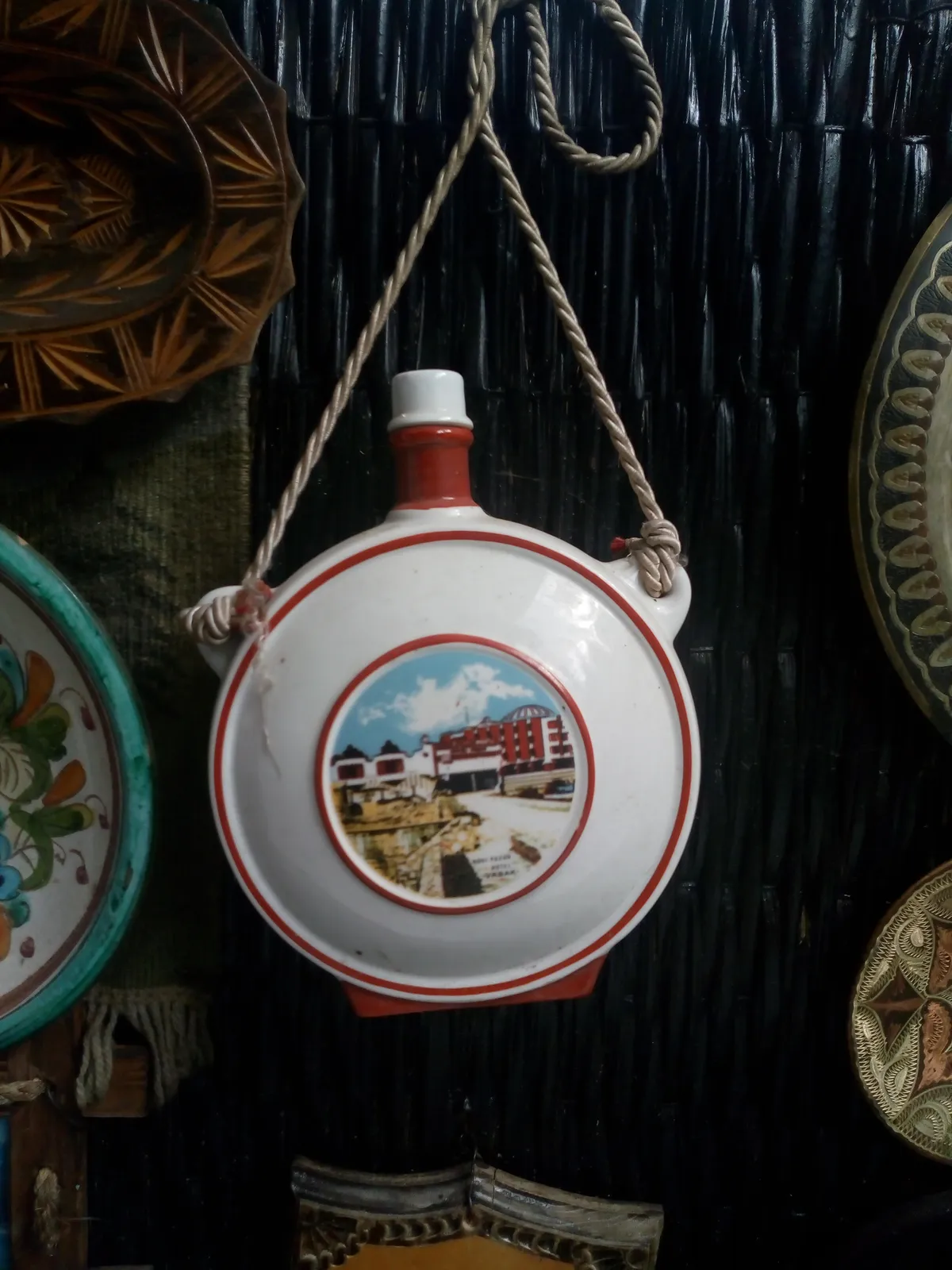
A painted ceramic flask
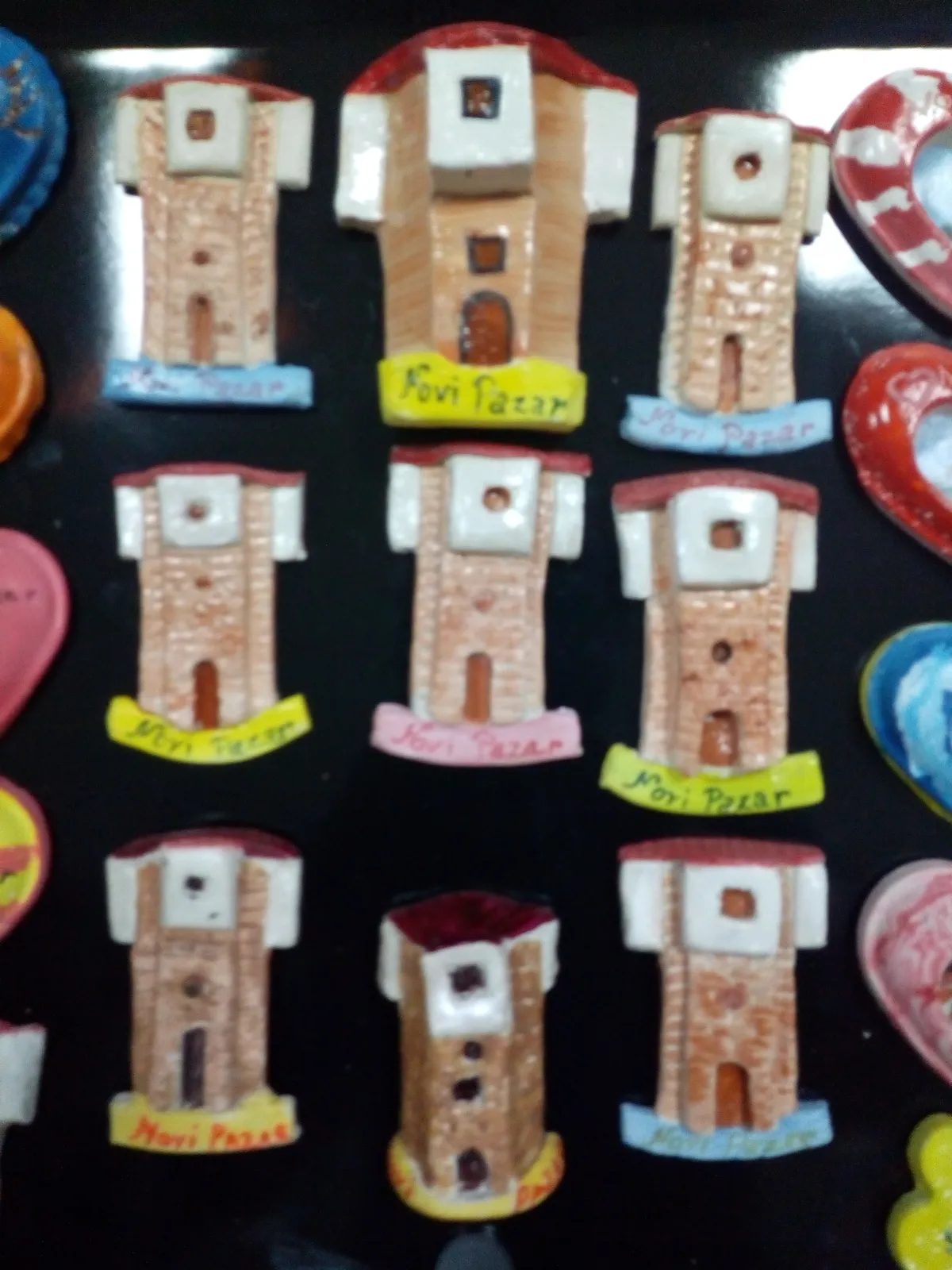
Hand-made ceramic keepsakes of Novi Pazar
Čaršija · on foot

Coffee first, then trade

The bazaar still keeps Ottoman hours. Arrive before nine and you'll hear the quarter wake shop by shop.

The lanes

Streets that remember

Lanes bend around hans and hamams raised when this was the "new bazaar" of the Ottoman Balkans.

Morning

Everyday, for four centuries

Shopping under wooden eaves, windows that have watched the same street since the 1600s.

The makers

Clay, stamped and fired

An Ottoman pipe and a painted flask — the čaršija's craft tradition, dug from its own ground.

To take home

Kept craft

Local artists remake the old forms by hand — the guide ends where the souvenirs begin.

A city in daily motion, Novi Pazar
02 — The Living City

A city in daily motion

Beyond the monuments, an ordinary and extraordinary city — riverside promenades, markets, and streets full of young people.

the centeralong the Raška
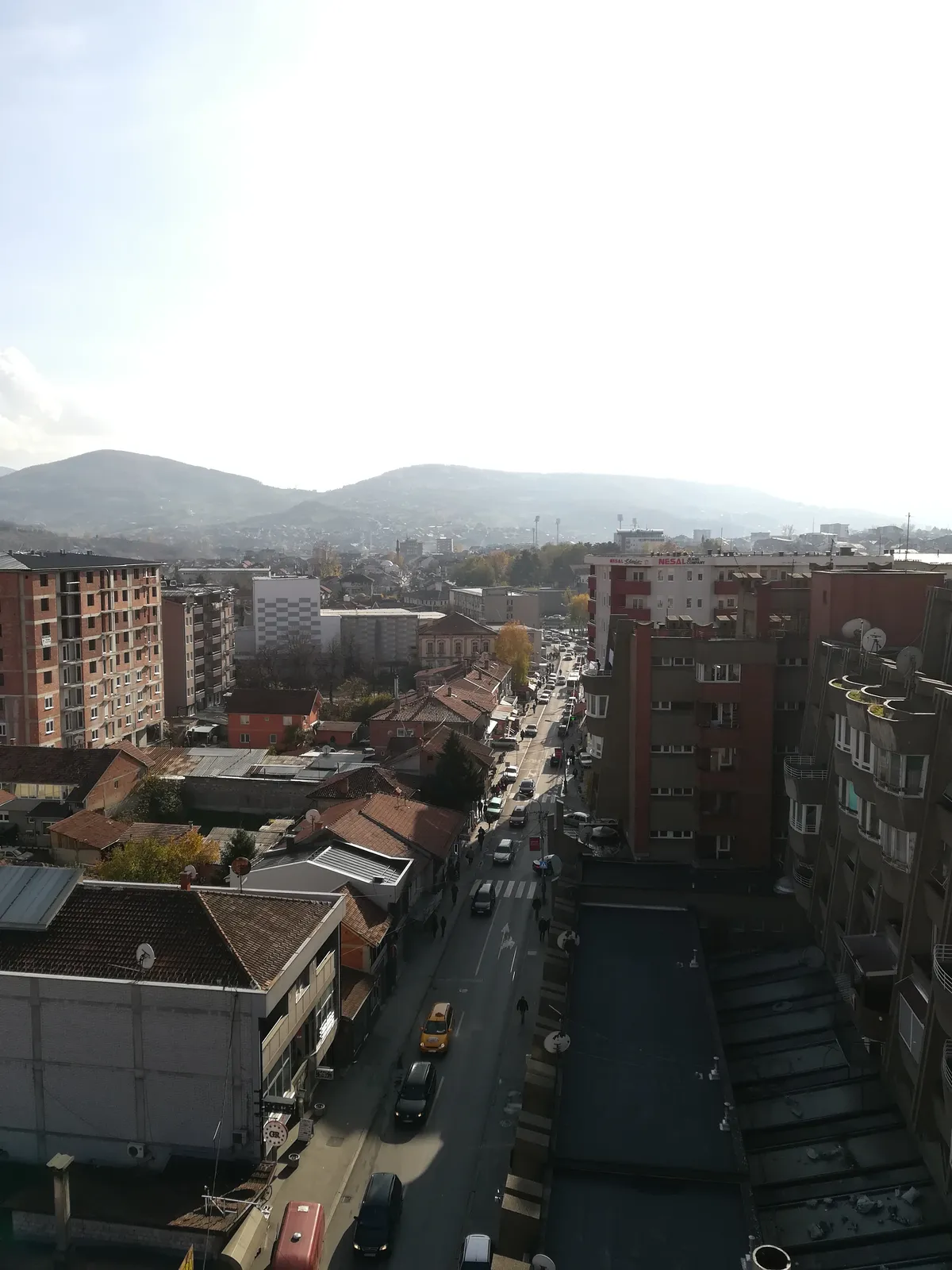
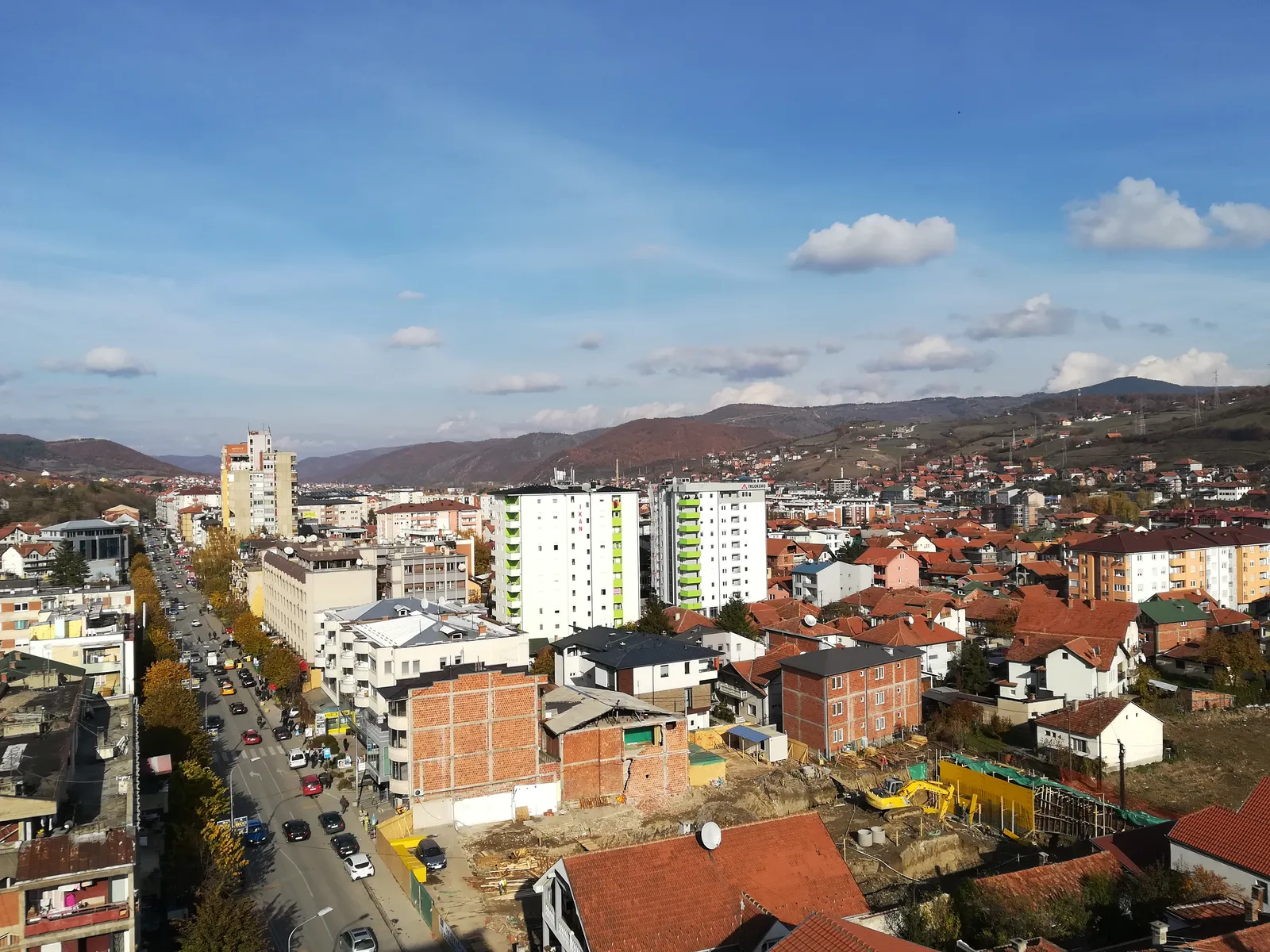
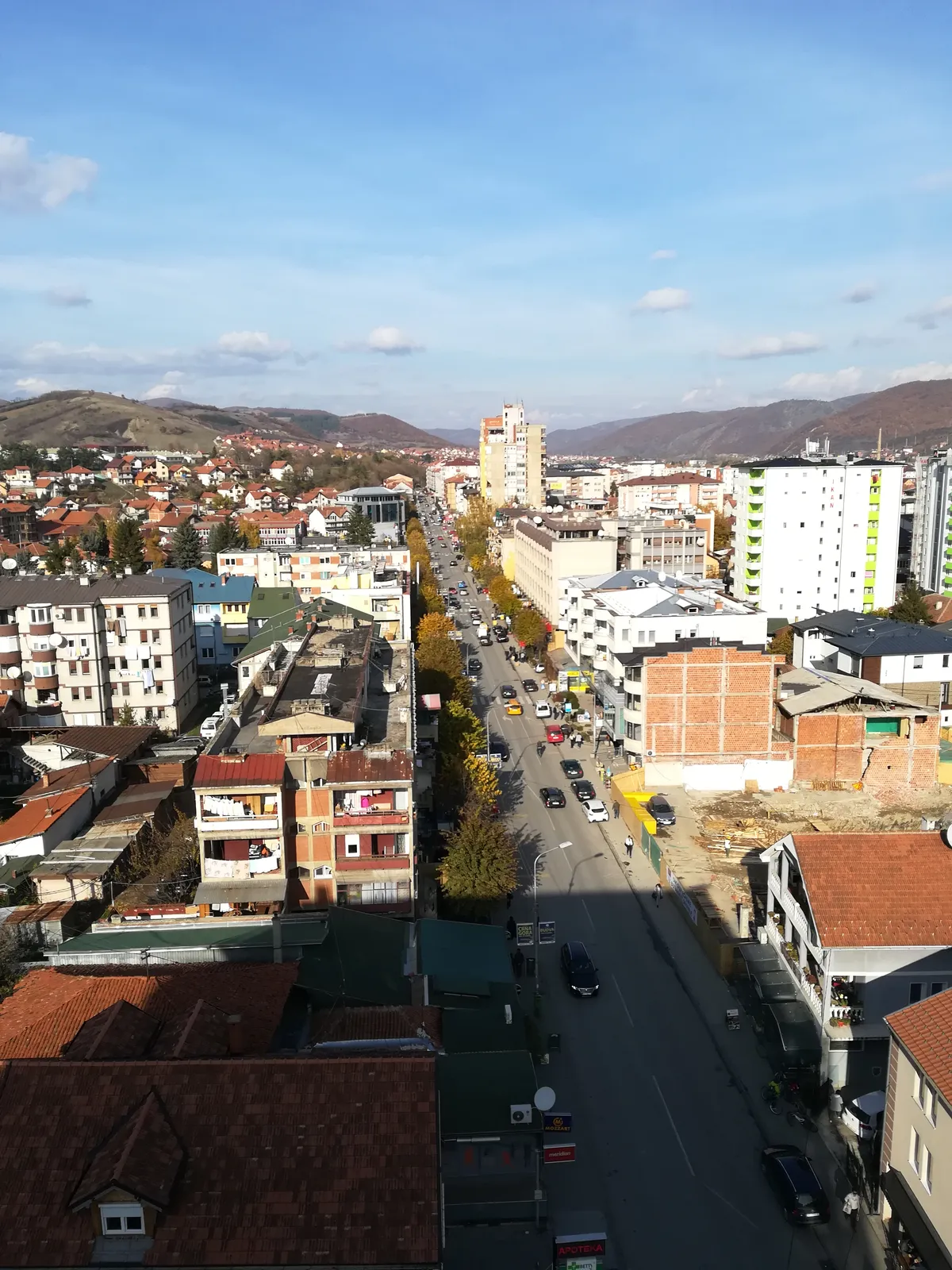
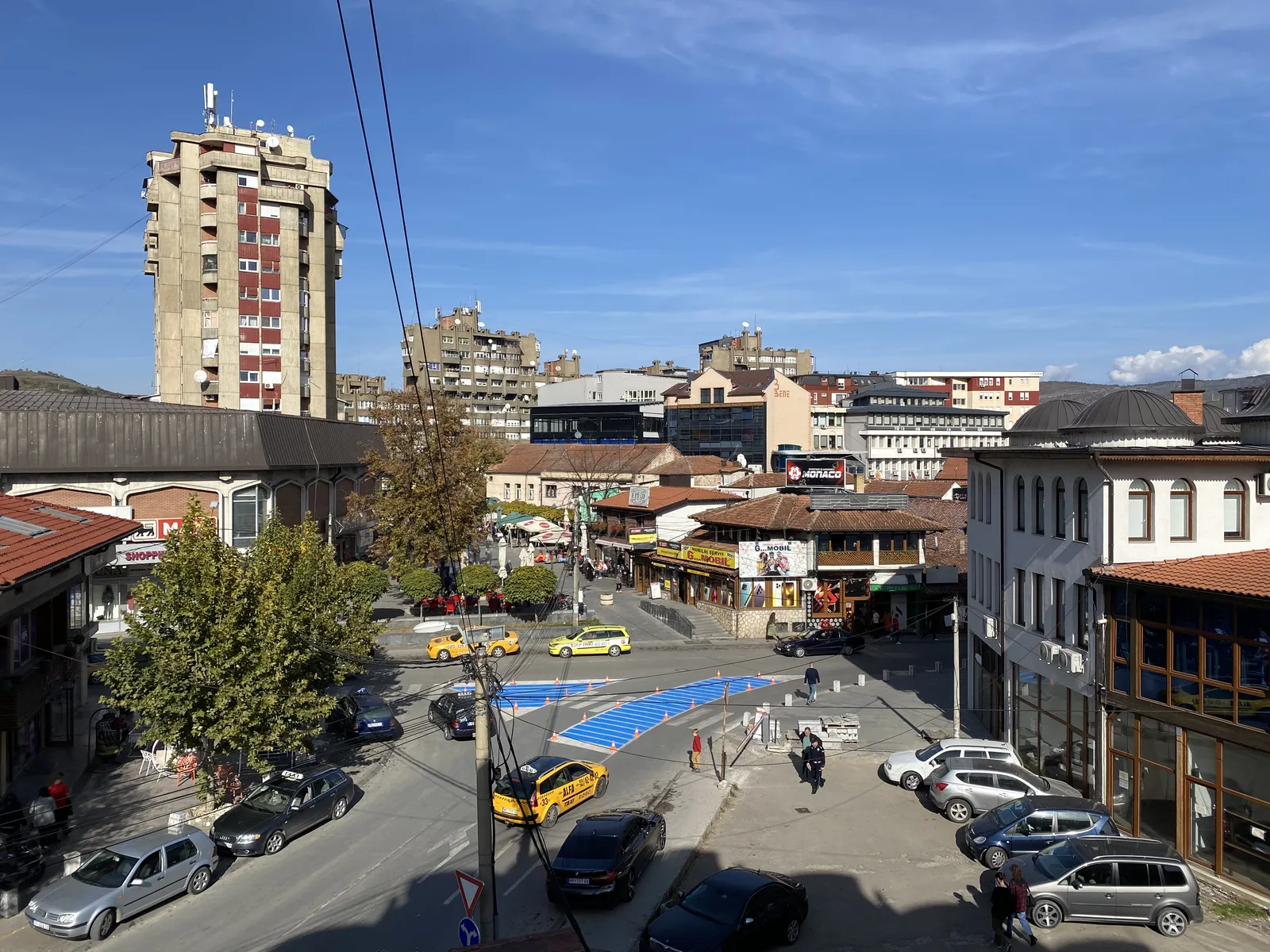
City streets downtown
A busy corner
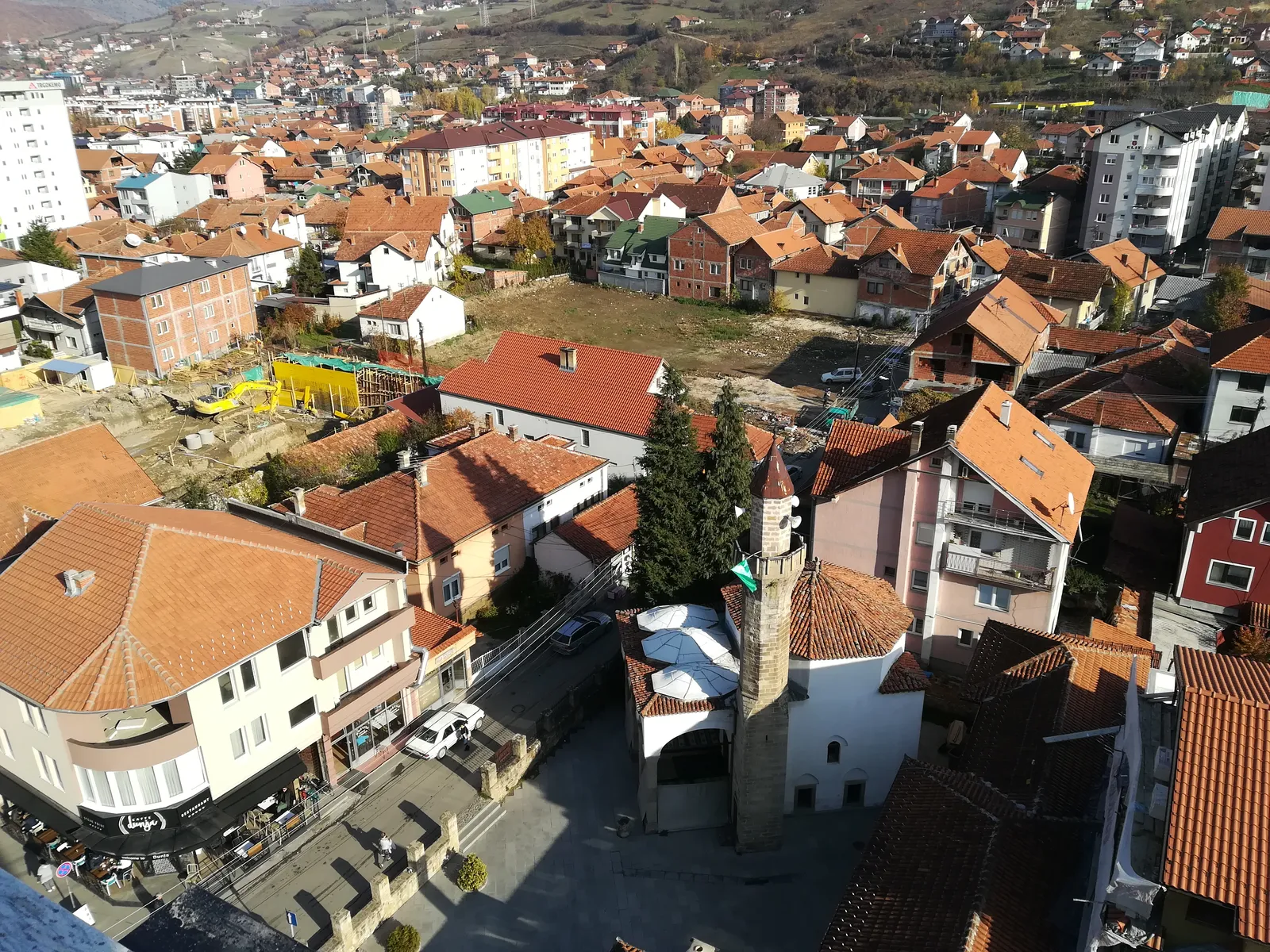
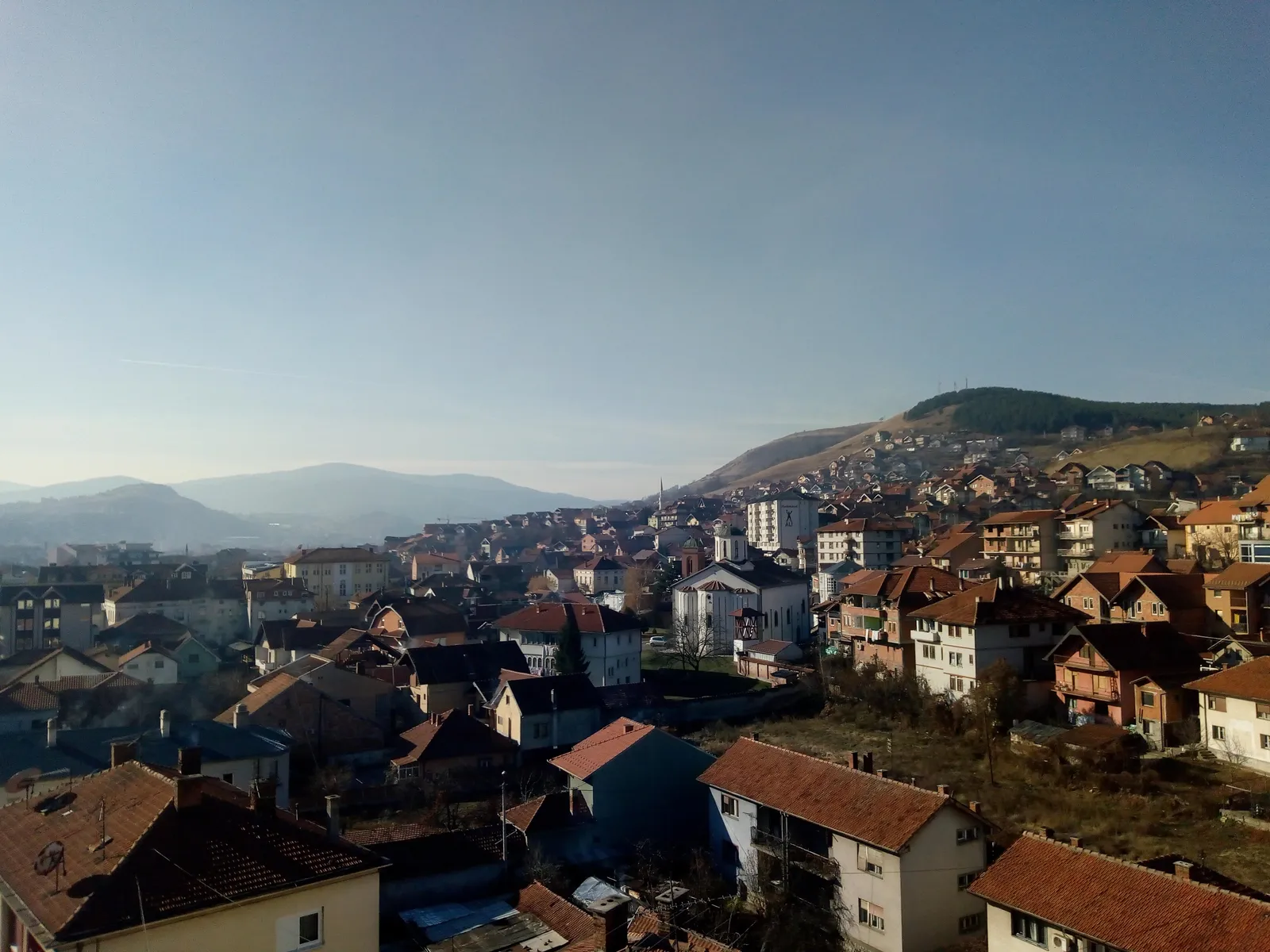
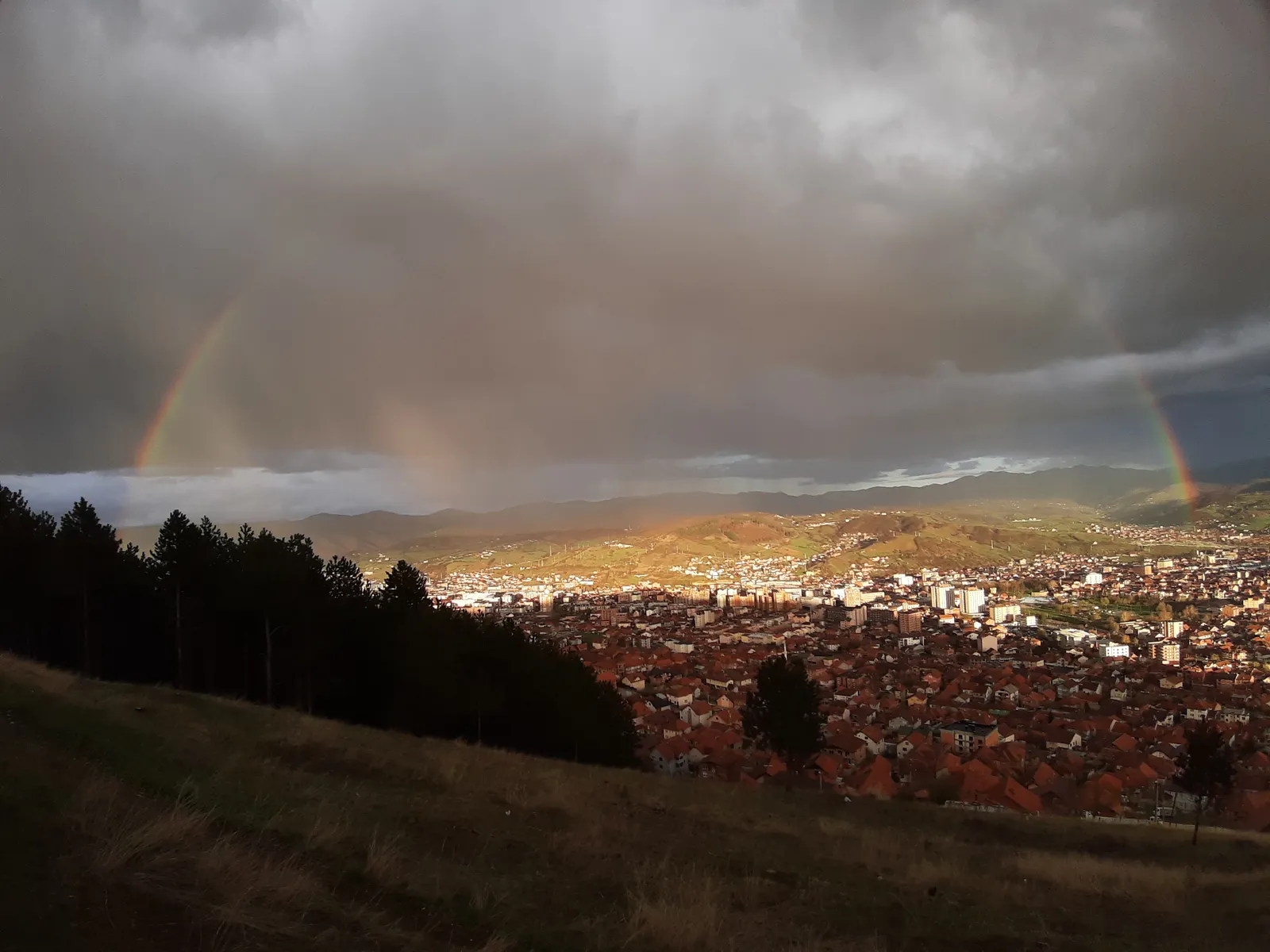
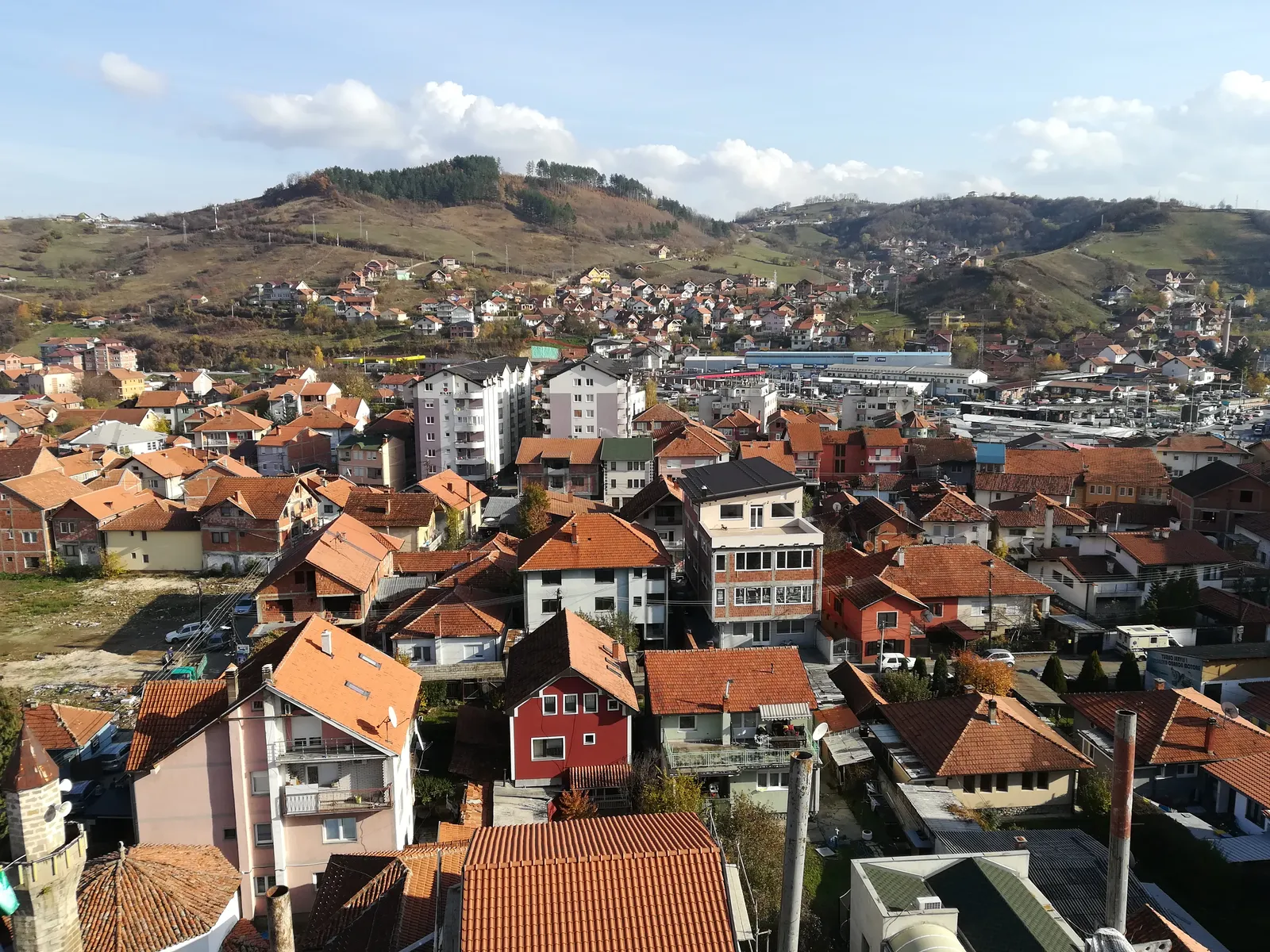
The city from above
A quiet lane
Market day
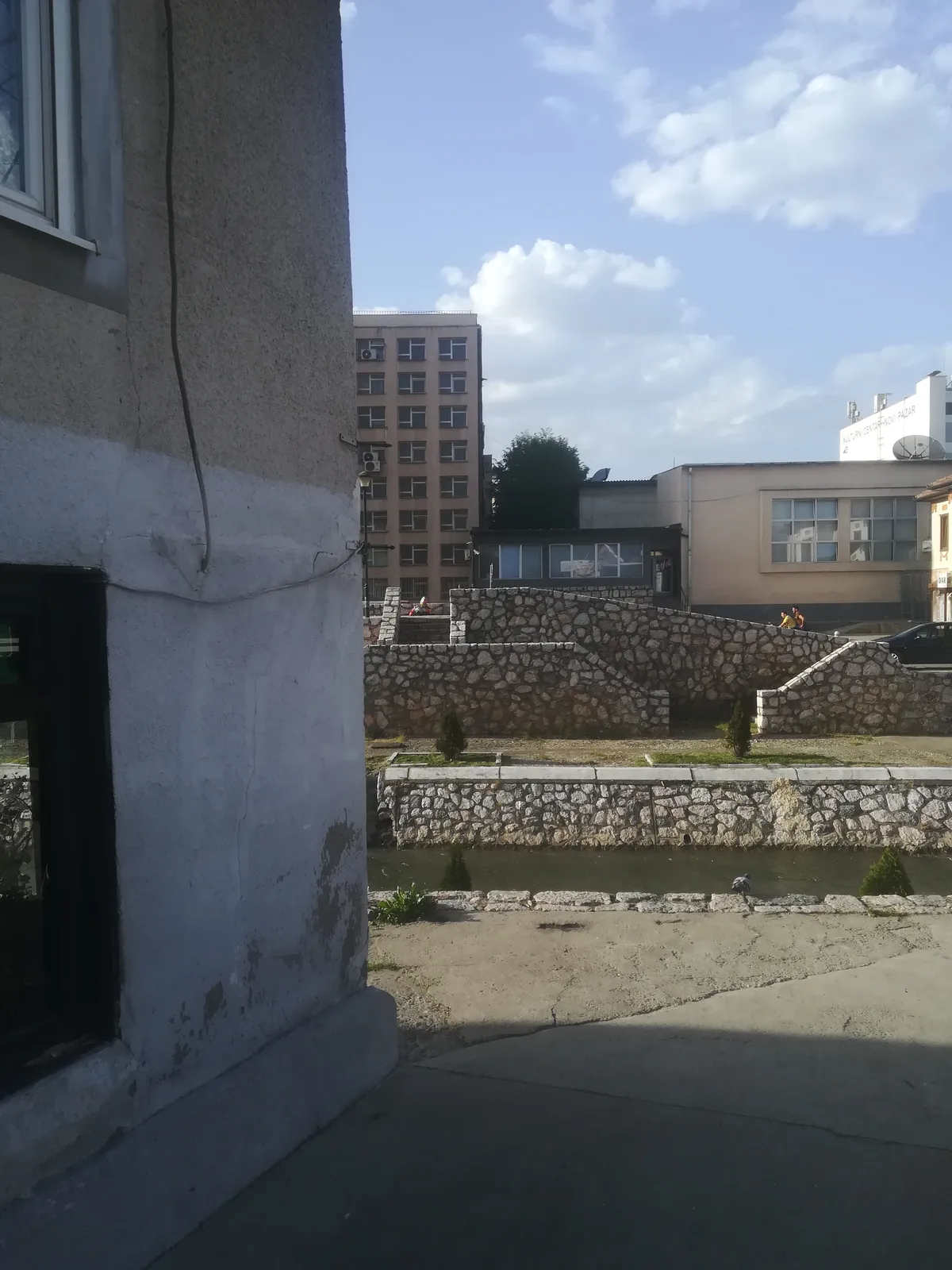
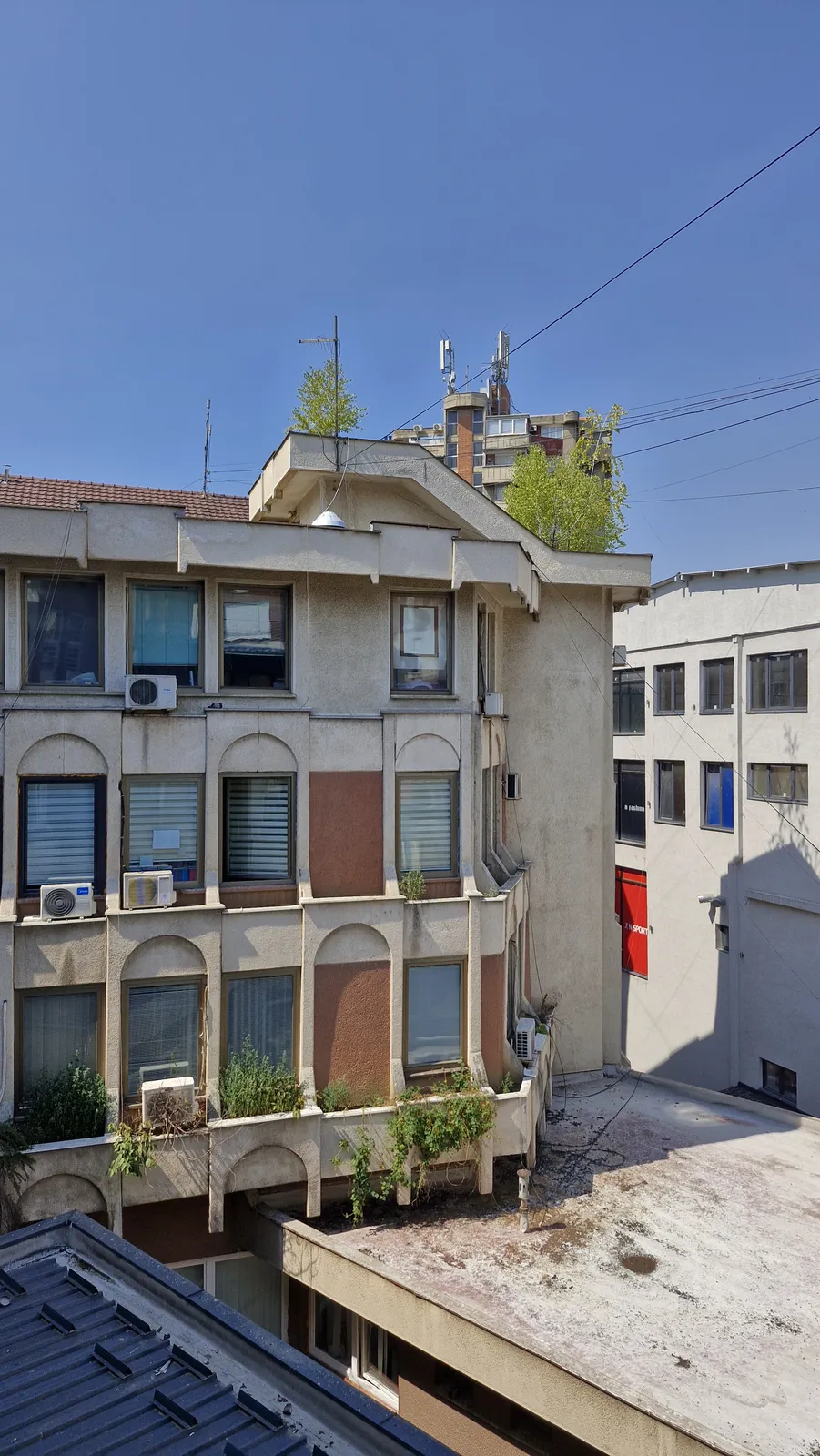
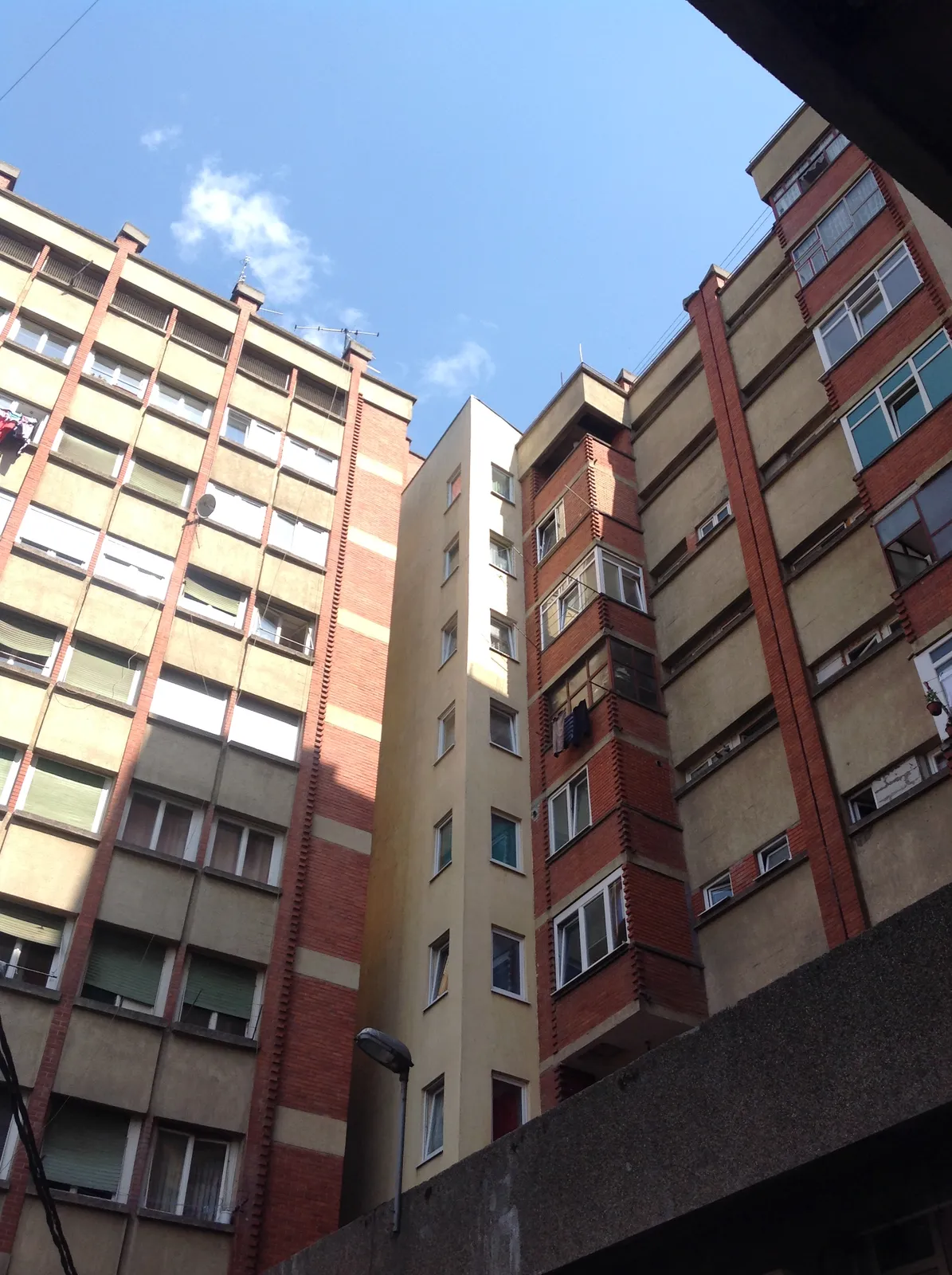
A modernist backyard
City rhythm
The streets above Ras
Novi Pazar today
The city now
Downtown

An ordinary city — therefore extraordinary

No stage set, no museum rope. The pleasure here is watching a real Balkan city go about its day.

Above & below

Rooftops and quiet lanes

Climb any slope and minarets, church towers and concrete rise together out of one small valley.

Market day

The everyday exchange

Markets spill toward the river; behind them, Yugoslav-era backyards grow their own gardens.

The rhythm

Streets with a pulse

Kej Raške fills every evening — the korzo, the promenade habit, has never gone out of fashion here.

Now

The city, this morning

What you see is a city still deciding what it becomes next — and that is the attraction.

Monasteries and the medieval light near Novi Pazar
03 — Sacred Ground

Monasteries & the medieval light

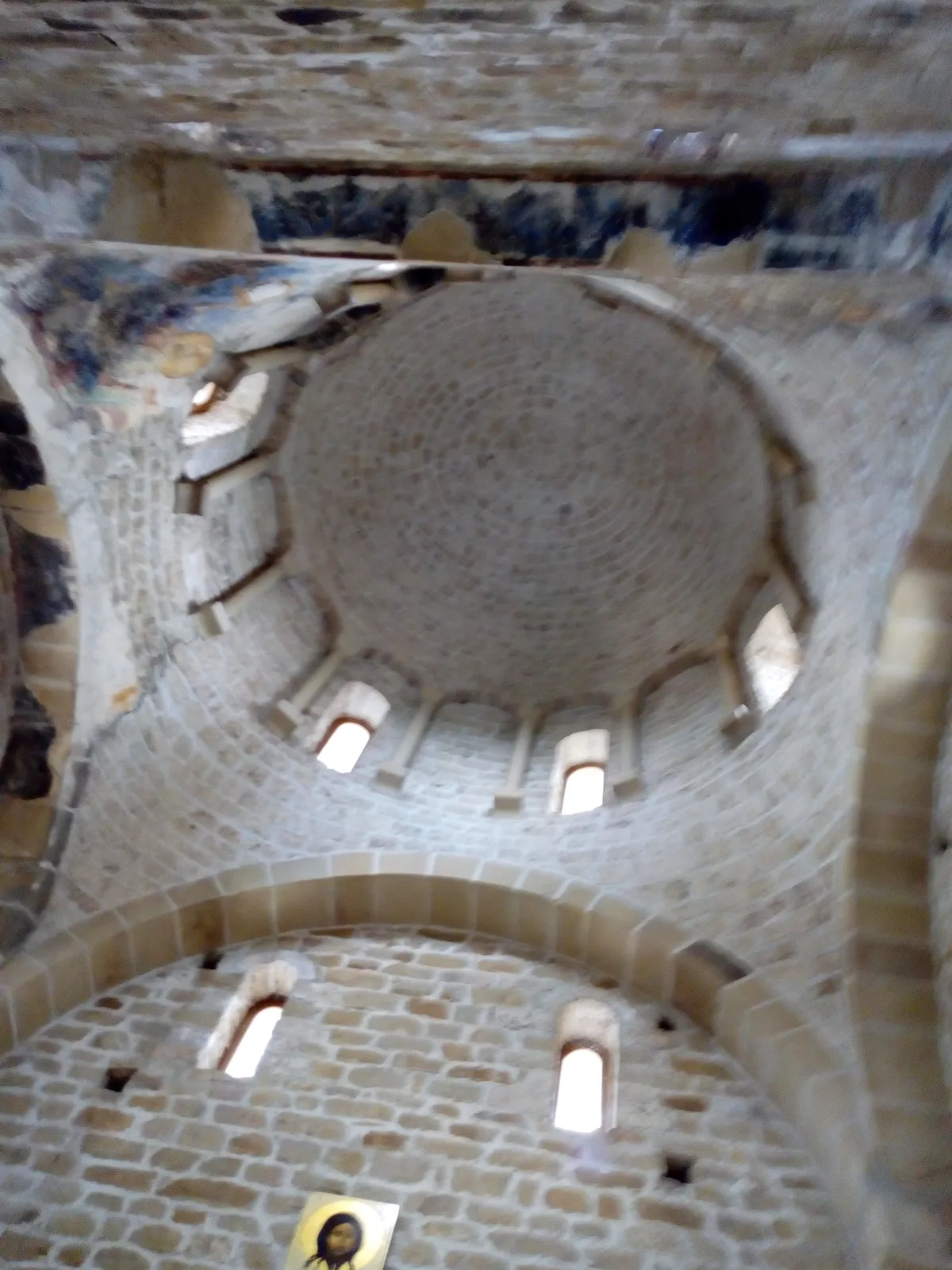
West of the city, Sopoćani and Đurđevi Stupovi guard some of the greatest frescoes of the European Middle Ages.

14 kmwest · UNESCO since 1979
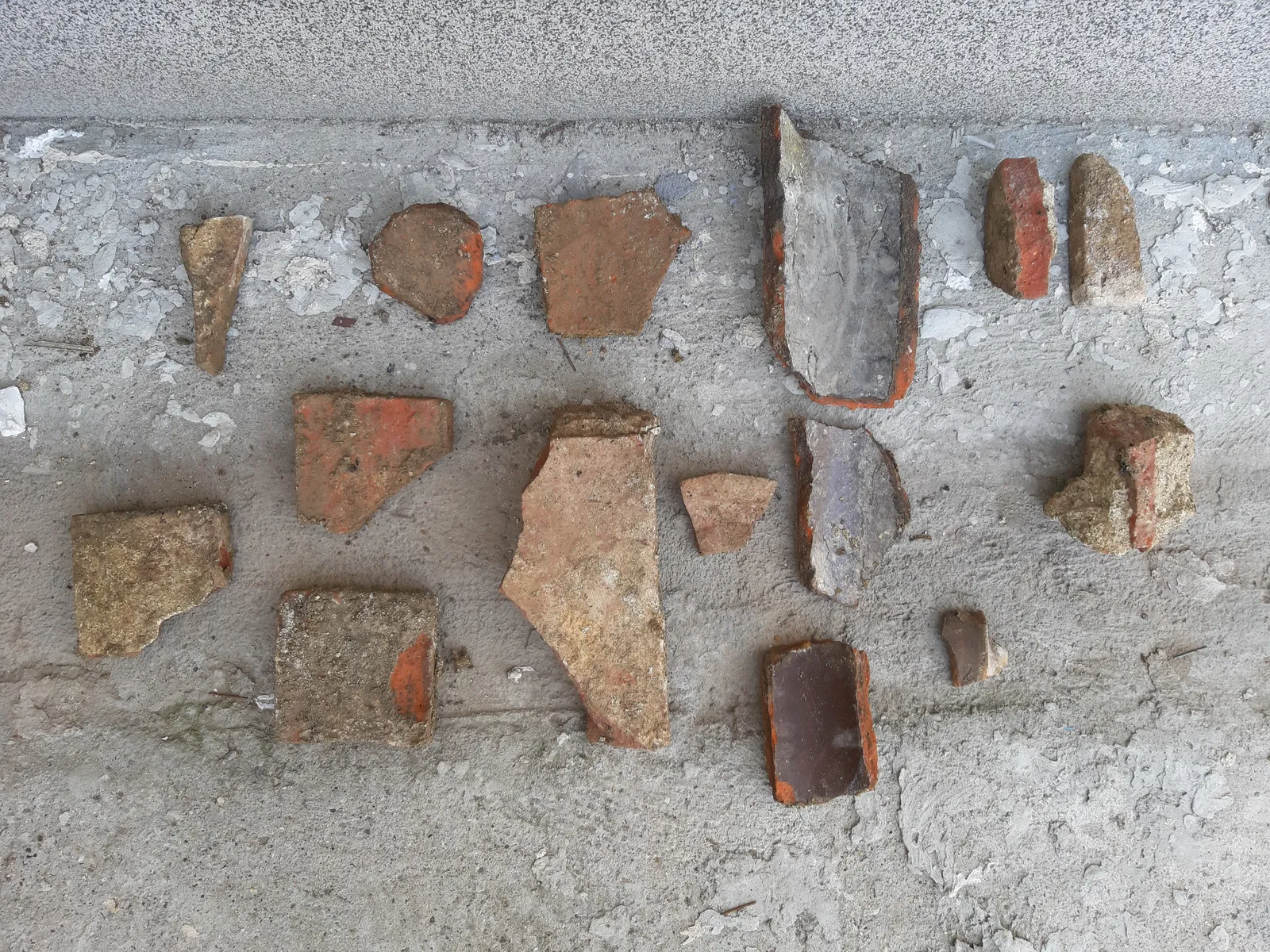
Ceramic shards from the medieval layers
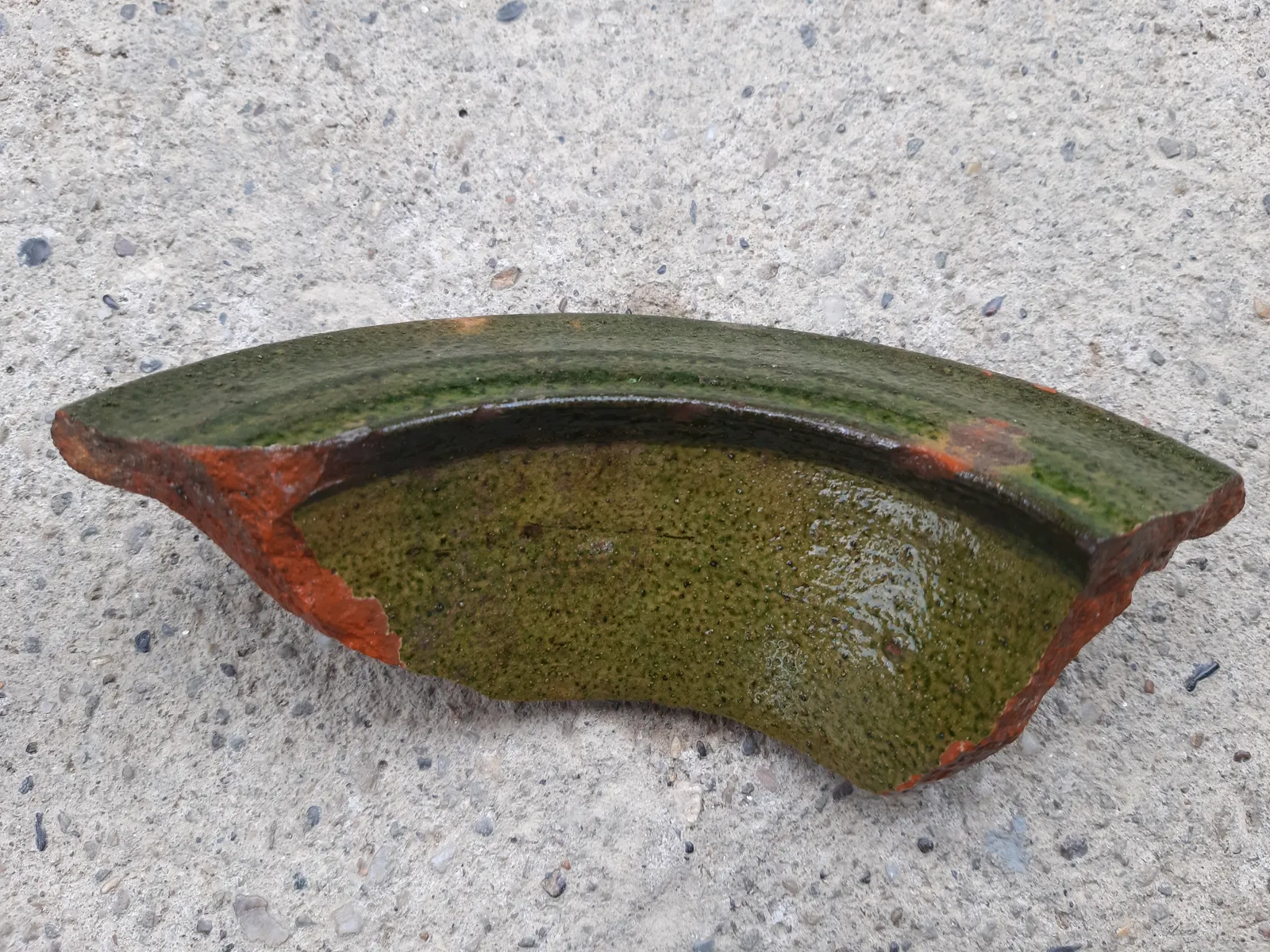
A green-glazed pottery fragment
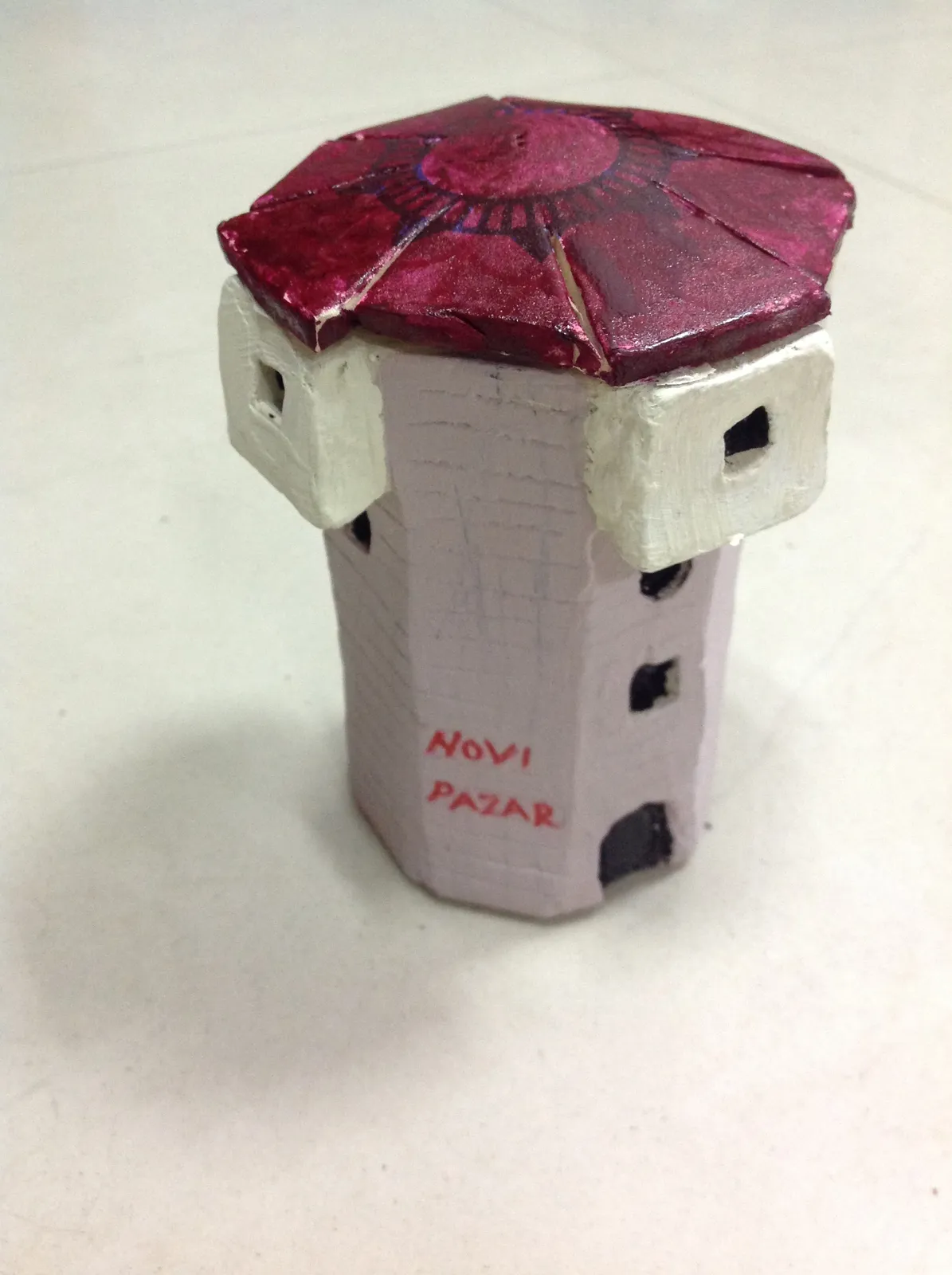
A hand-made ceramic model of the fortress tower
Unearthed

Light that hasn't moved in 800 years

Around the monasteries lie the medieval layers of Ras — shards surface with every season's digging.

12th century

Green glaze, medieval hands

Fired and glazed when the Nemanjić court ruled from these valleys, and Sopoćani's painters mixed their whites.

Remade

The tower, built again in clay

Local ceramicists remake the fortress tower by hand — the medieval skyline small enough to carry.

Brutalism and the Yugoslav city, Novi Pazar
04 — The Concrete

Brutalism & the Yugoslav city

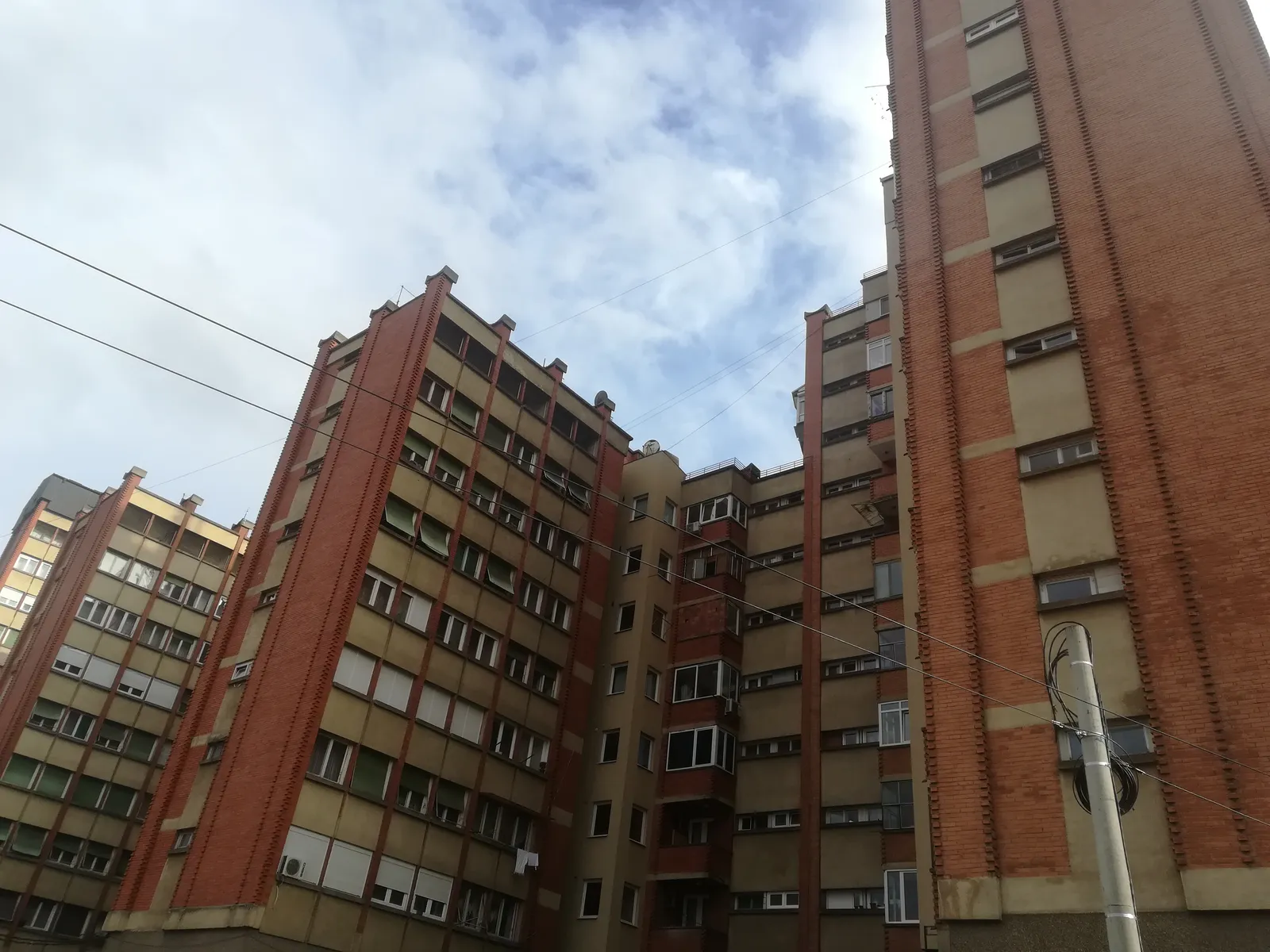
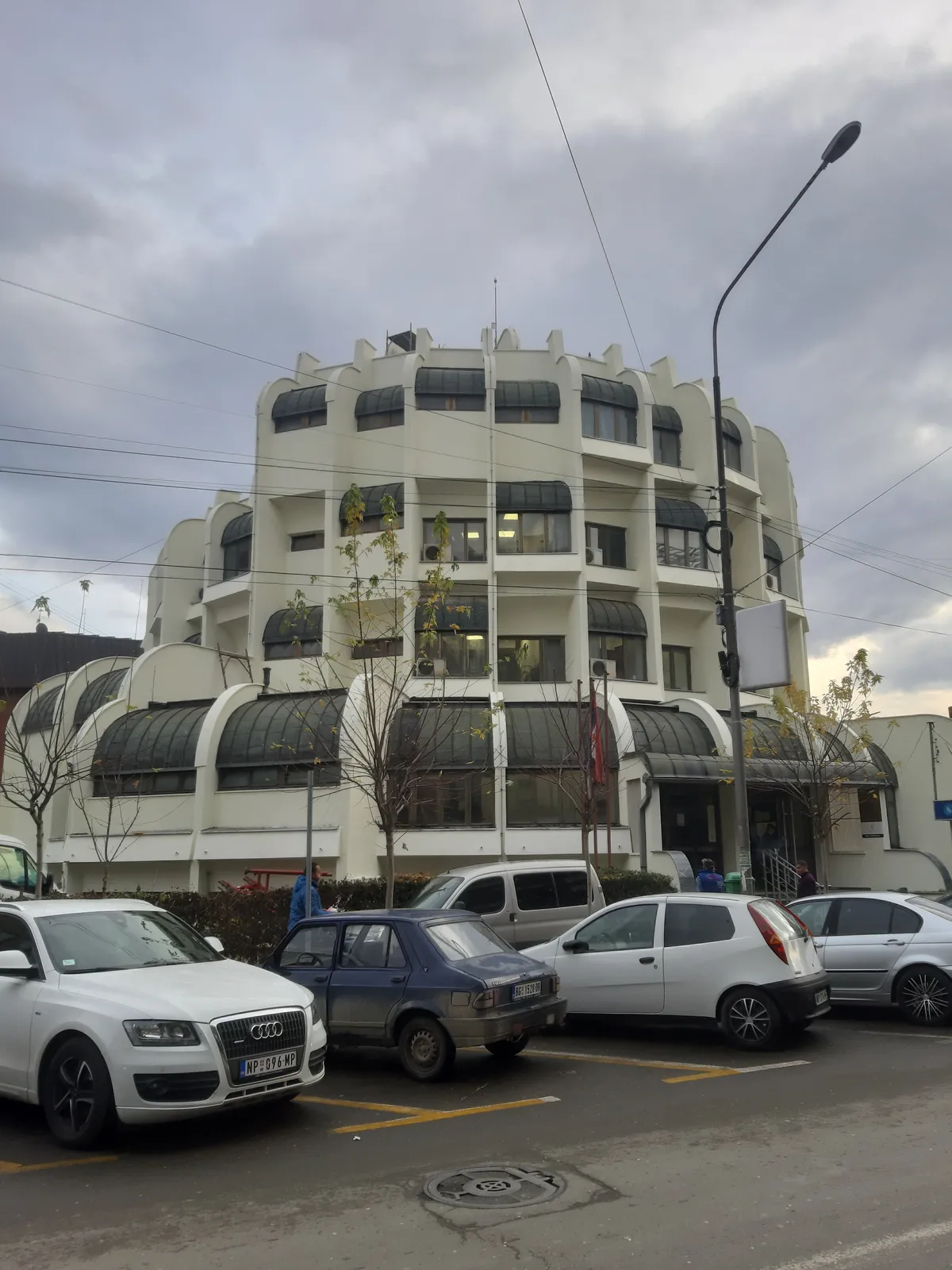
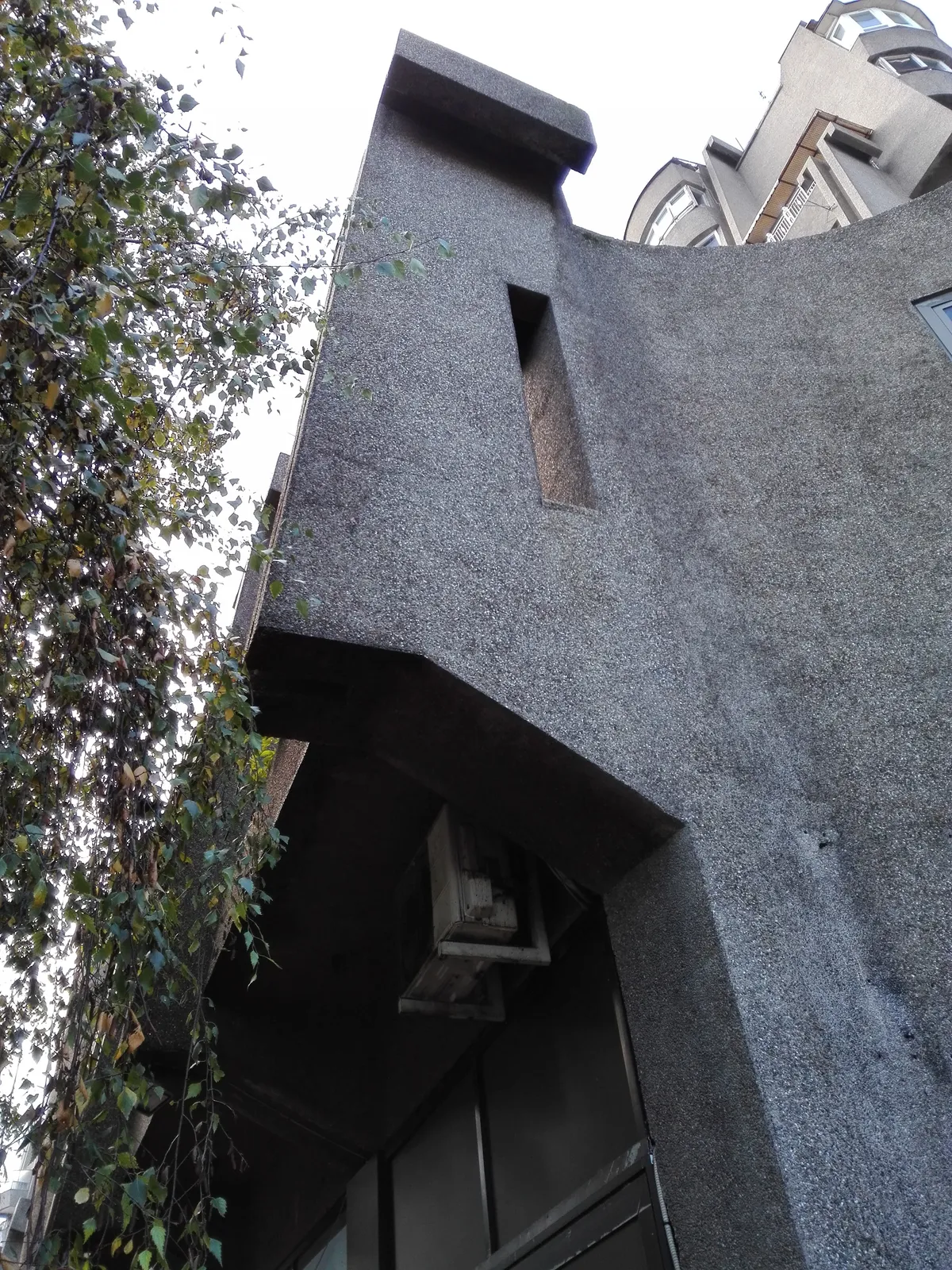
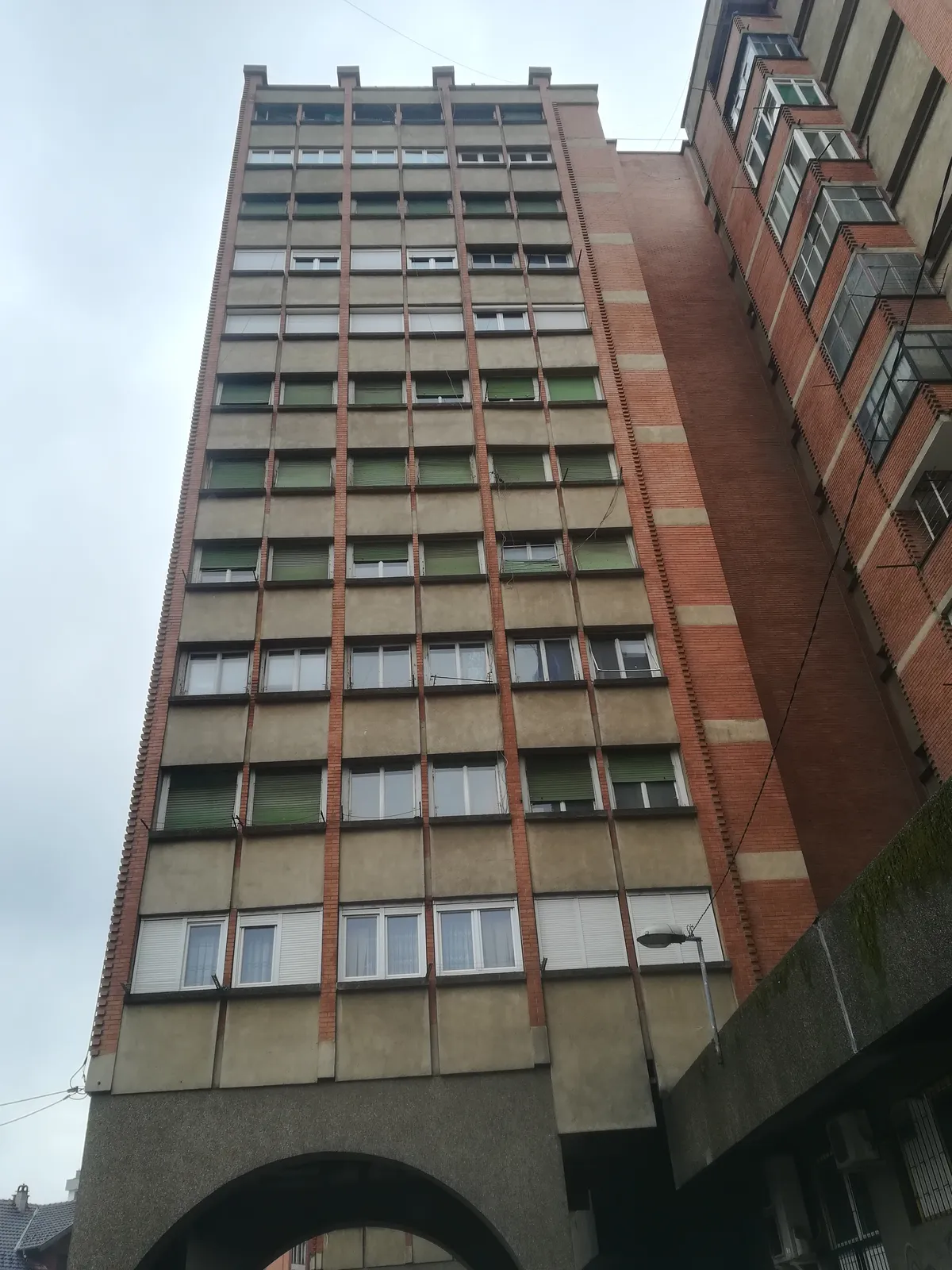
A startling legacy of Yugoslav modernism — civic halls and monuments in sculptural raw concrete, now valued as design.

1948–80the 20th-century grid
Concrete form
Brutalist façade
Modernist block
Raw concrete detail
Monument in concrete
Modernist concrete form
Look up

Raw concrete, read as sculpture

Walk the center with your eyes above the shopfronts and a second, Yugoslav city appears.

1948–1980

The optimistic decades

Halls, hotels and housing blocks — built fast, built proud, and aging into strange beauty.

Against the hills

Concrete vs. mountains

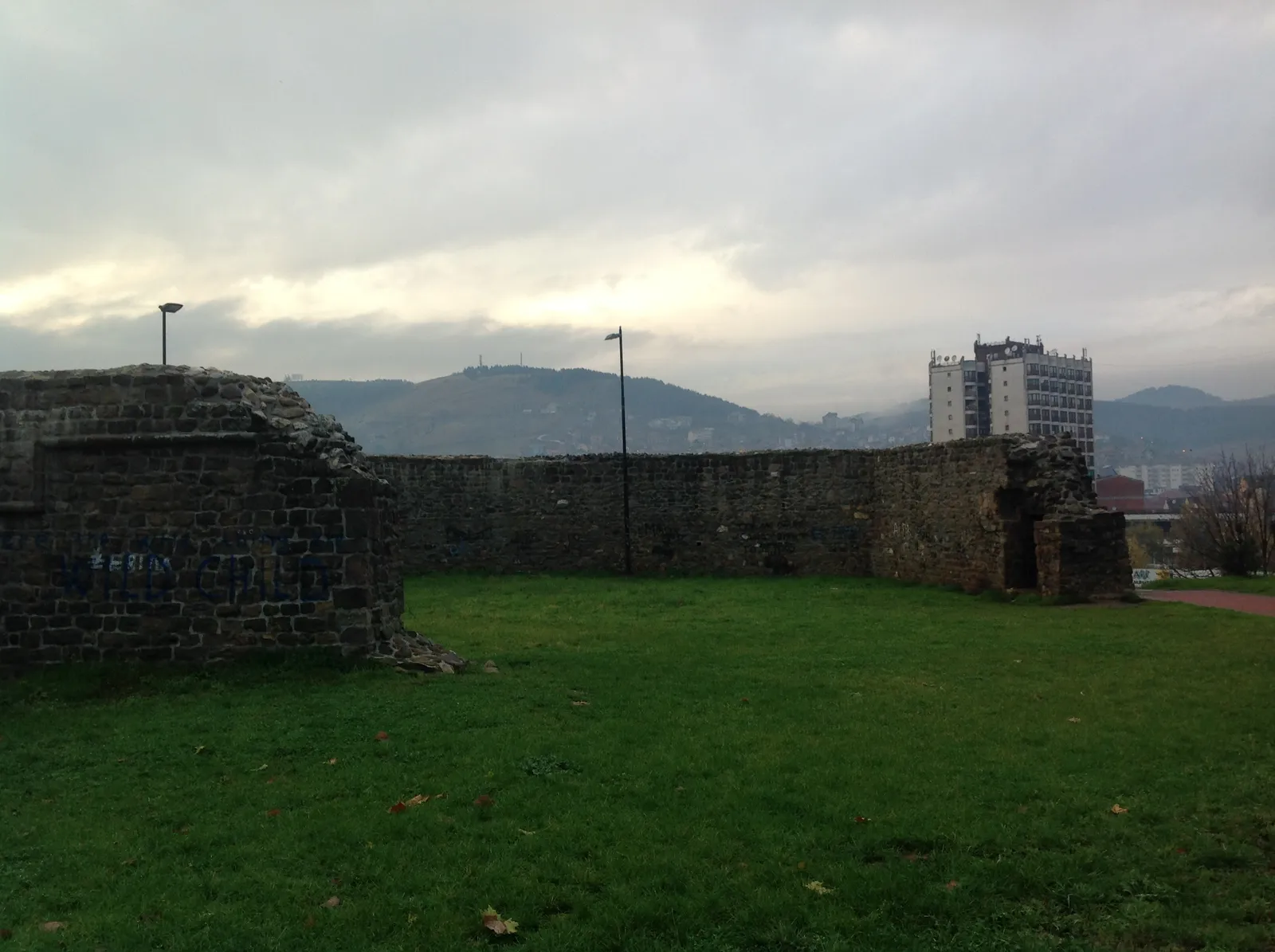
The drama is the contrast: hard geometry set against soft green hills, minarets between them.

Rural Sandžak and the plateau
05 — The Highlands

Rural Sandžak & the plateau

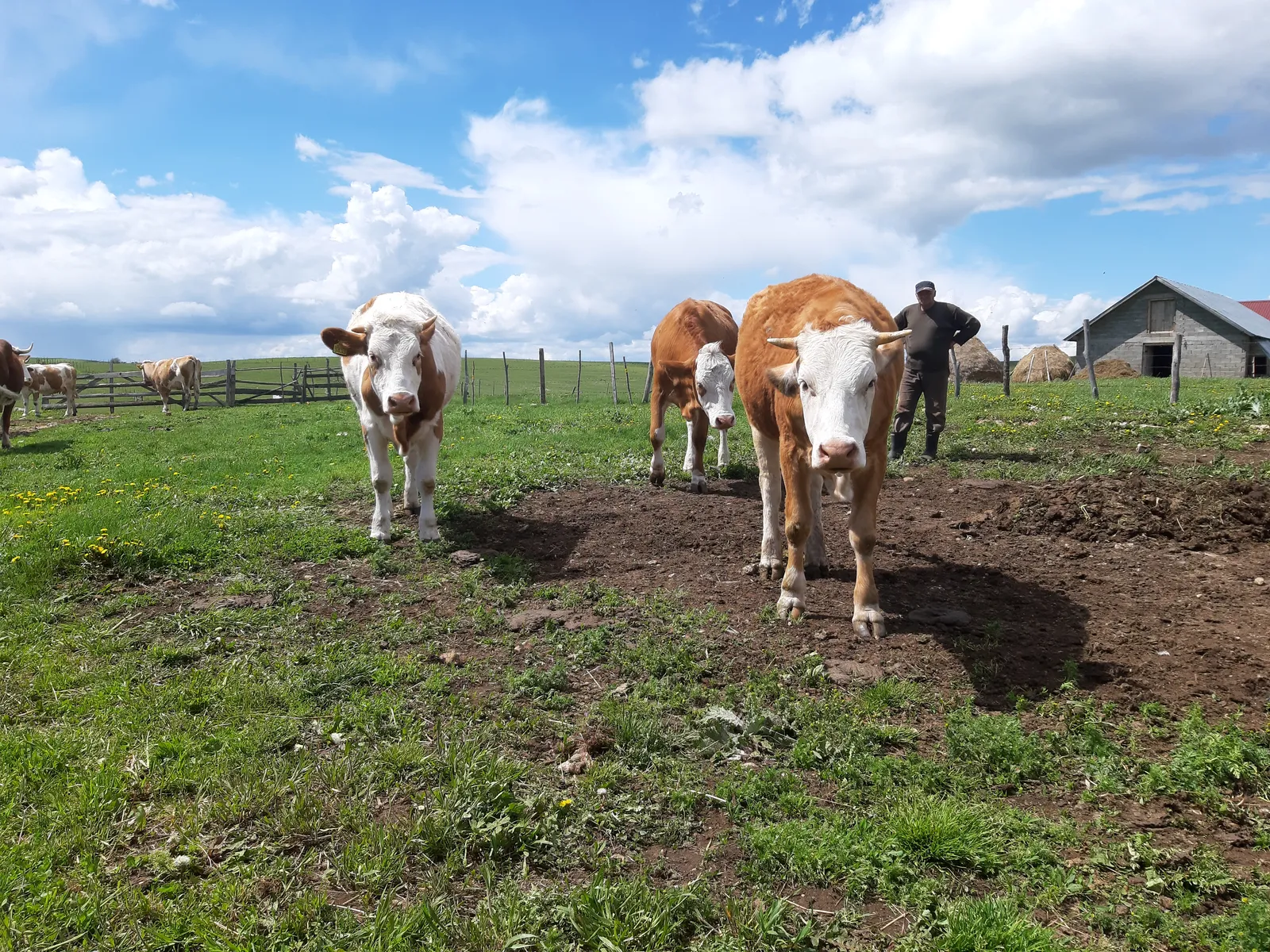
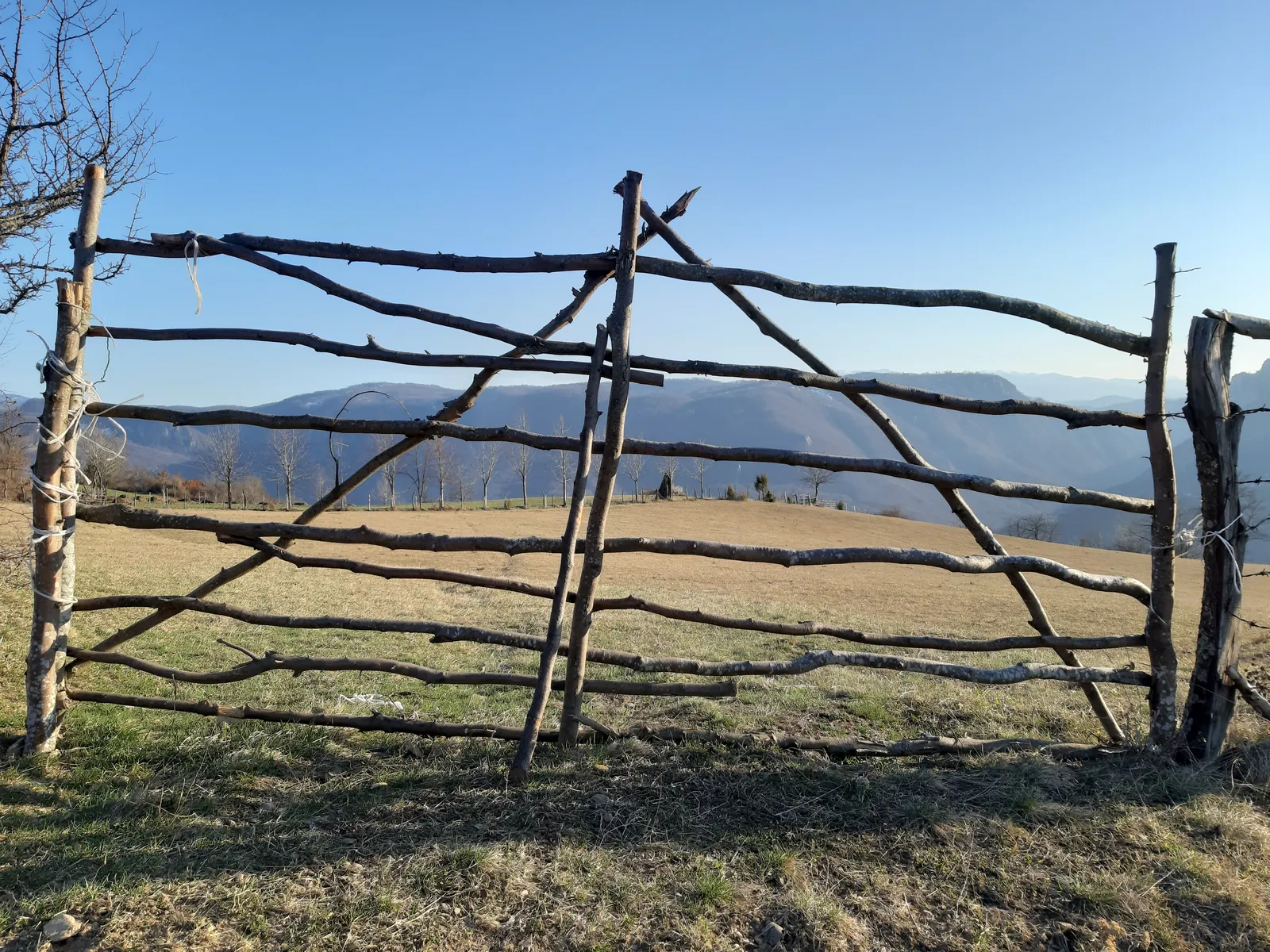
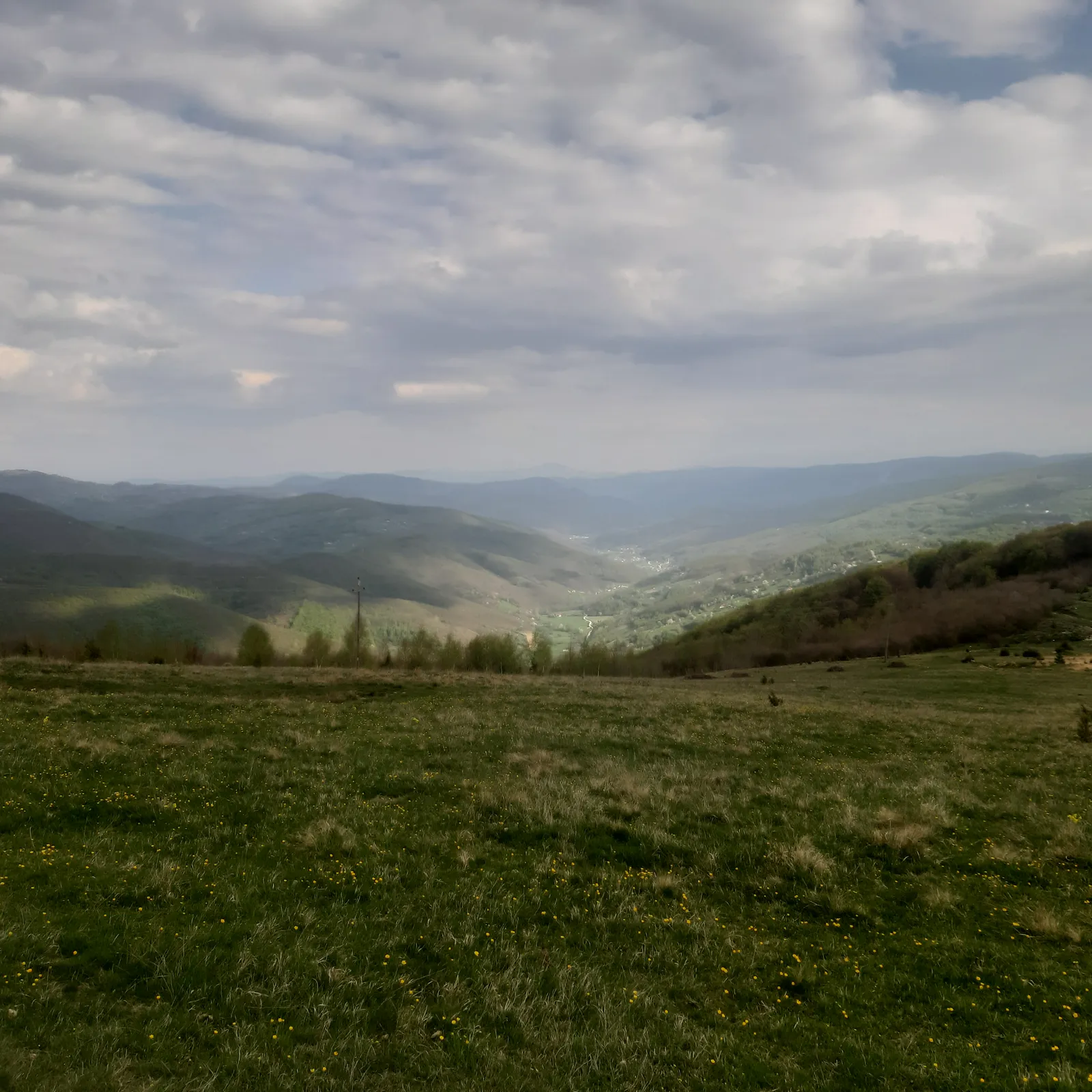
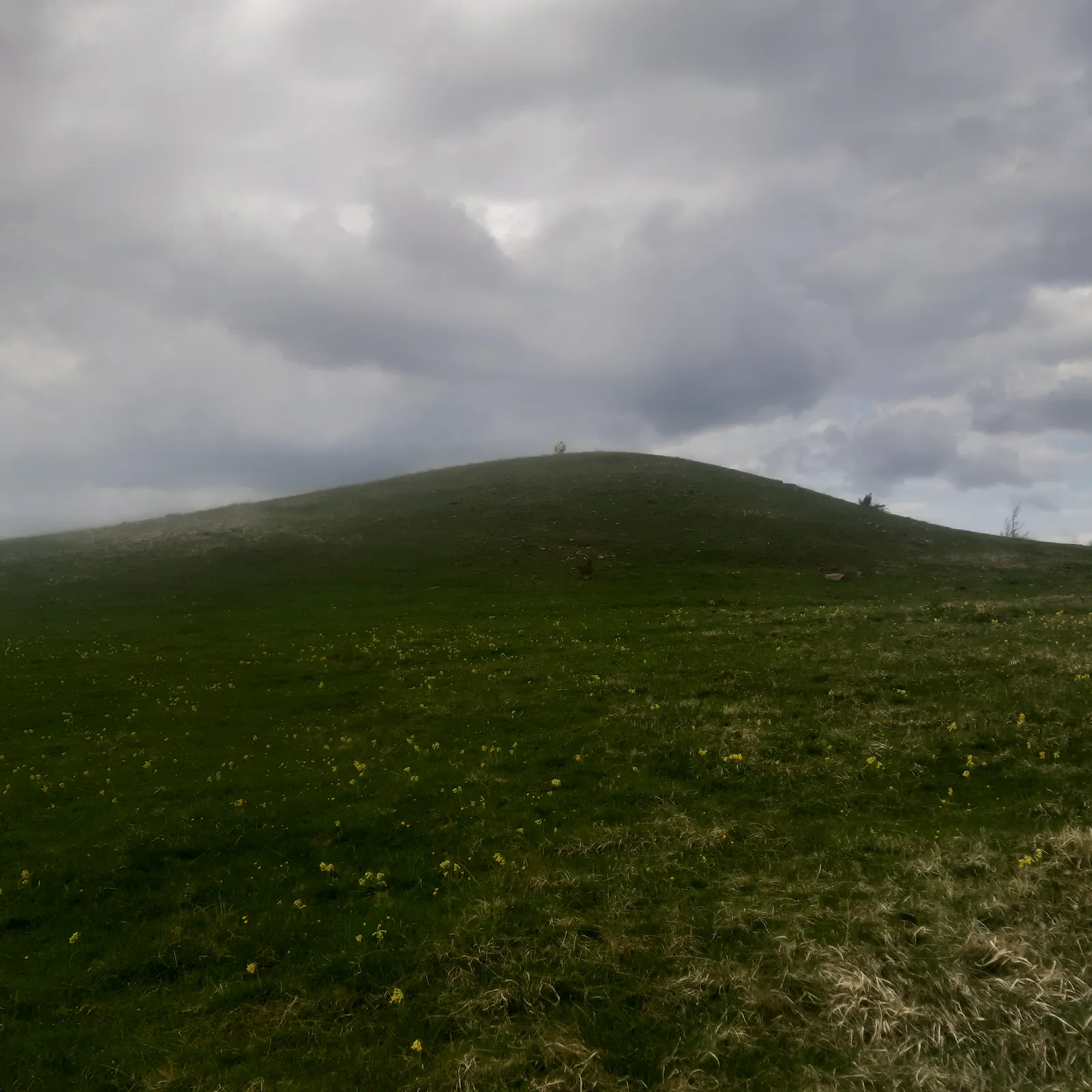
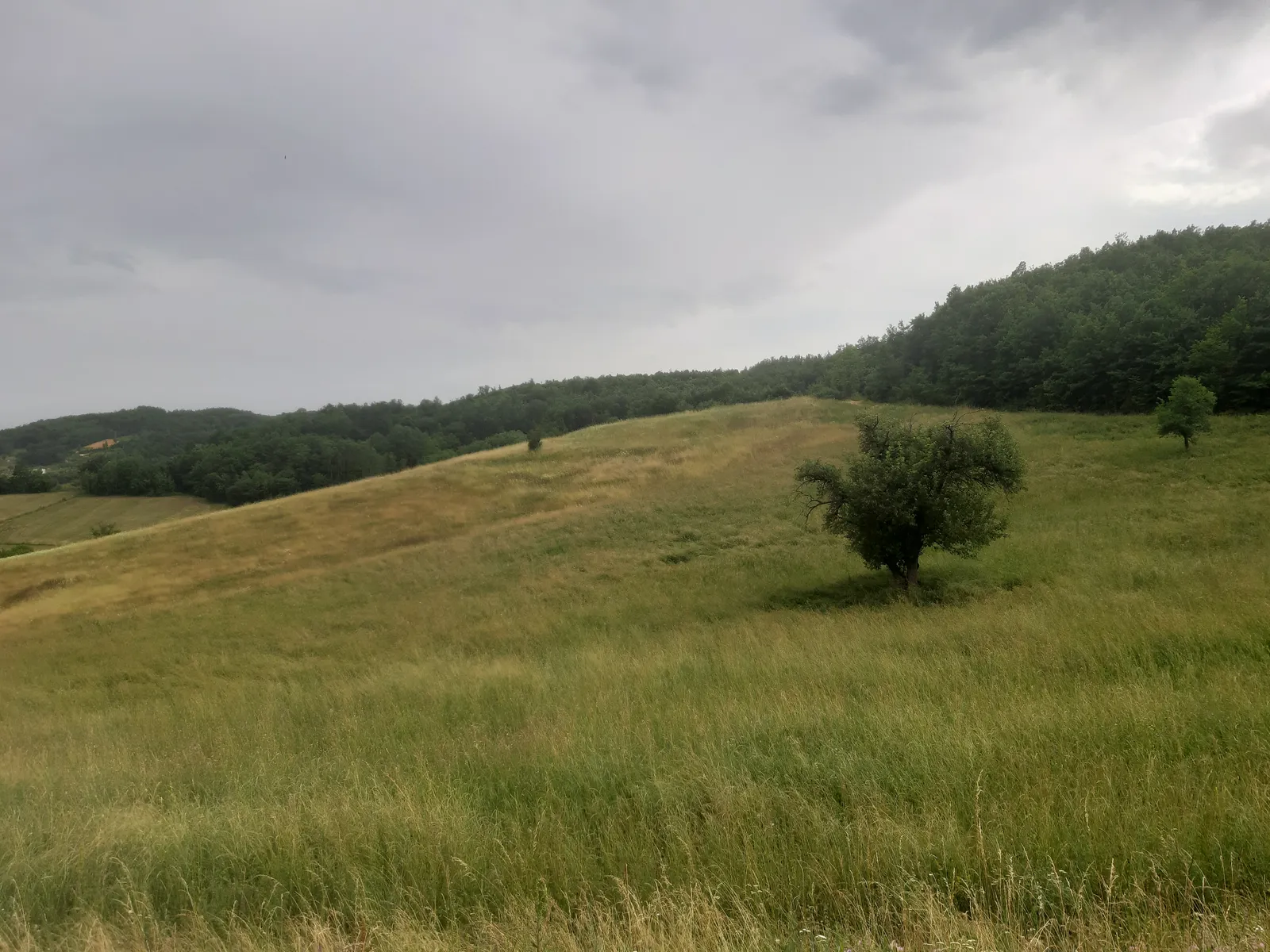
The land lifts into working villages strung across the hills toward Pešter — stone houses, watermills, orchards and family farms.

40 kmsouthwest · 1,150 m up
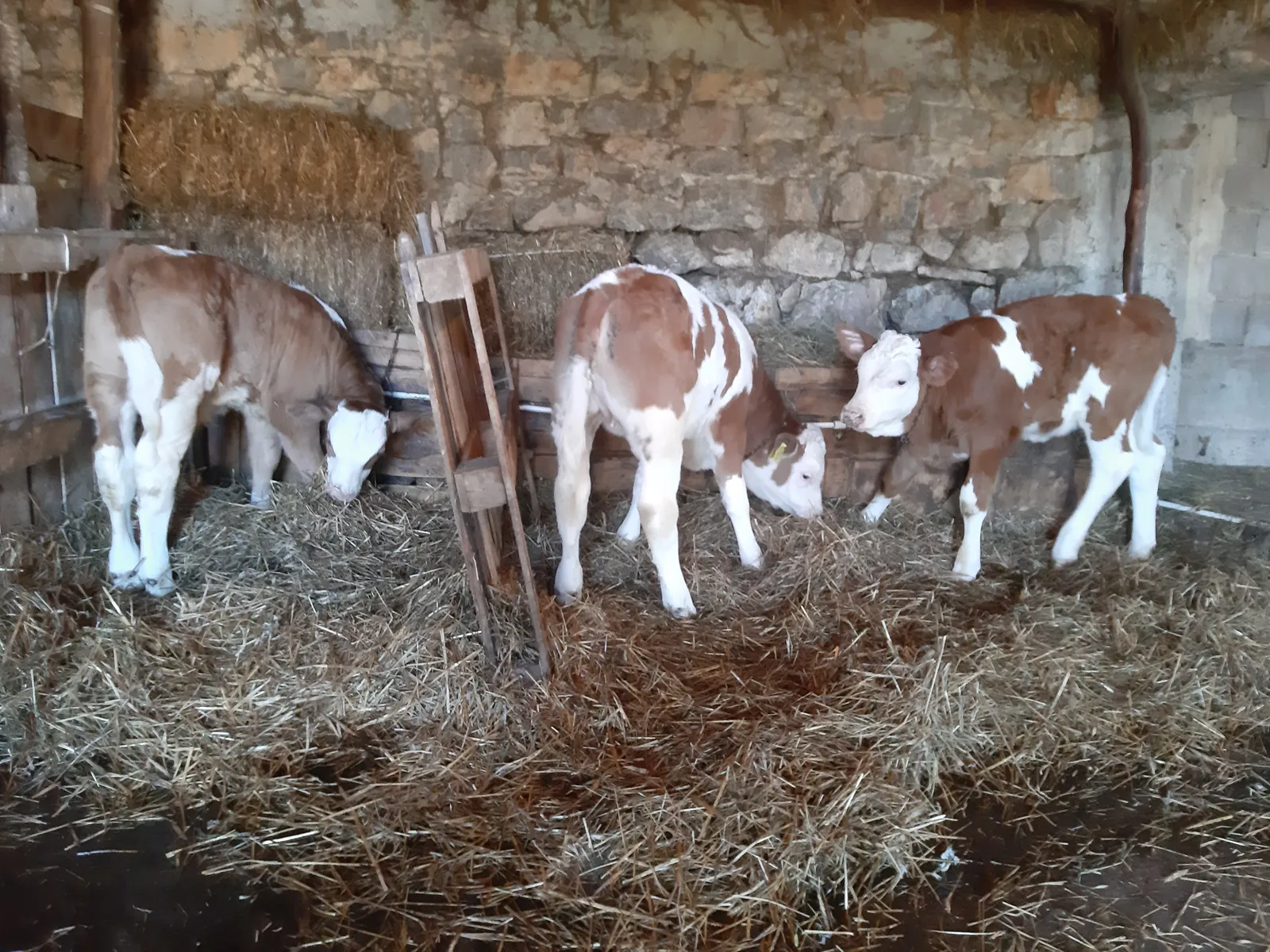
Dairy country on the highlands
Village life
Highland farm life
Rural Sandžak
Dairy country

Cheese, silence, an enormous sky

Pešter's sjenički sir and highland kajmak are the region's quiet pride — taste them at the source.

The villages

Working, not performing

These are living farms, not folk museums. Arrange a visit and you'll be fed like family.

The plateau

Europe's southernmost tundra

In winter, Pešter records the coldest temperatures in Serbia; in summer it's one endless pasture.

Ribariće and the lake
06 — The Water

Ribariće & the lake

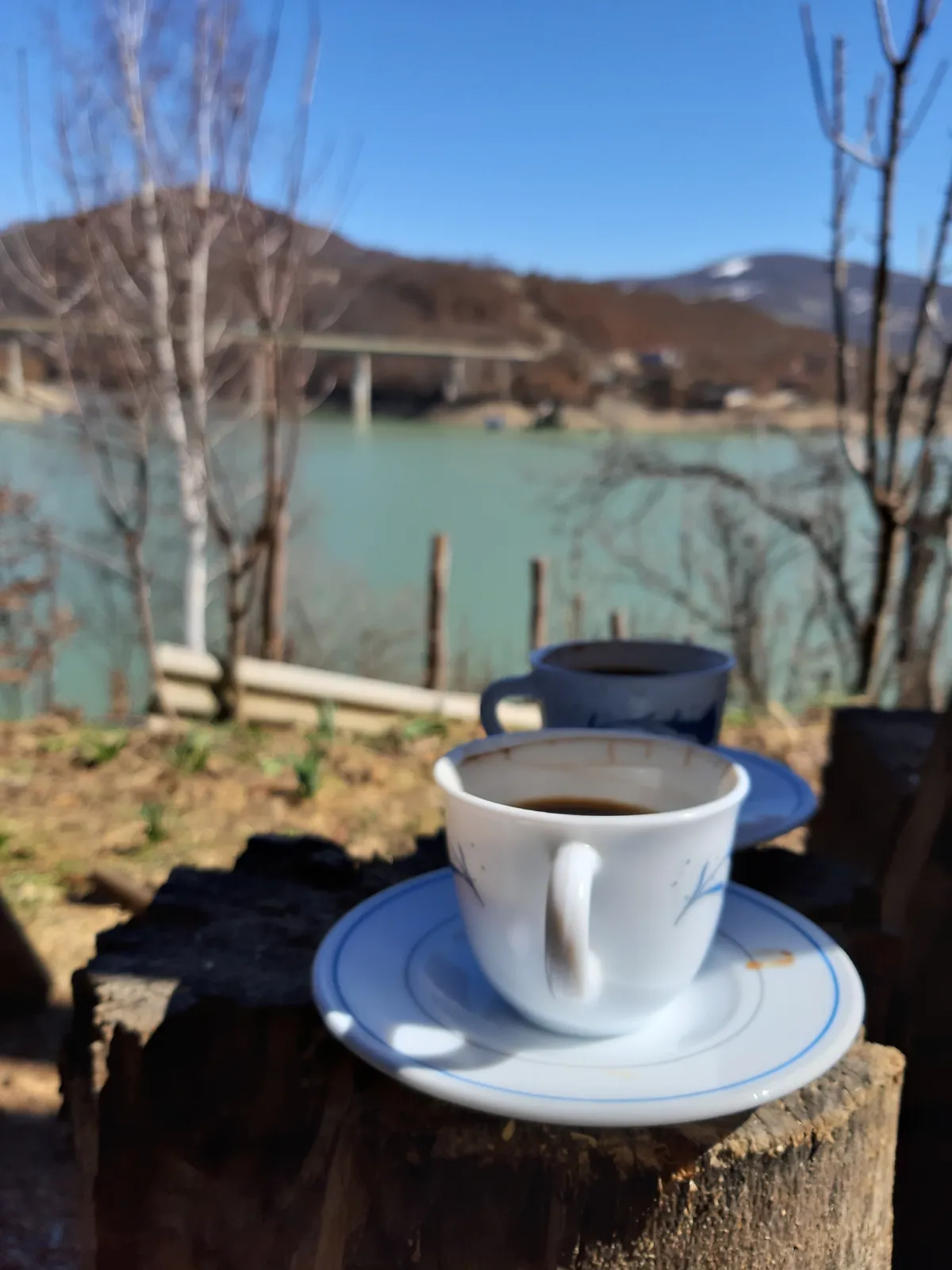
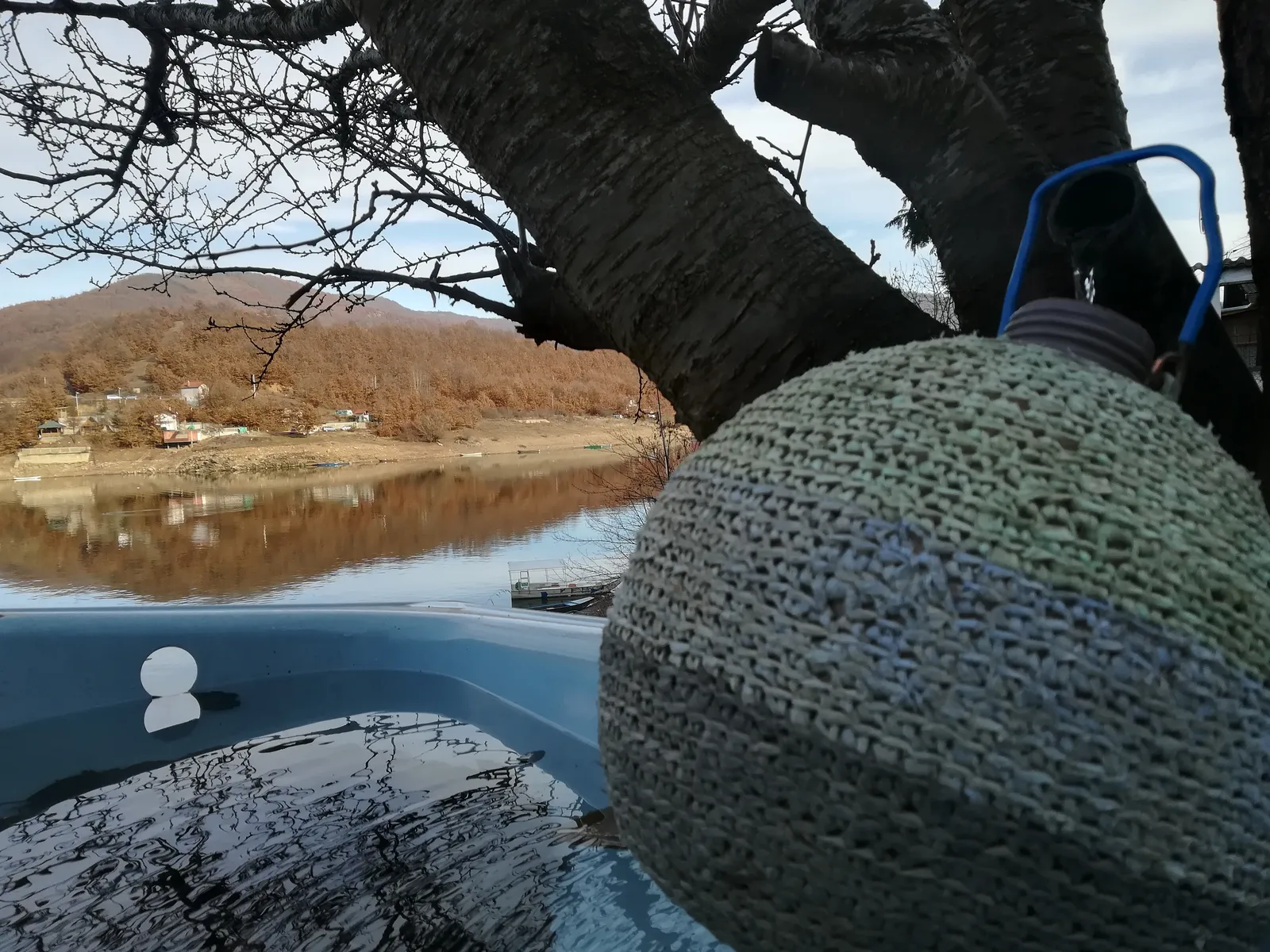
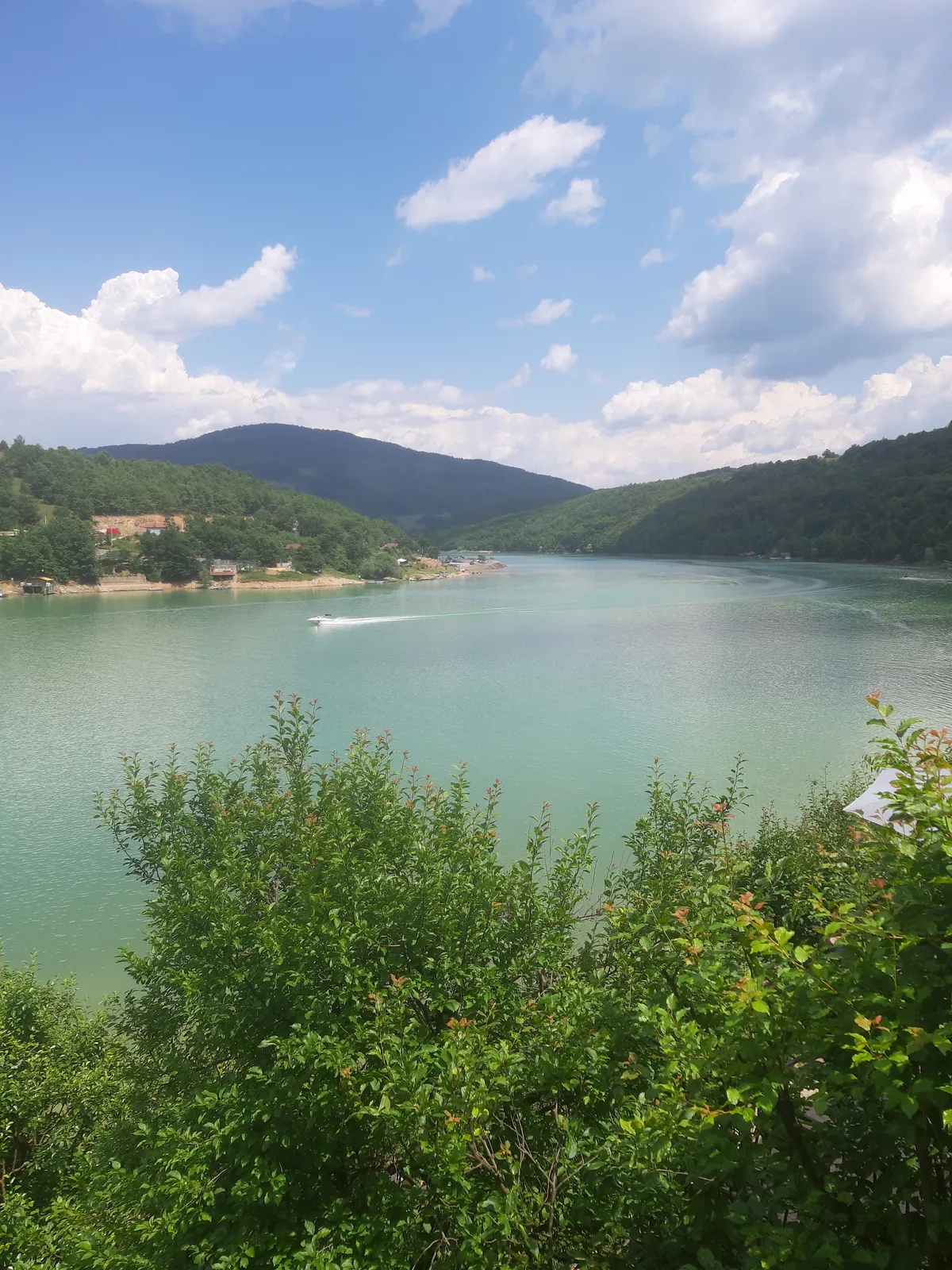
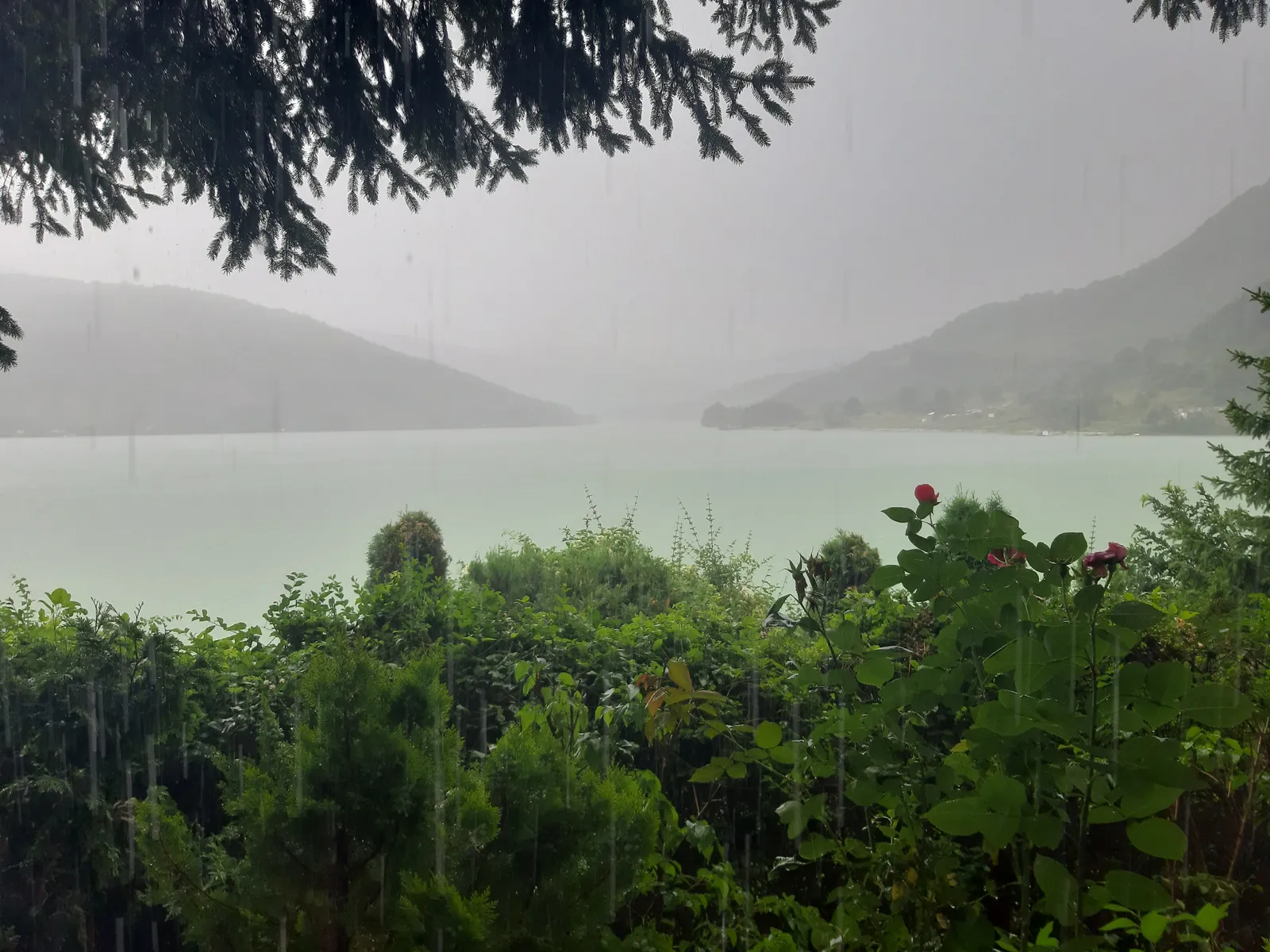
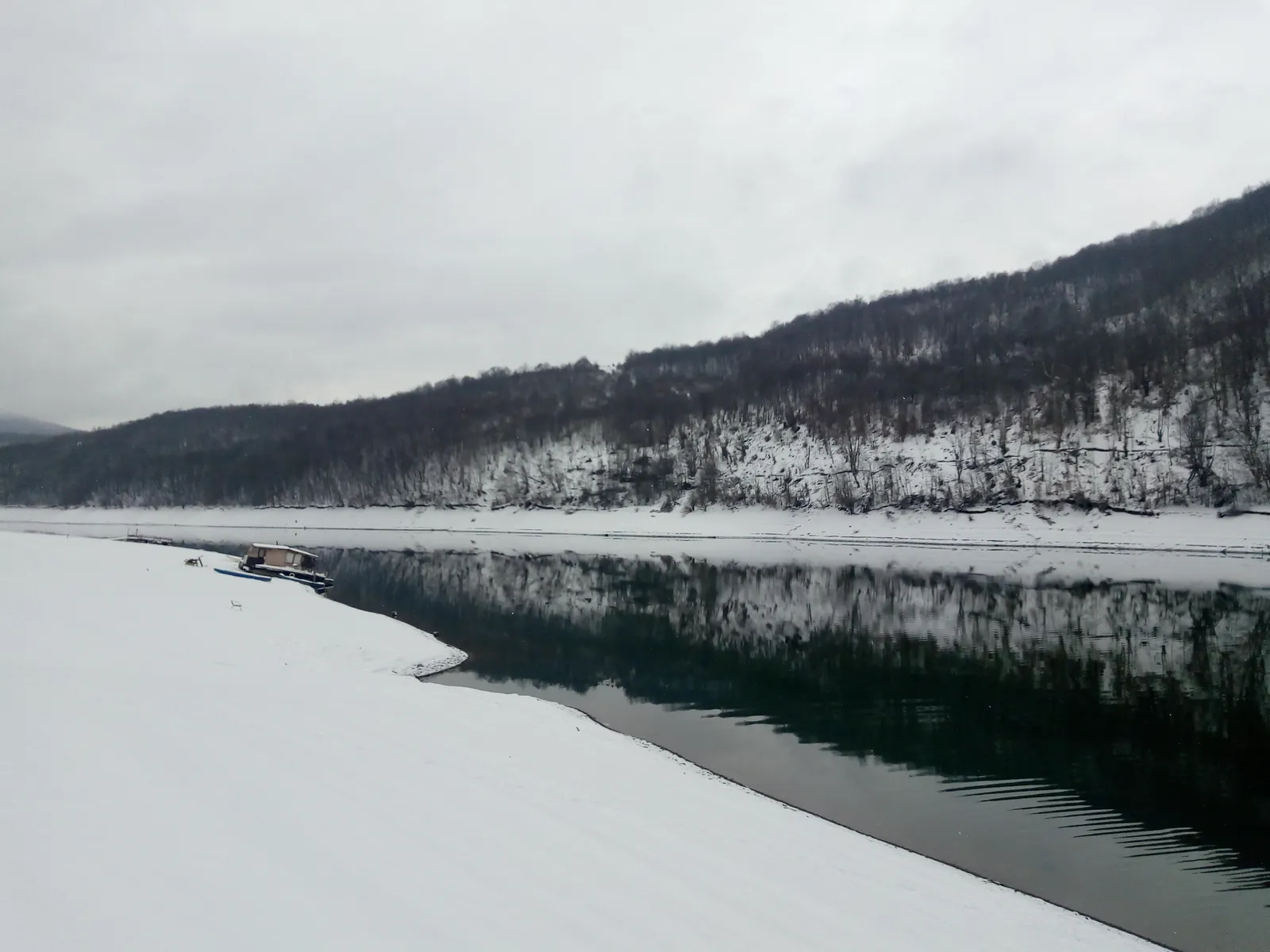
An hour south, the emerald reservoir at Ribariće winds between forested banks under the Rogozna hills.

60 kmsouth · one hour
Emerald water at Ribariće
The reservoir under the hills
The lake

An hour from the bazaar, the water turns emerald

Gazivode's upper arm at Ribariće is the region's summer room — swim, fish, or just sit.

Under Rogozna

Forested banks, winding road

The drive itself is the attraction: the road threads the gorge the whole way down.

Golija and the forests
07 — Wild Nature

Golija & the forests

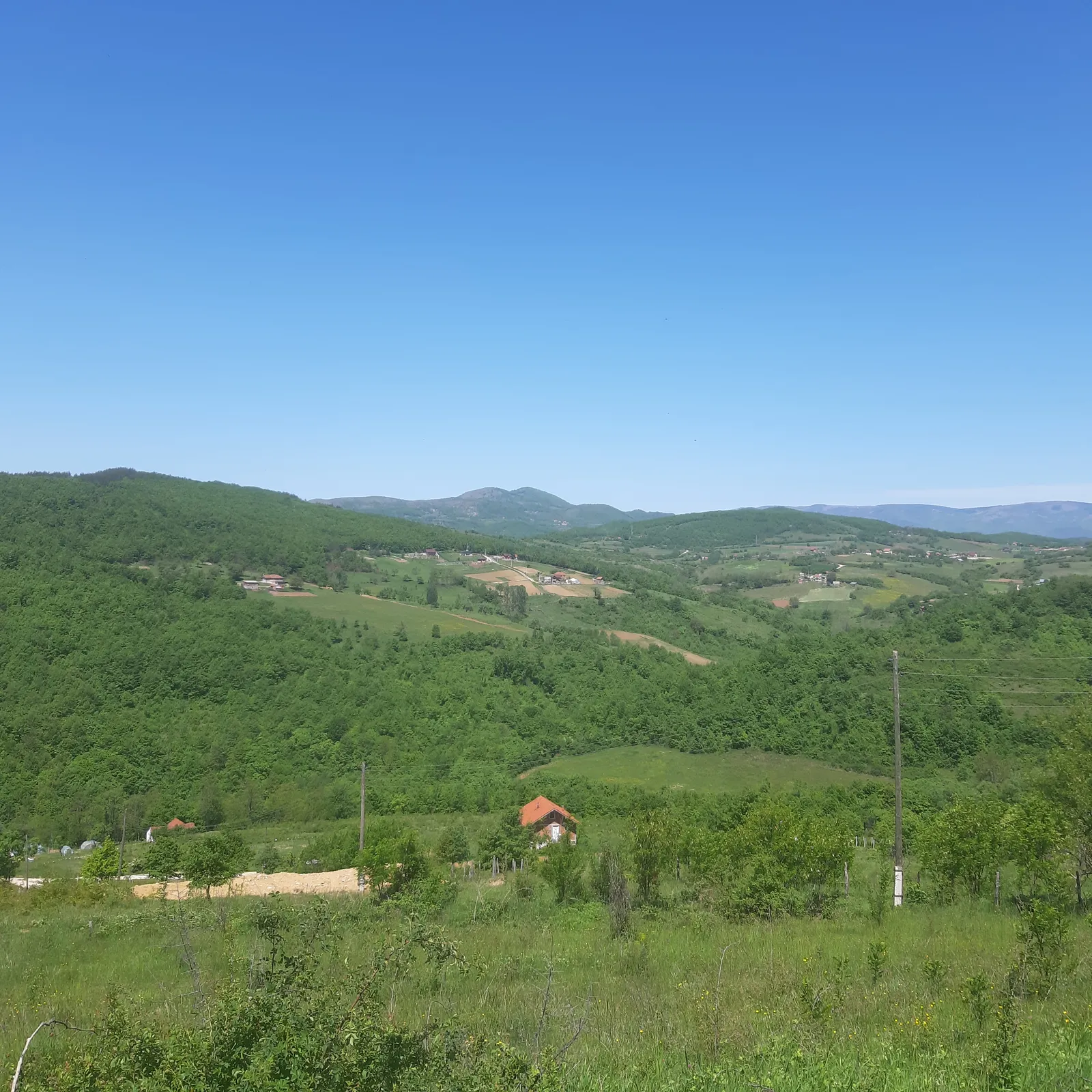
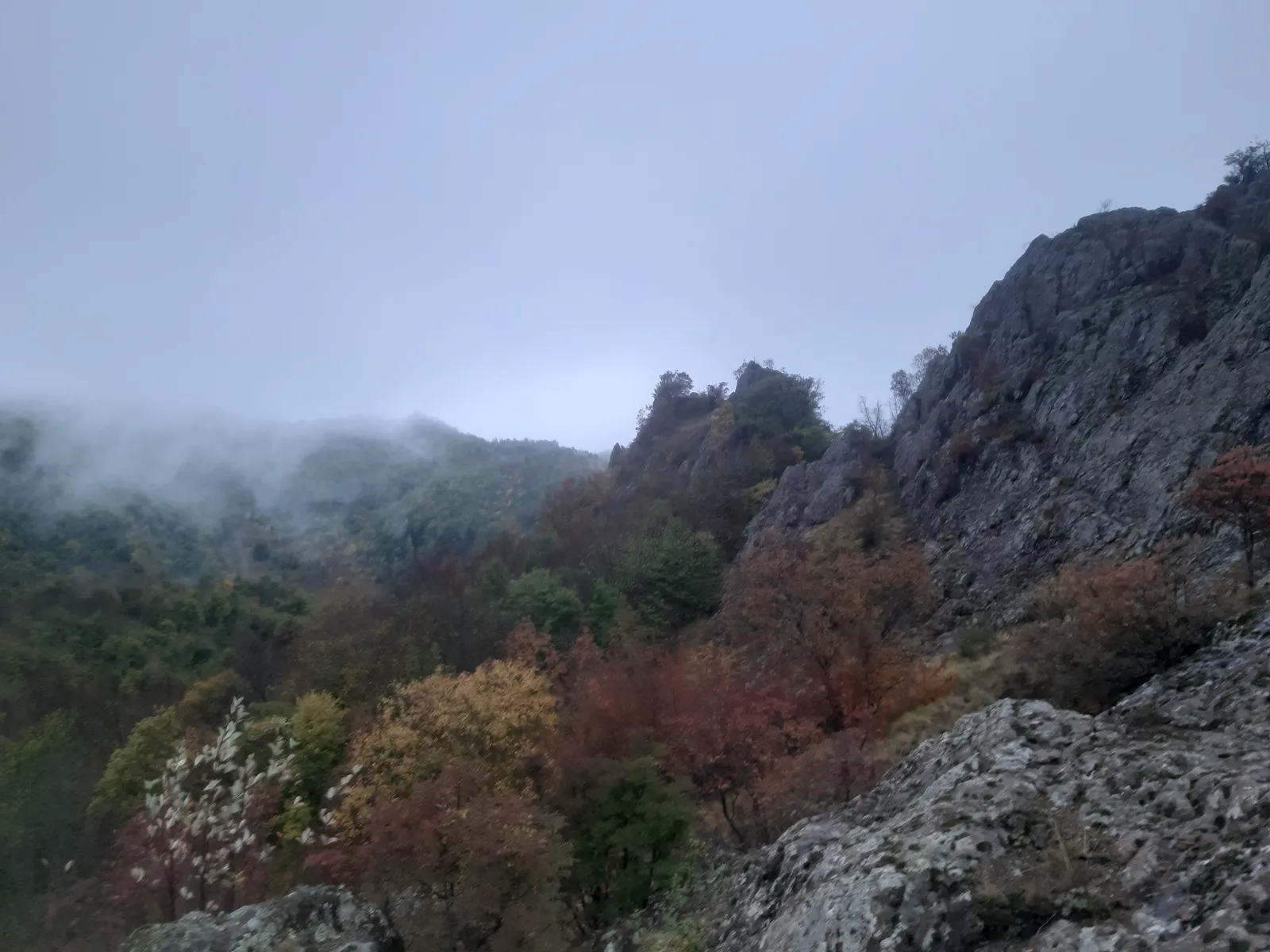
North rises Golija, a horseshoe of old forest and the first UNESCO biosphere reserve in Serbia.

32 kmnorth · biosphere reserve
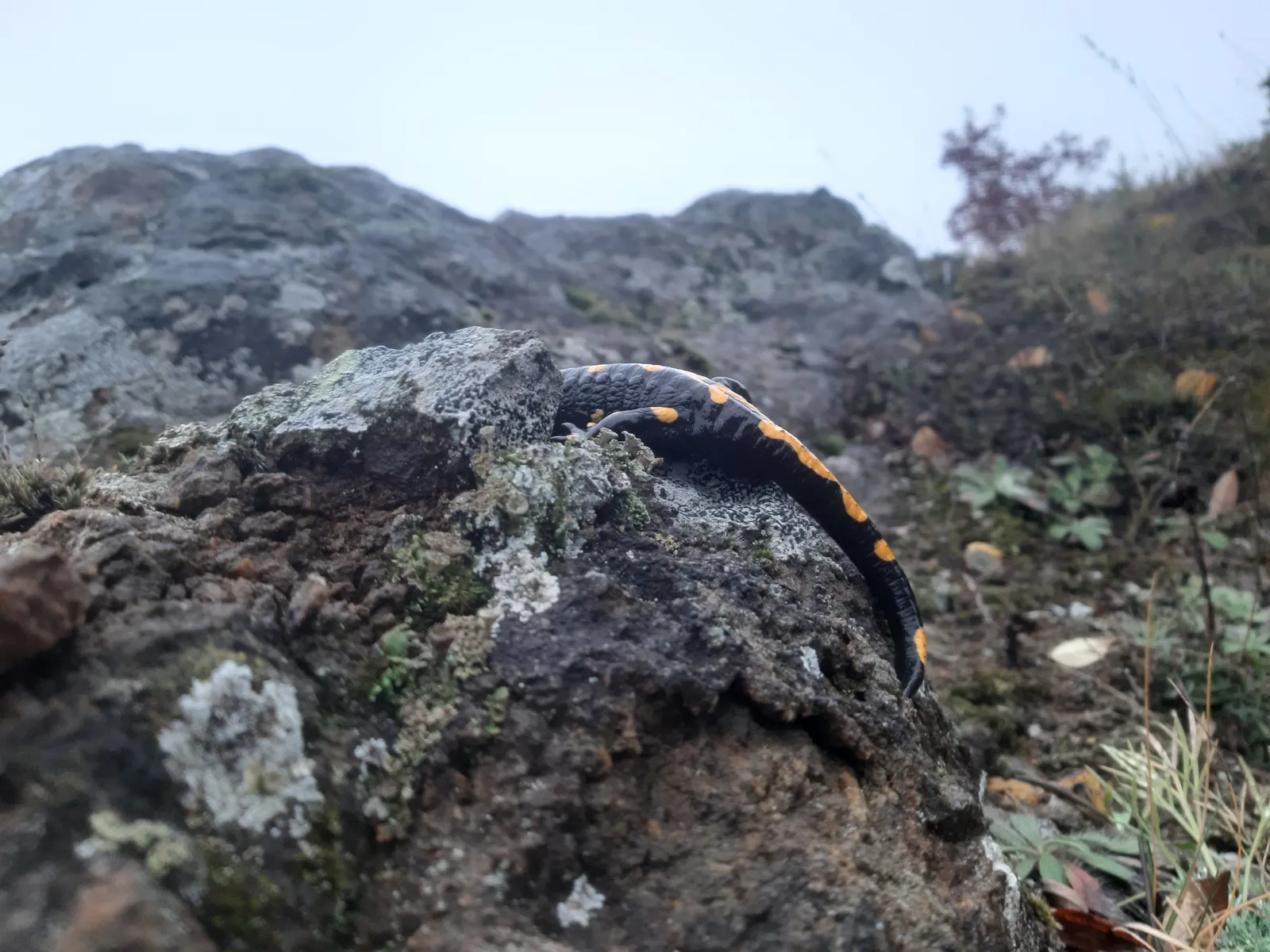
Mountain forest on Golija
Highland nature
Old-growth woodland
Mountain wilderness
The wild country
Golija

The reserve begins where the road ends

Serbia's first UNESCO biosphere reserve — old beech and fir, and air that smells like altitude.

Old growth

Forest with a memory

Some stands here are among the best-preserved broadleaf forests left in the Balkans.

Go quietly

The vast quiet

Trails, springs, karst caves — take a local guide and the mountain opens up.

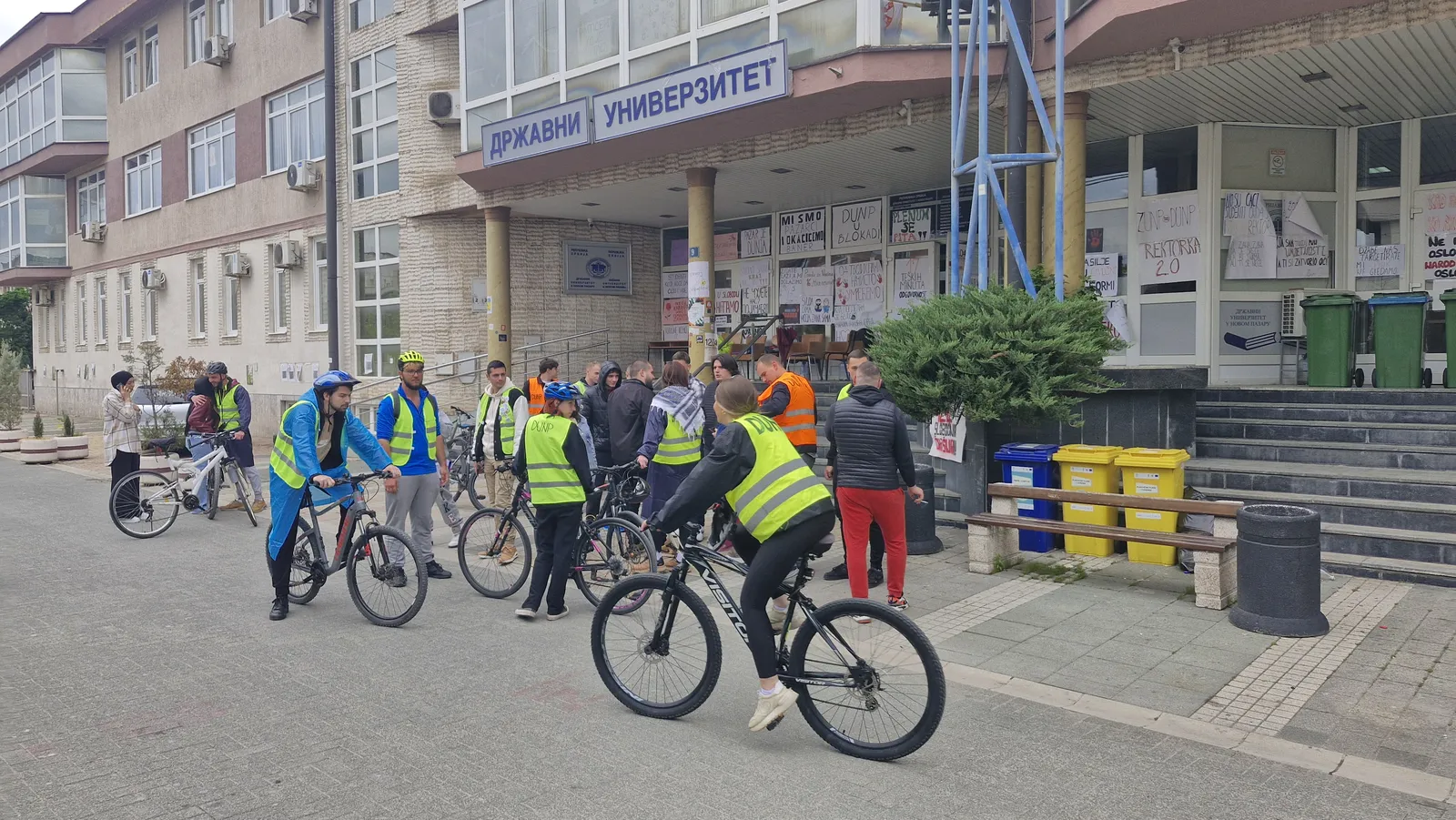
Students on bikes outside the university, Novi Pazar
08 — Making & Youth

Studios, students & art

One of Europe's youngest populations — student squares, cafés, and studios where art is being made right now.

right nowthe next chapter